Resources

Videos

Video poster

Quality Control

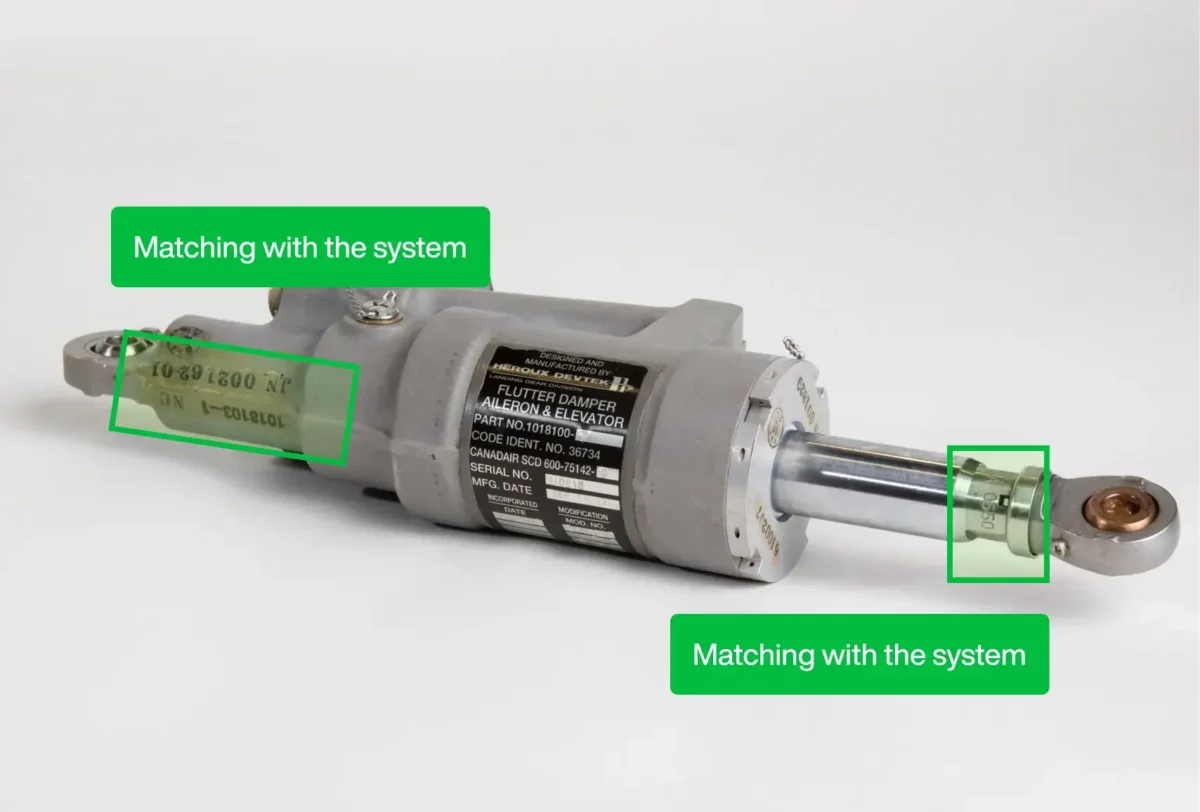
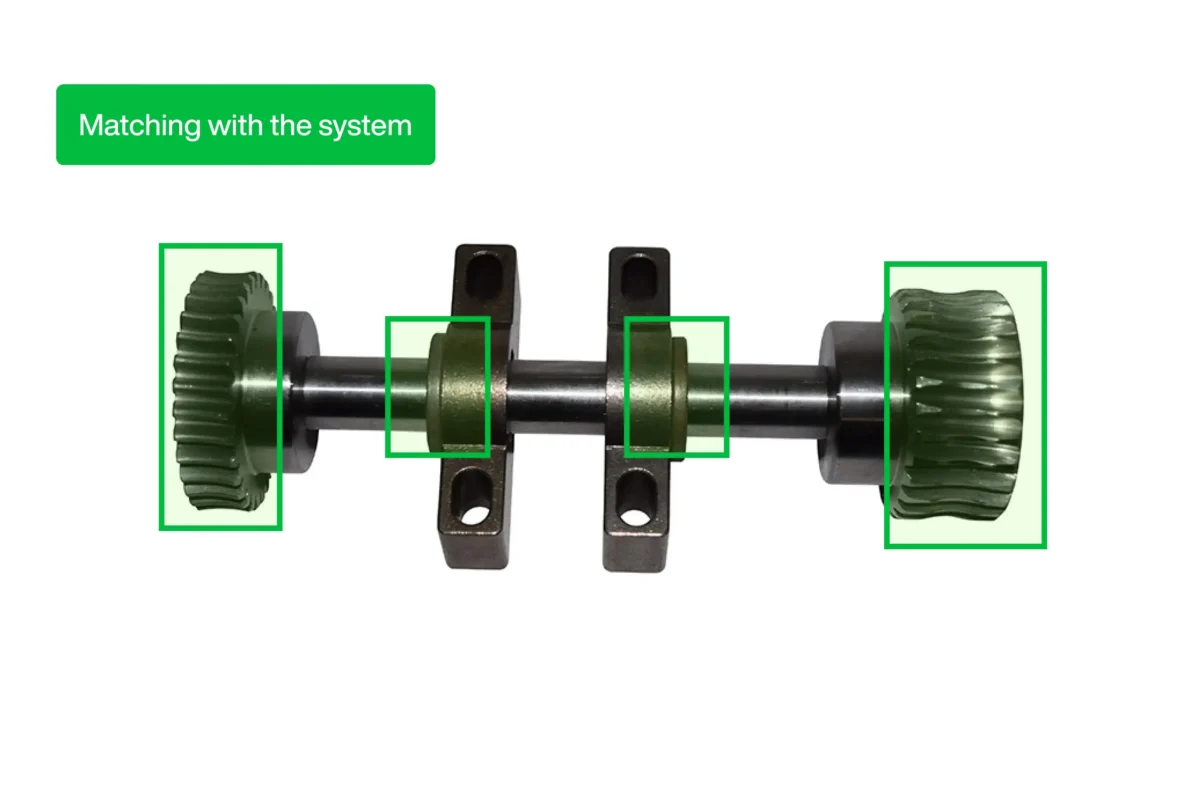
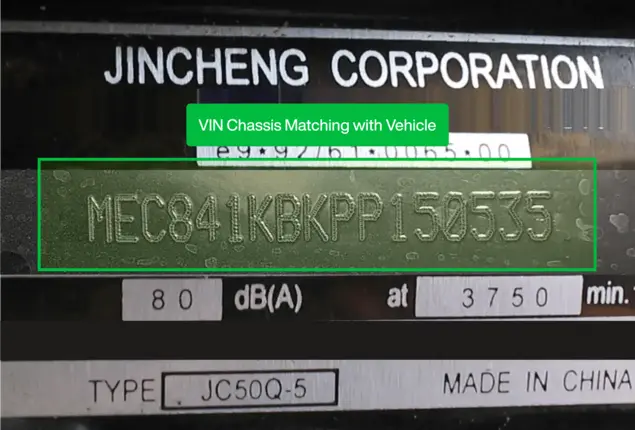
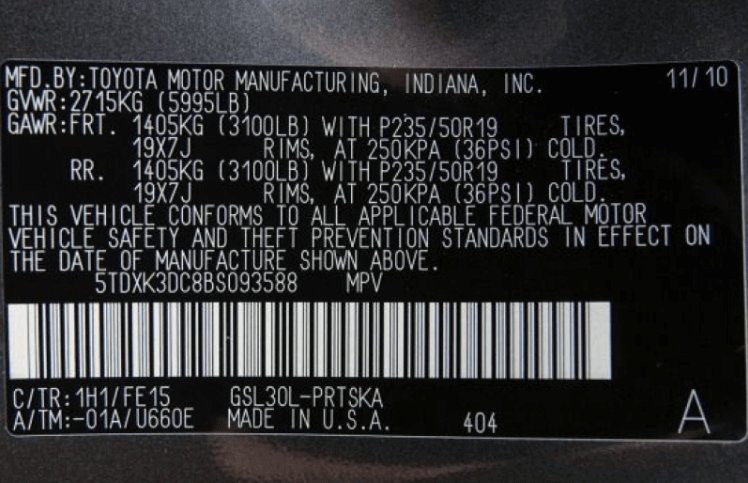
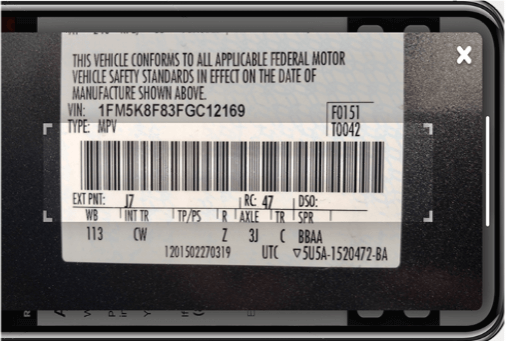
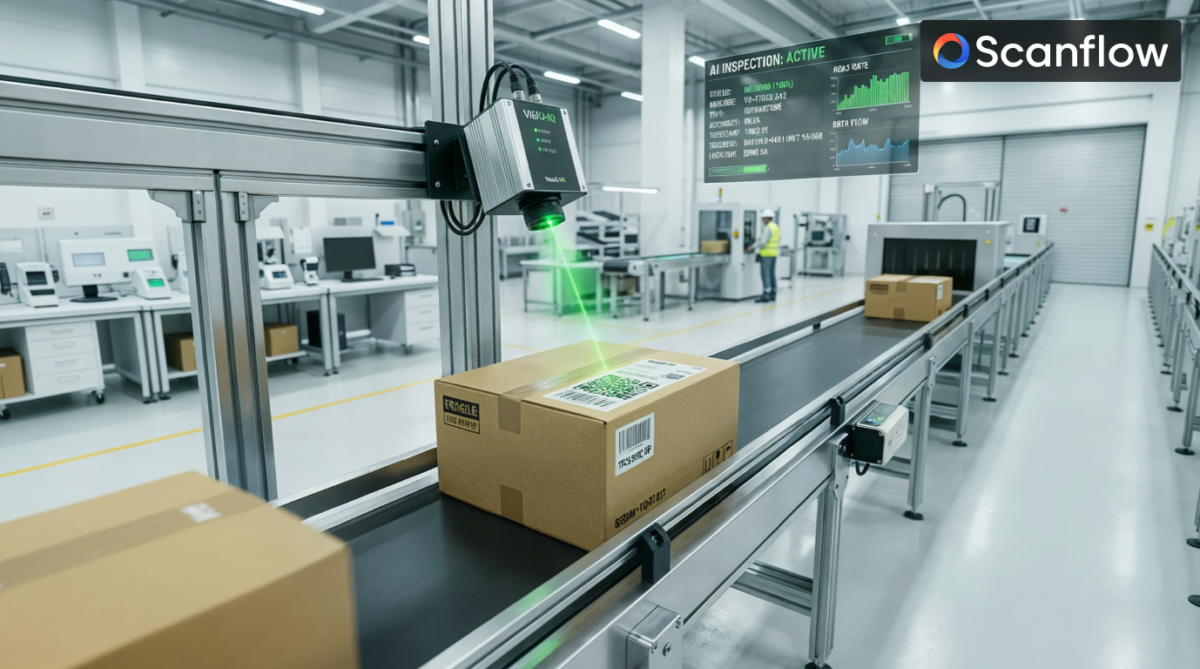
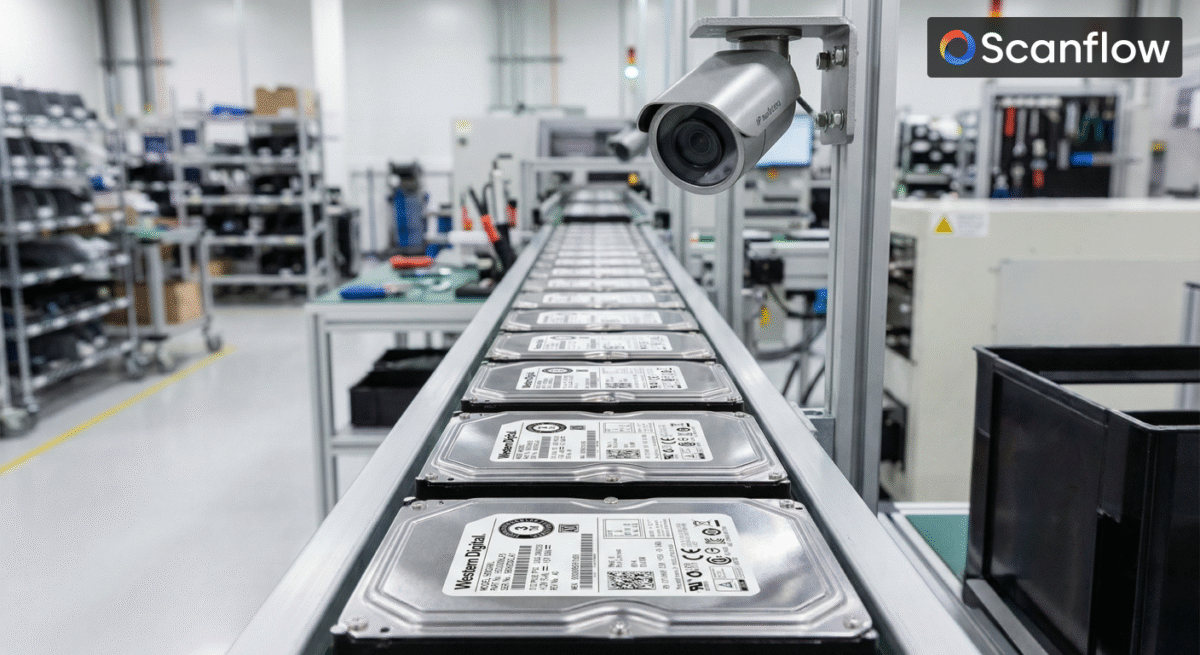
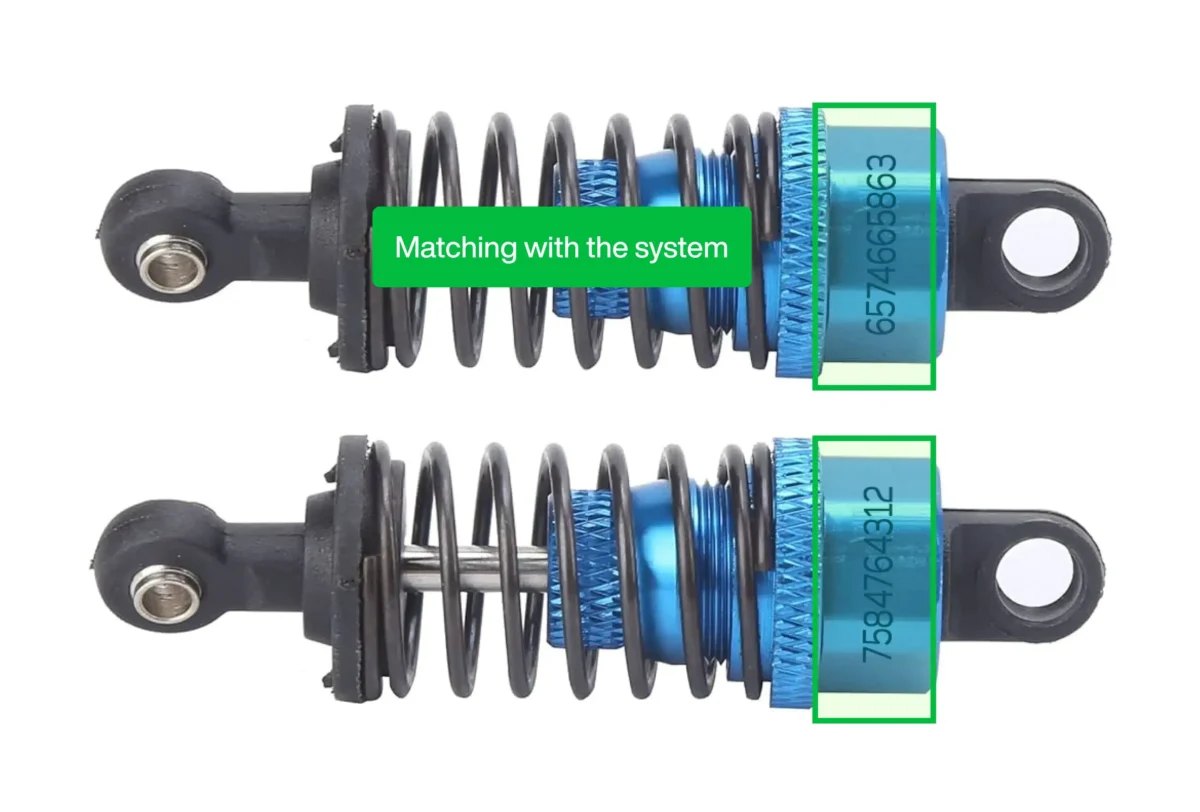
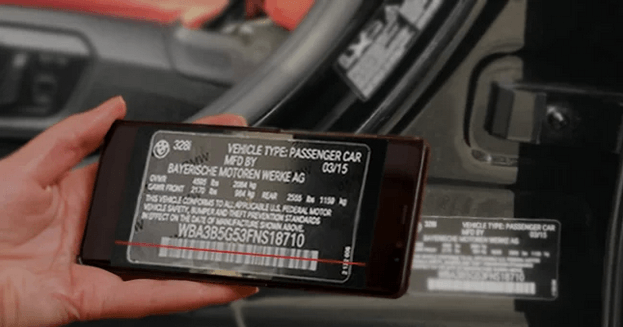
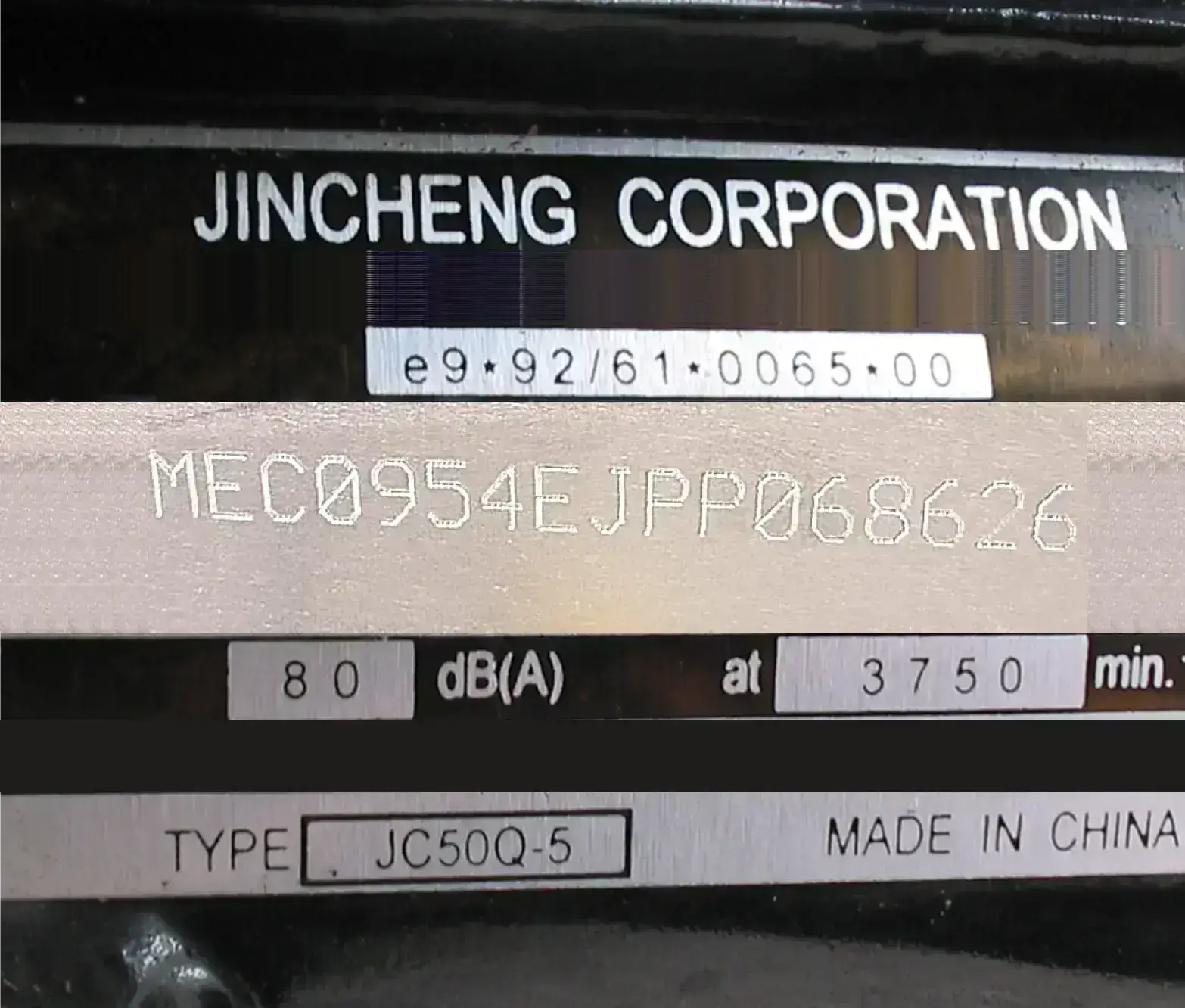
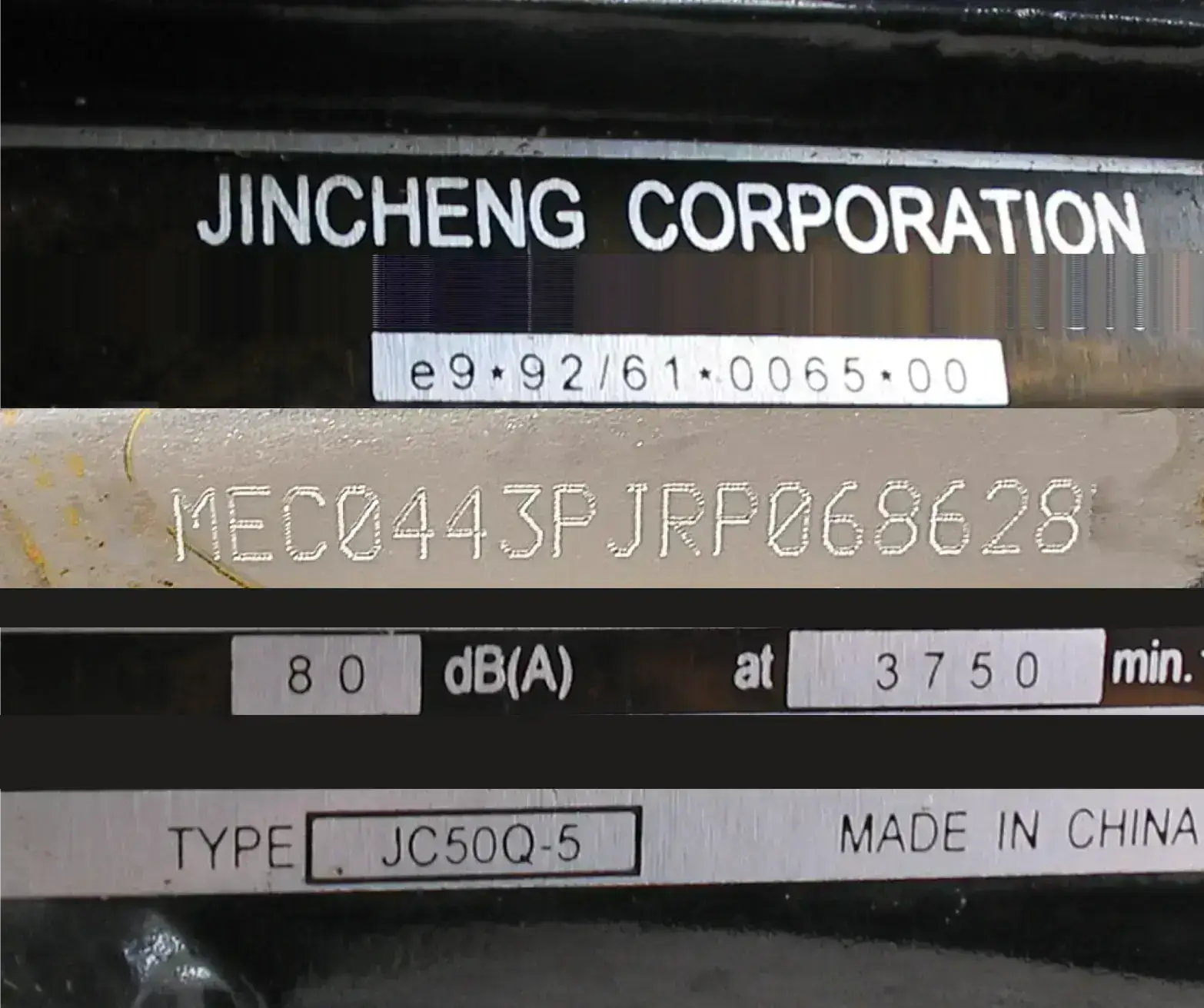
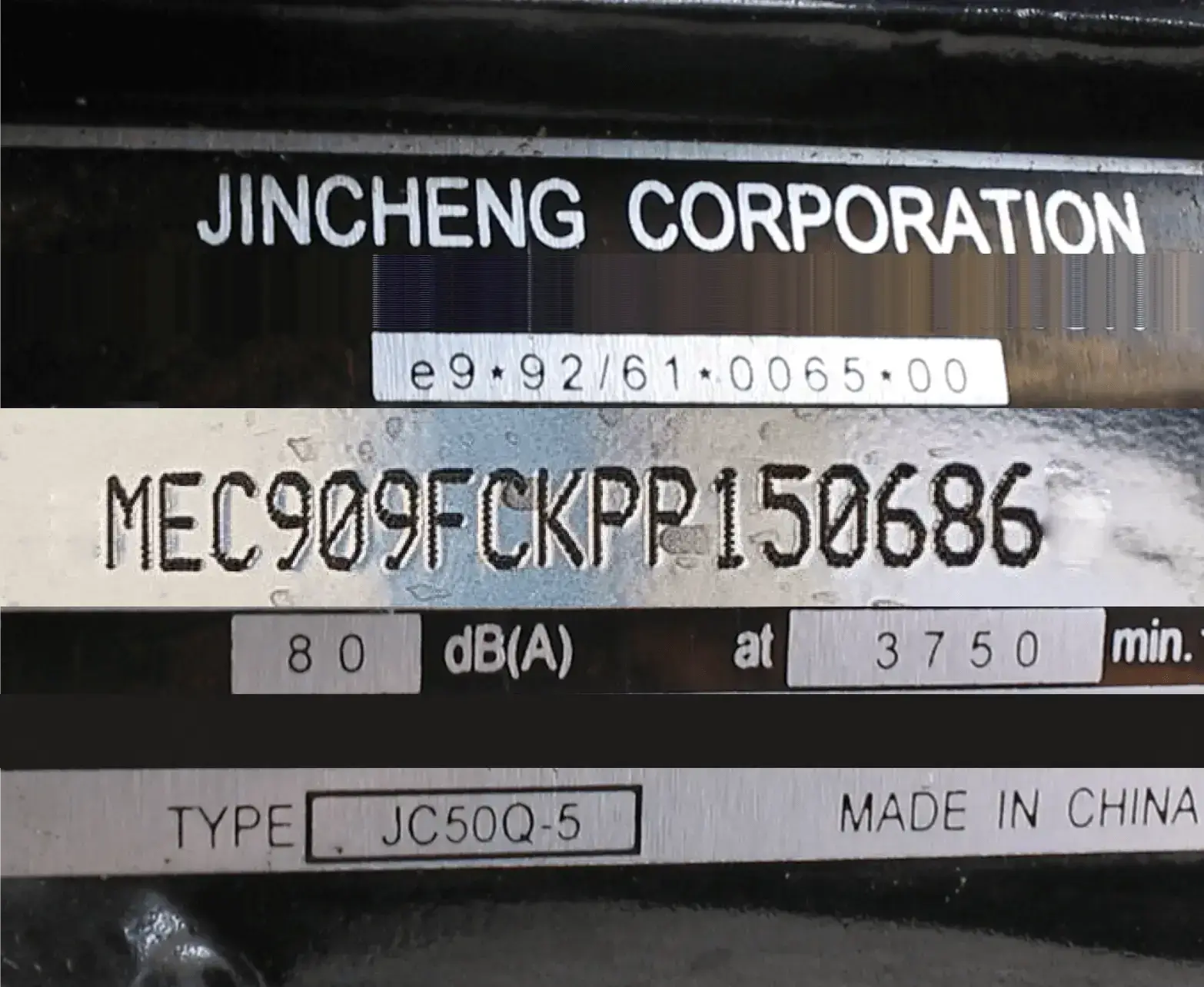
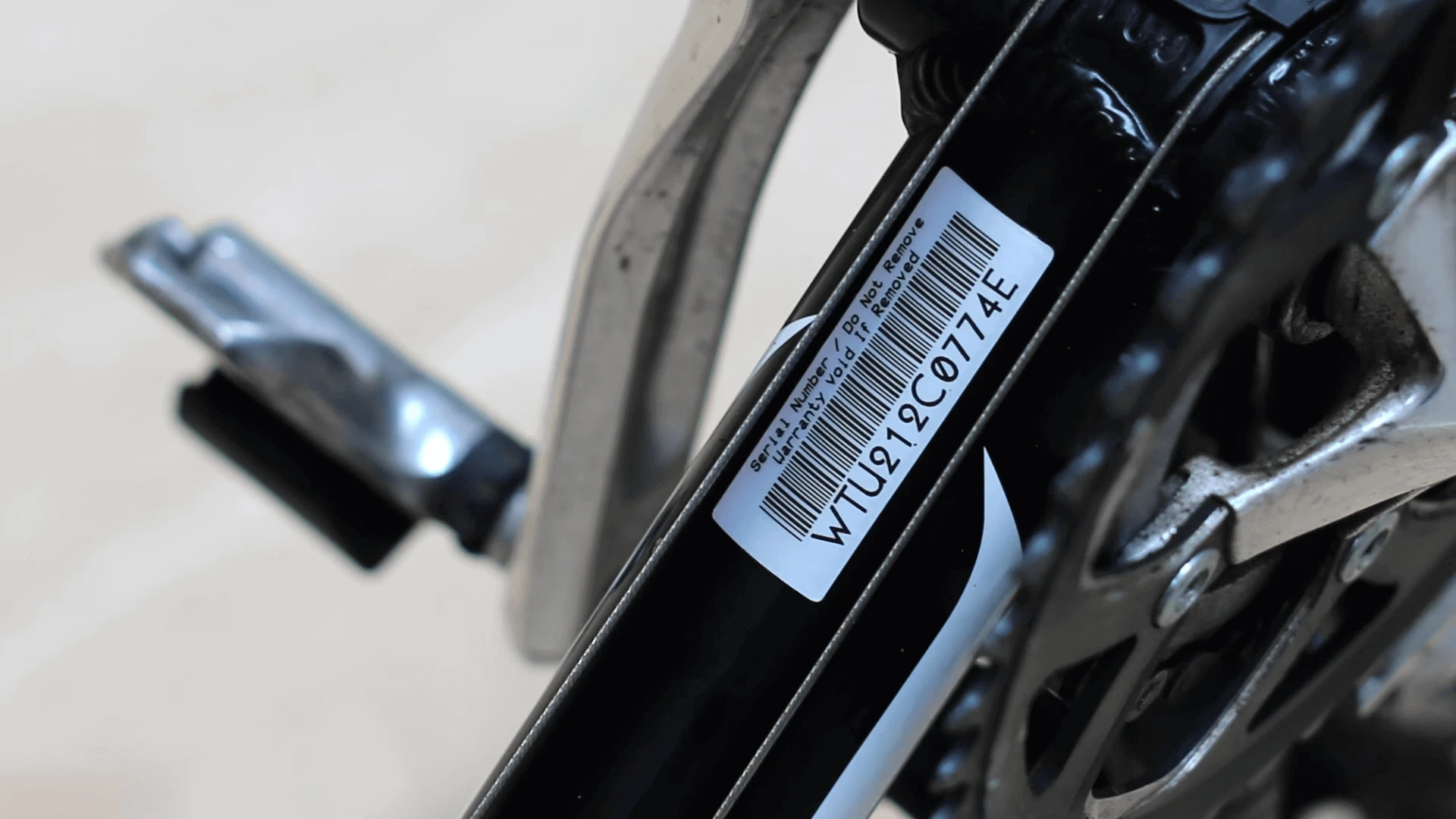
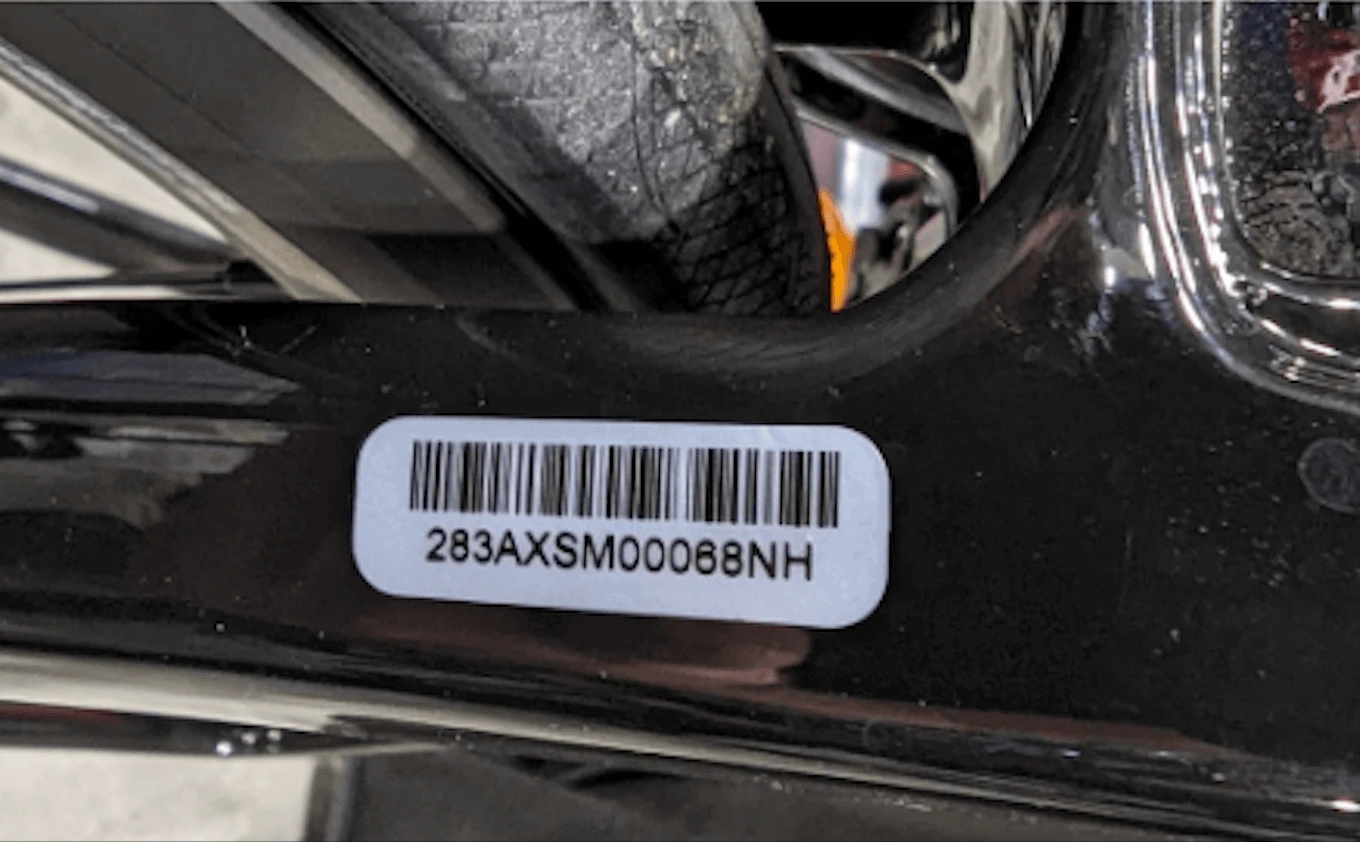
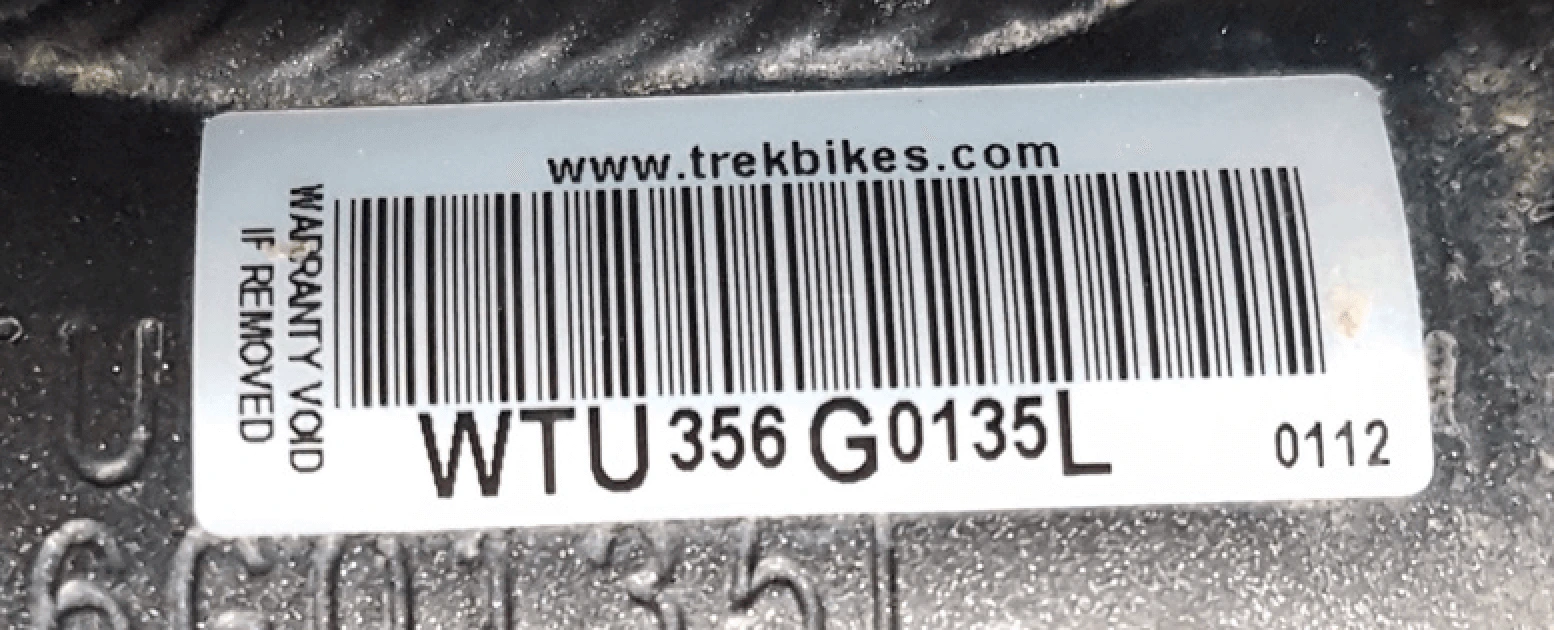
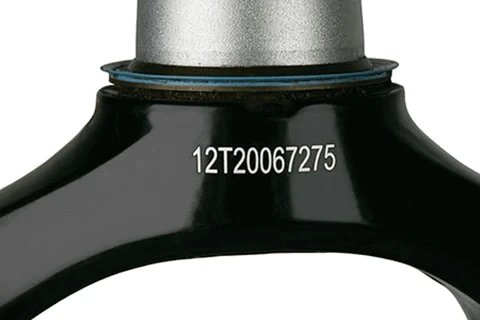
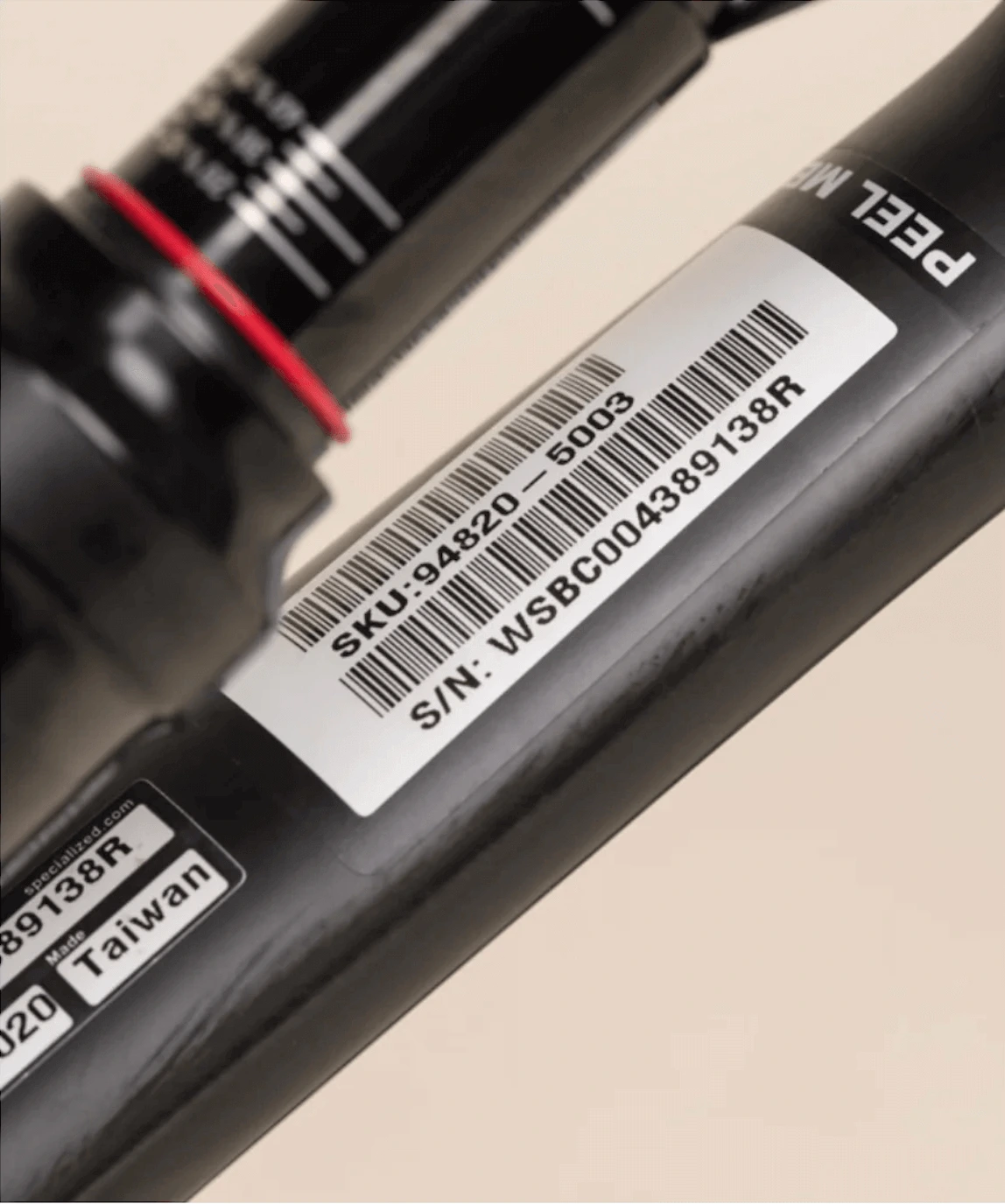
Serial Code Matching – Quality Control
0:20 Mins
Video poster

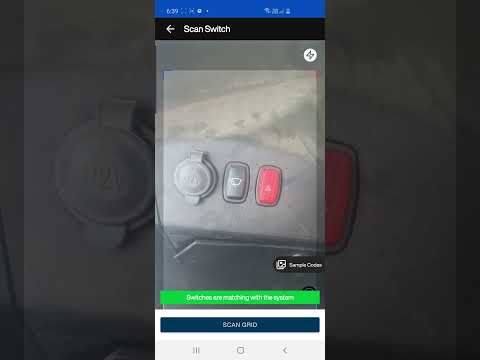
Quality Control

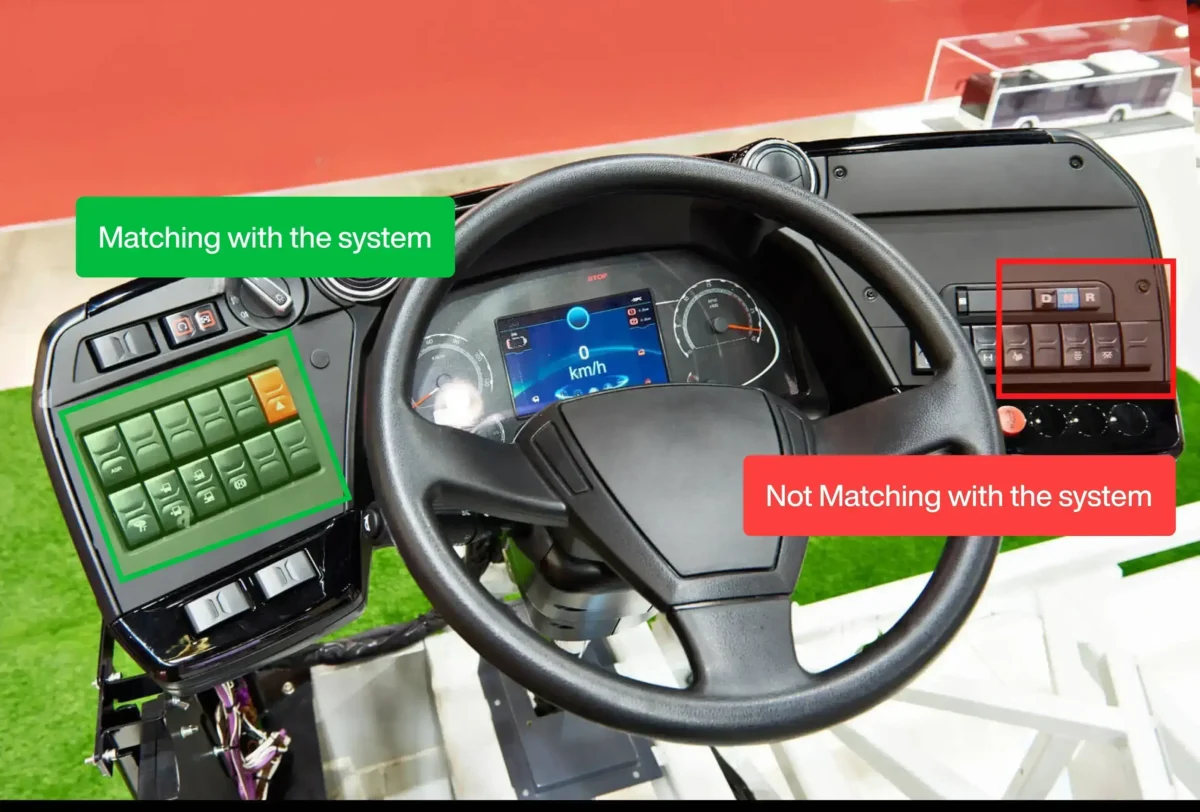
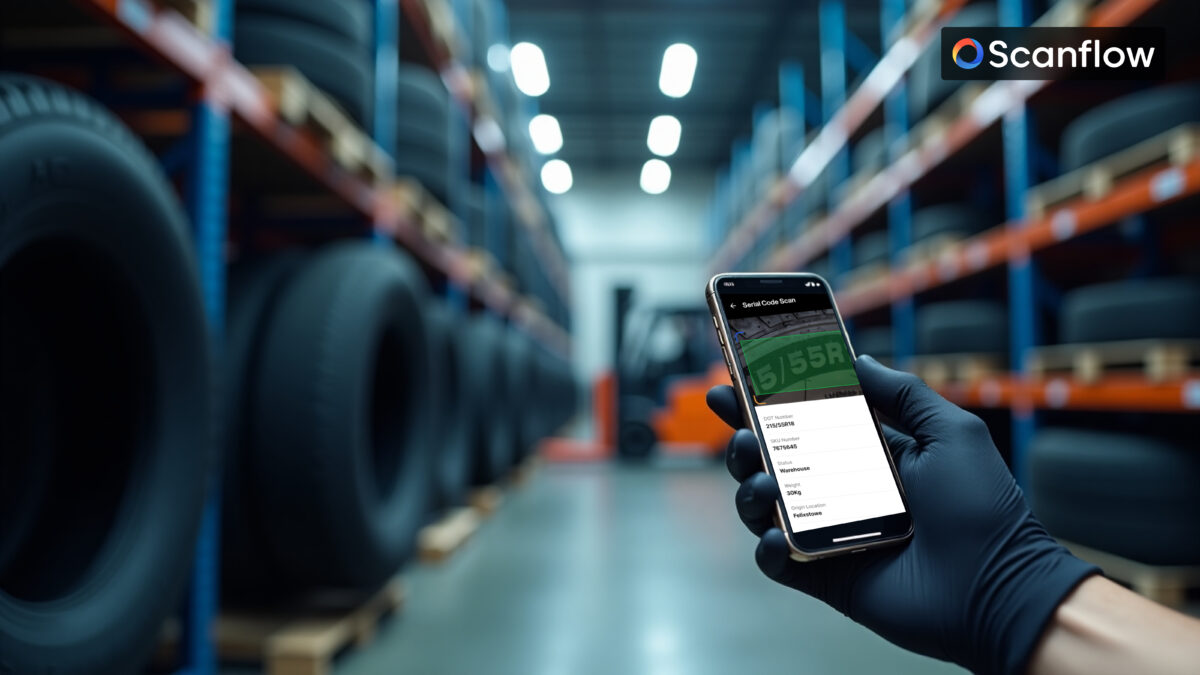
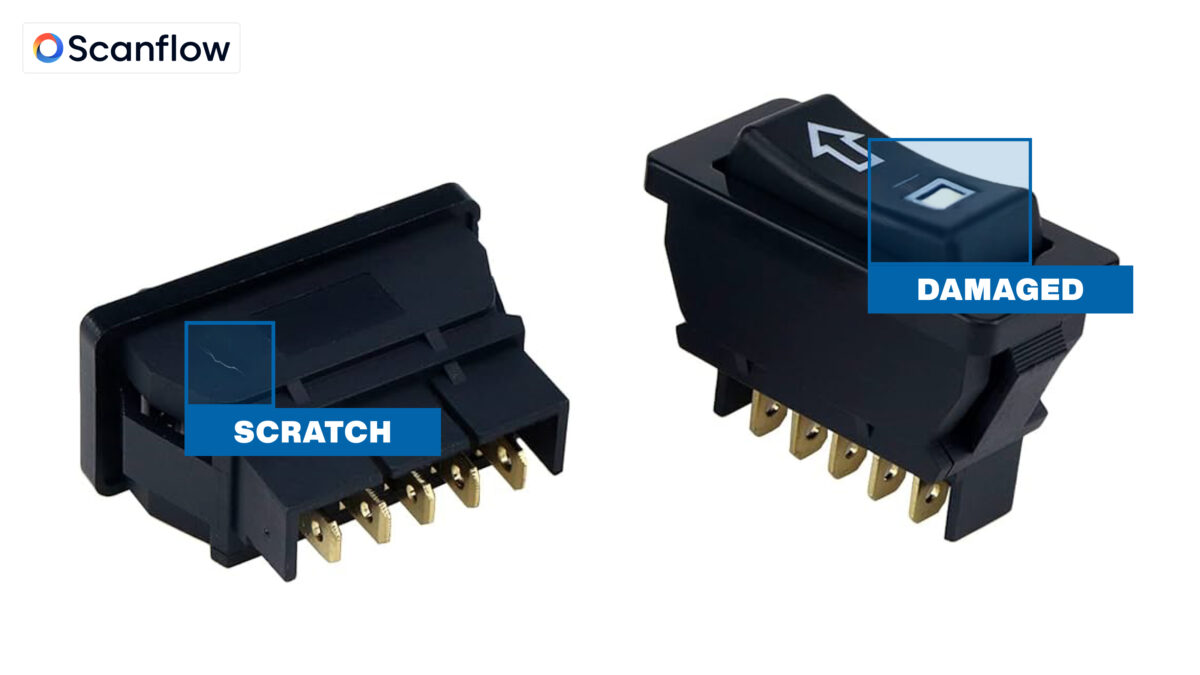
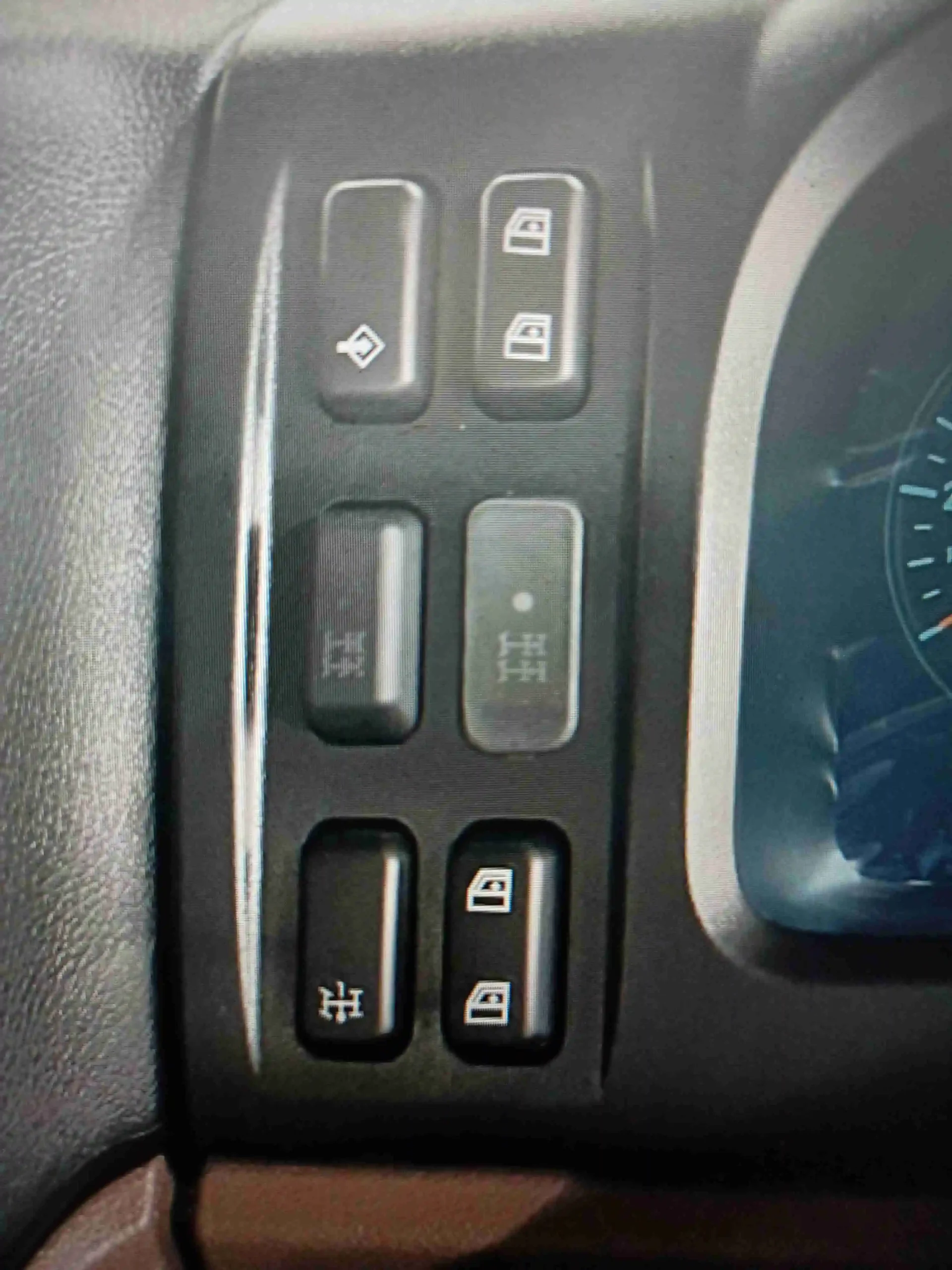
Vehicle Switch Inspection – Quality Control
0:16 Mins
Video poster

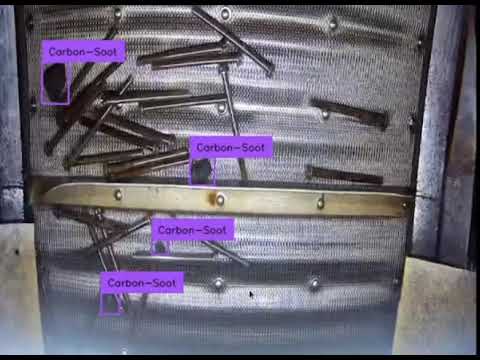
Quality Control

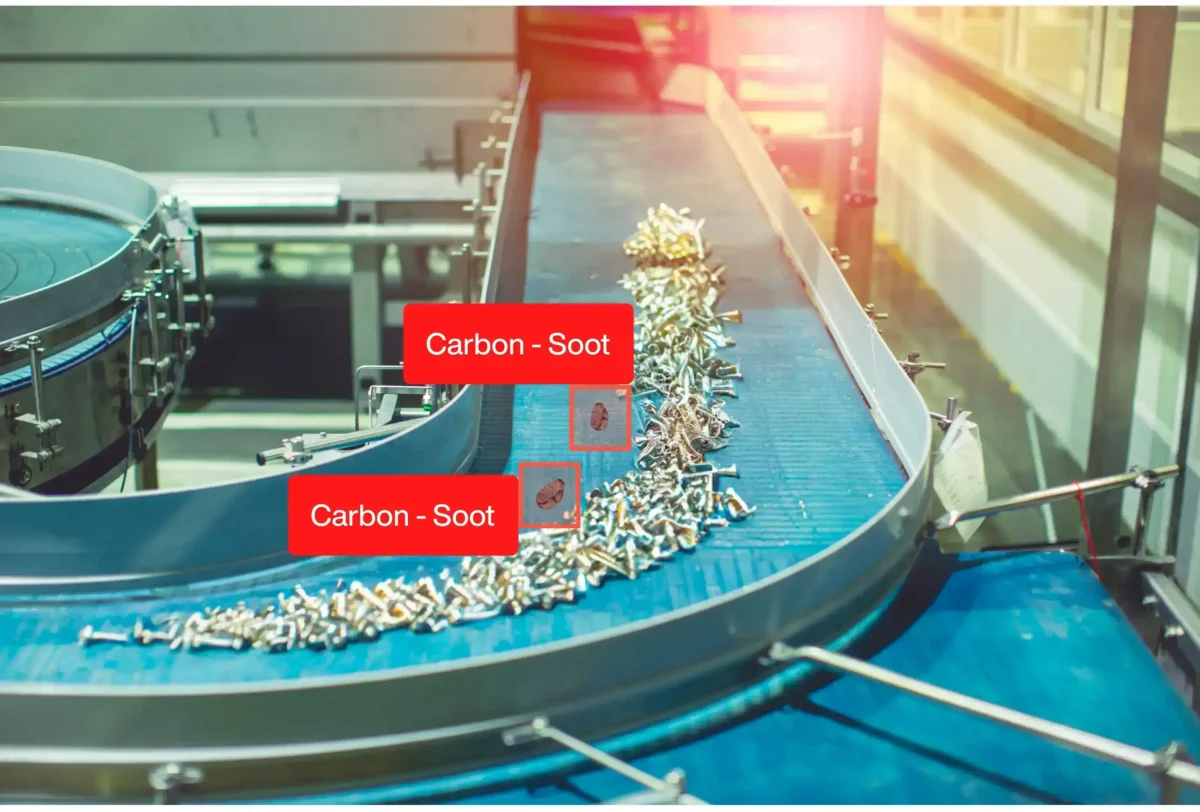
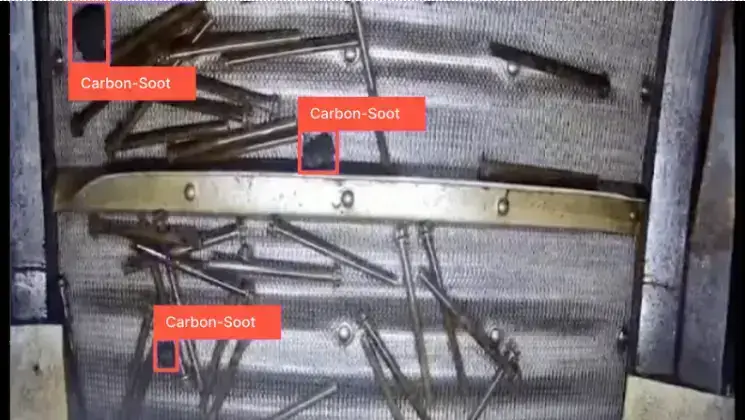
Carbon Soot Detection – Quality Control
2:43 Mins
Video poster

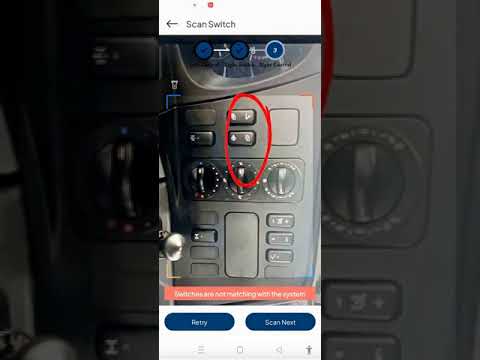
Quality Control

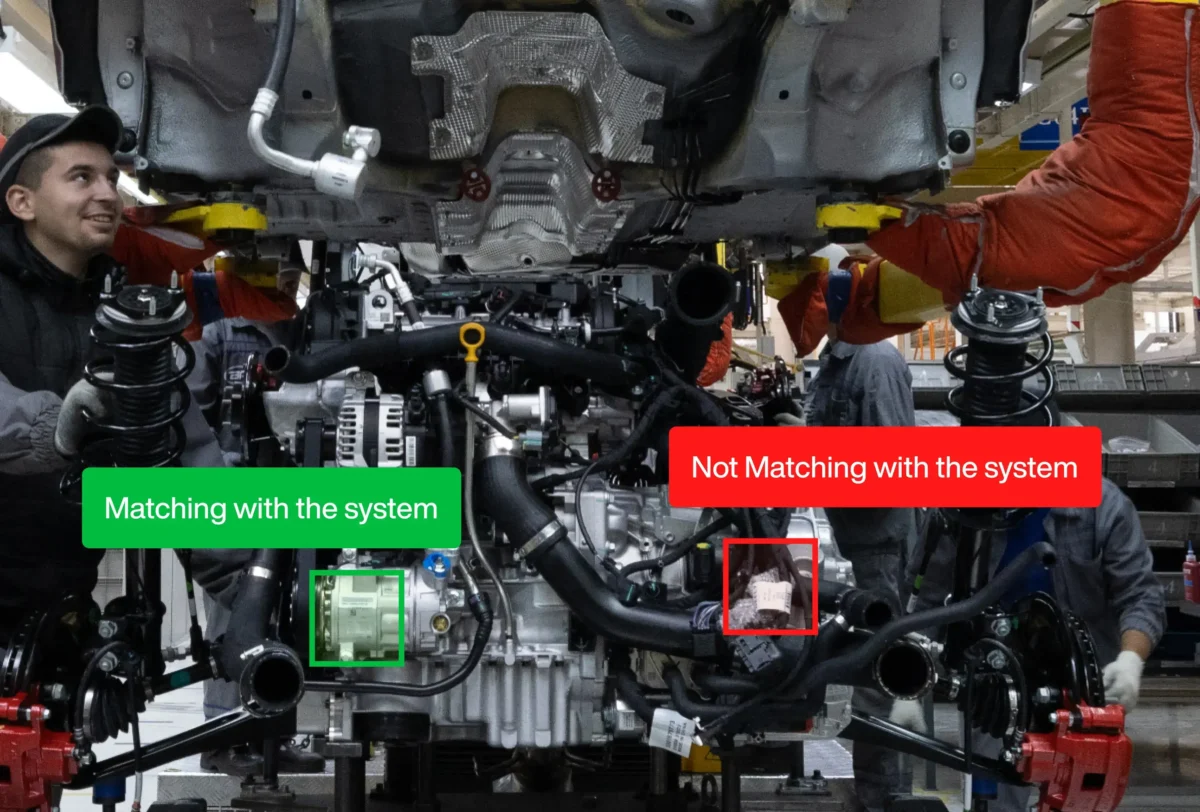
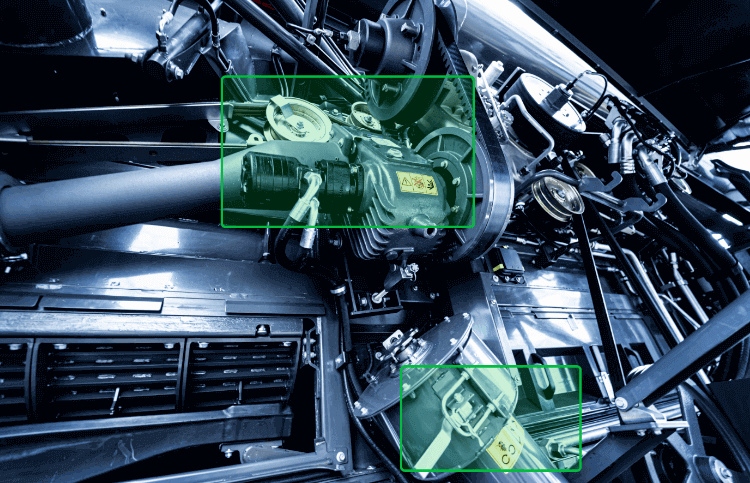
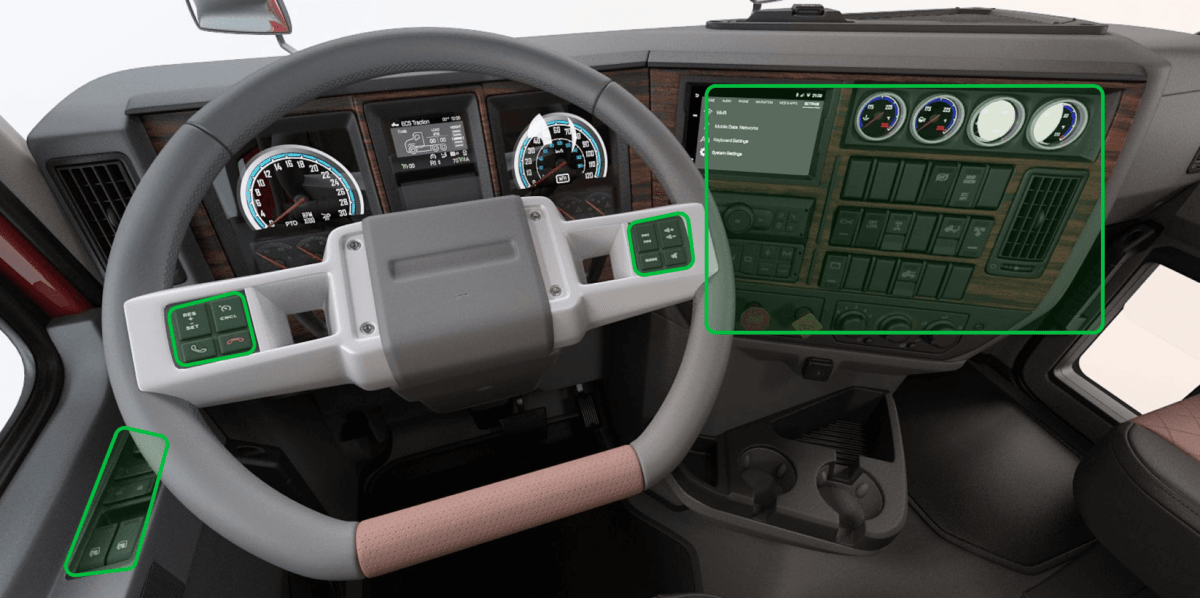
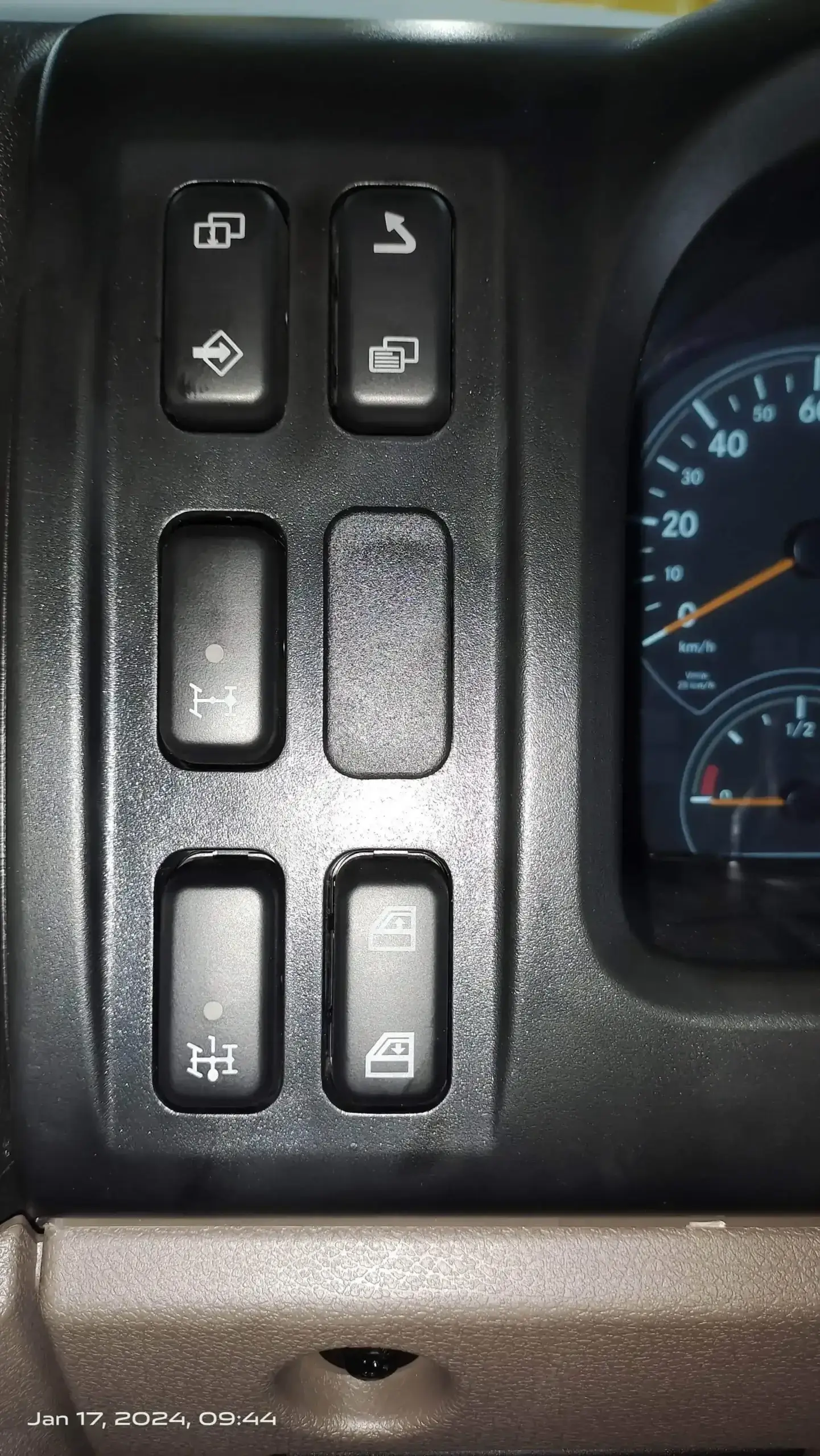
Vehicle Cockpit Inspection – Quality Control
1:18 Mins
Video poster

Quality Control

Sugarcane Grading – Quality Control
0:55 Mins
Video poster

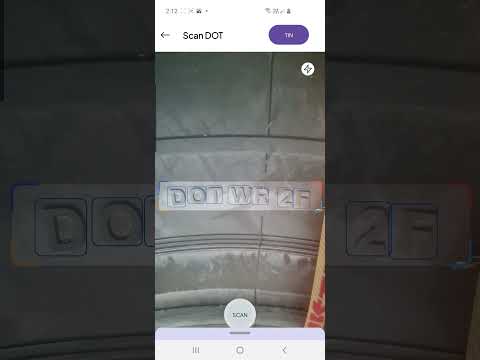
Asset Identification
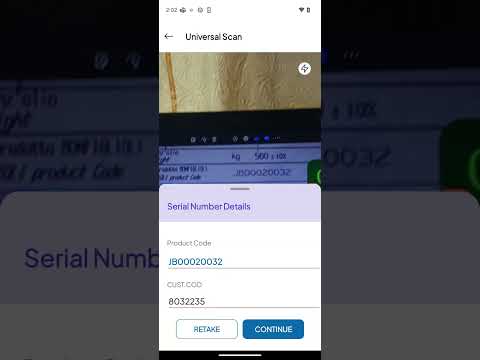
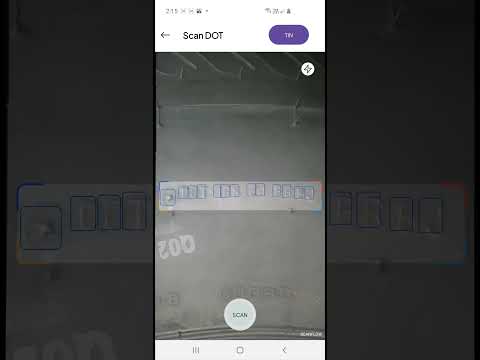
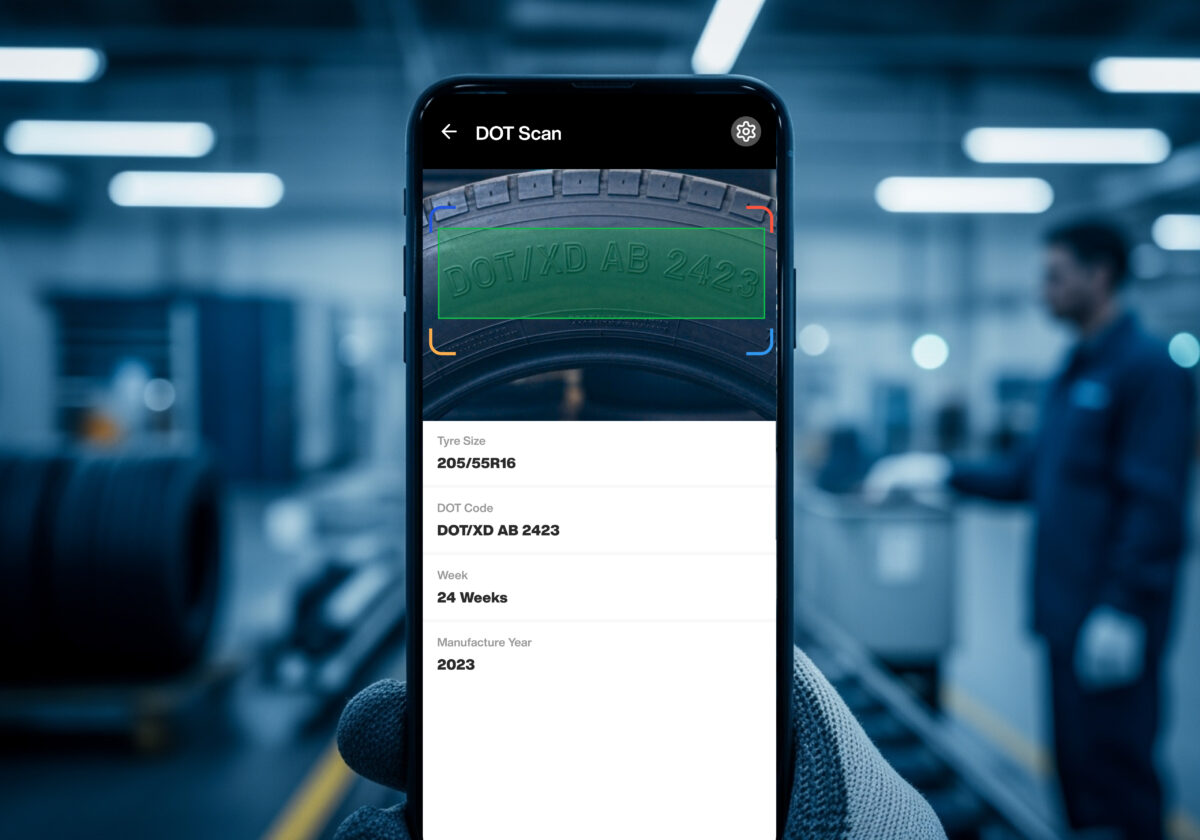
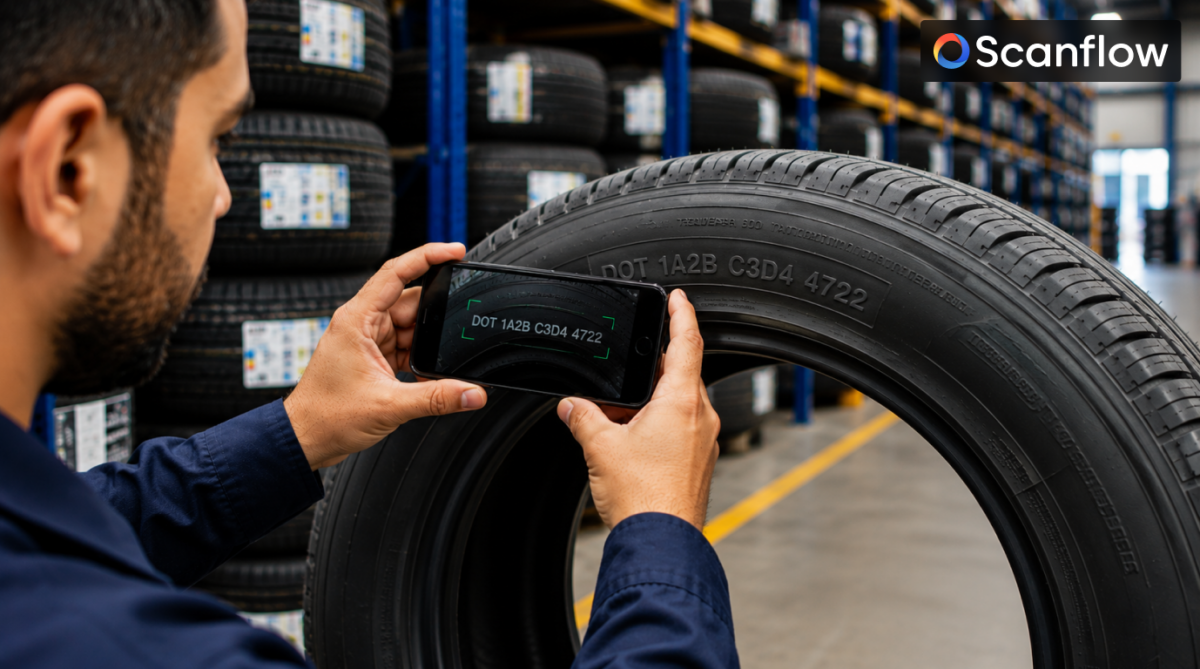
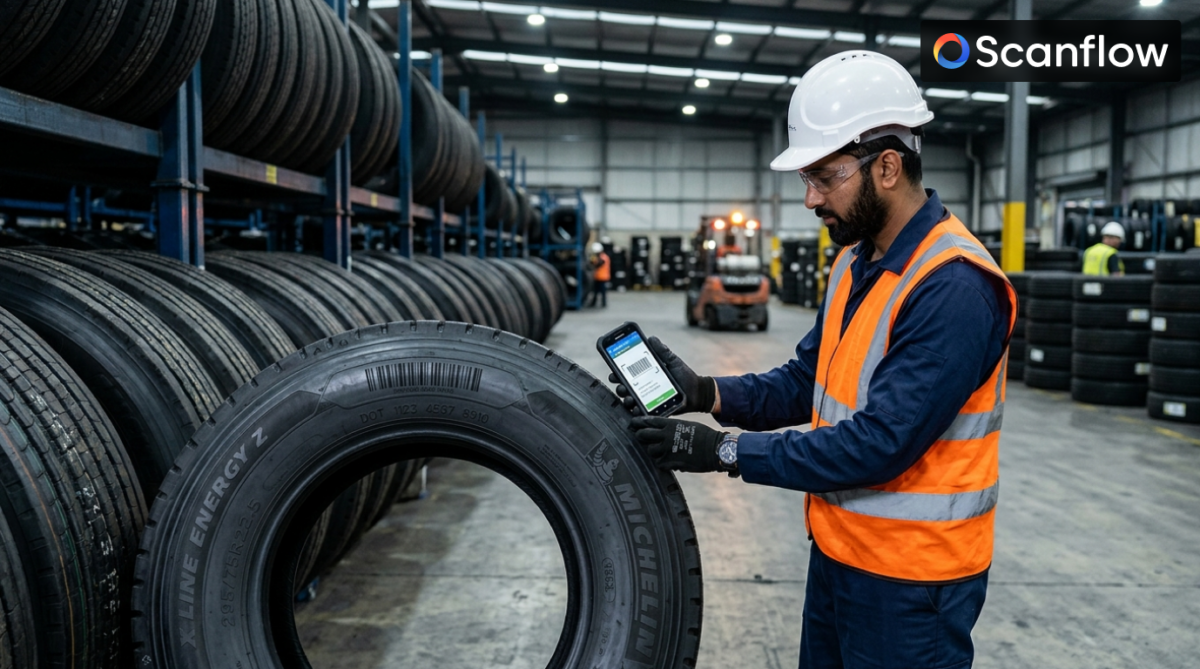
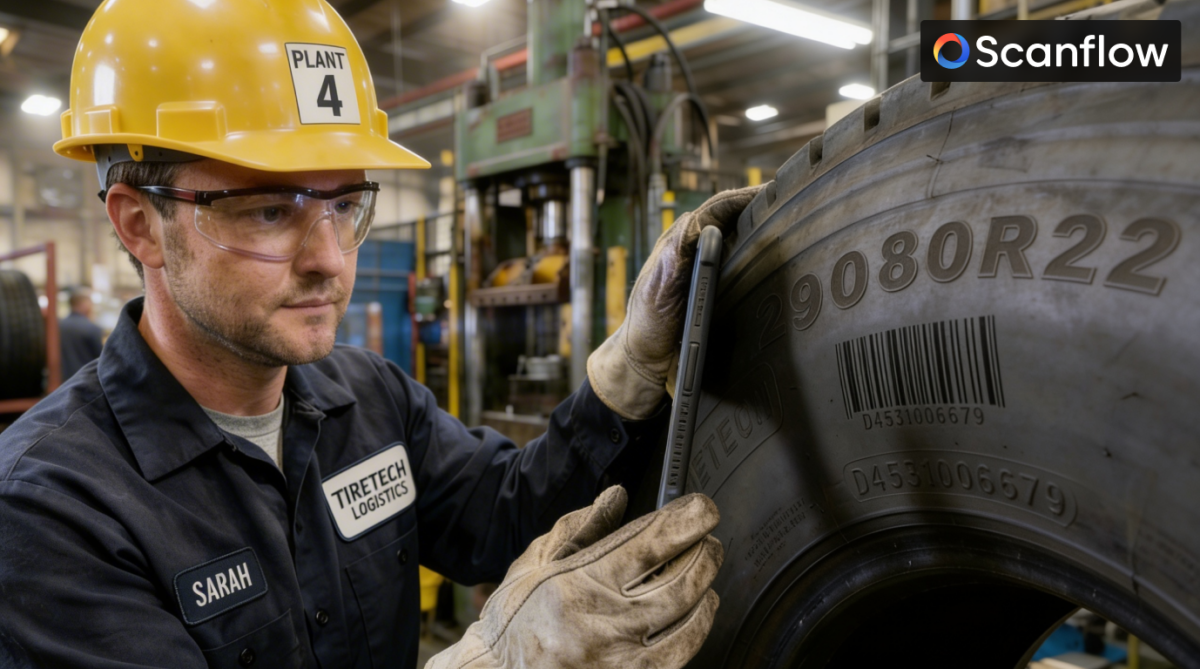
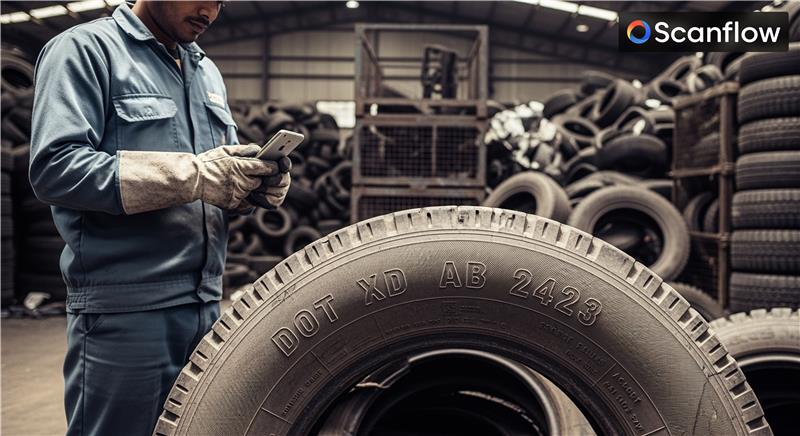
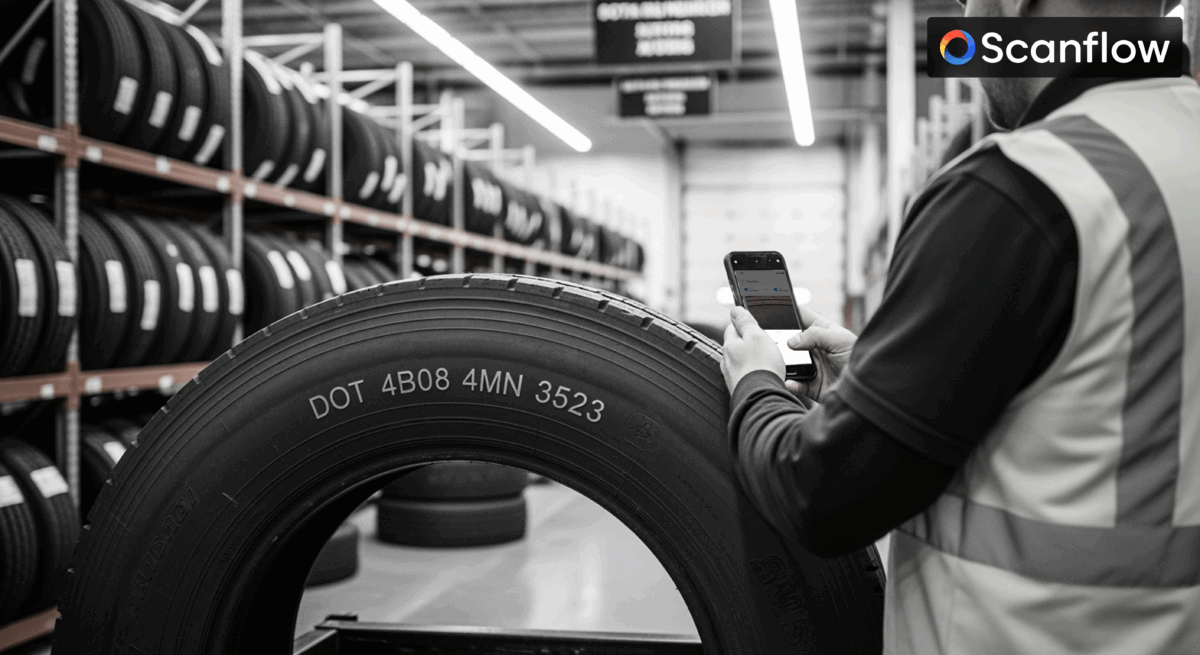
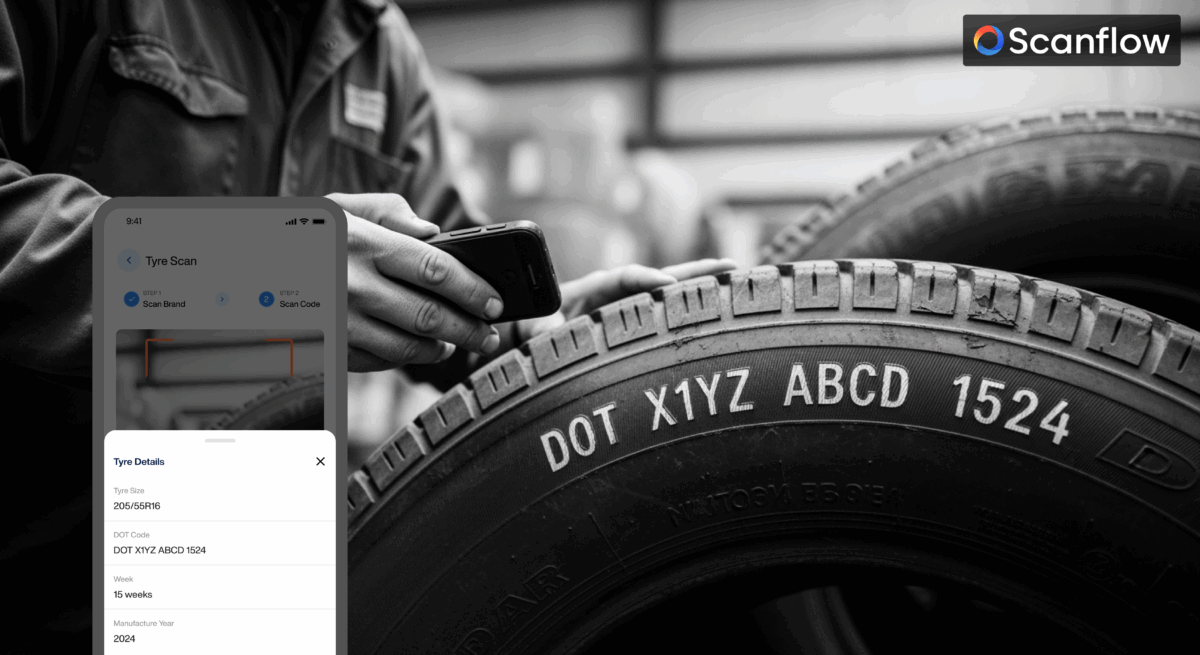
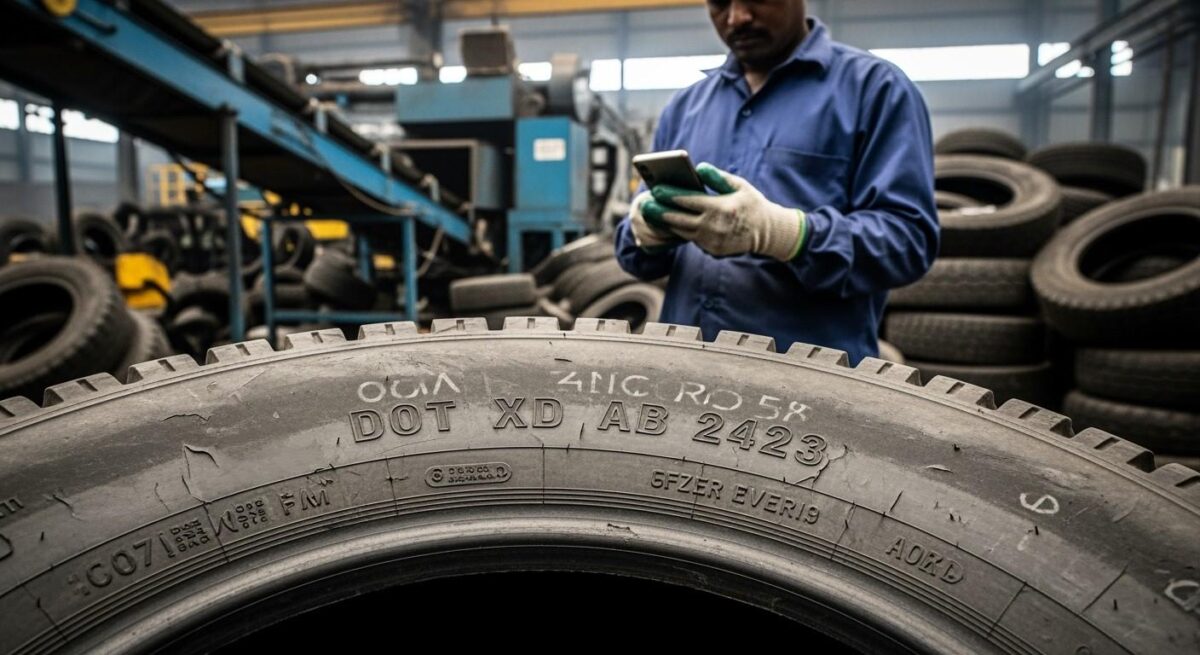
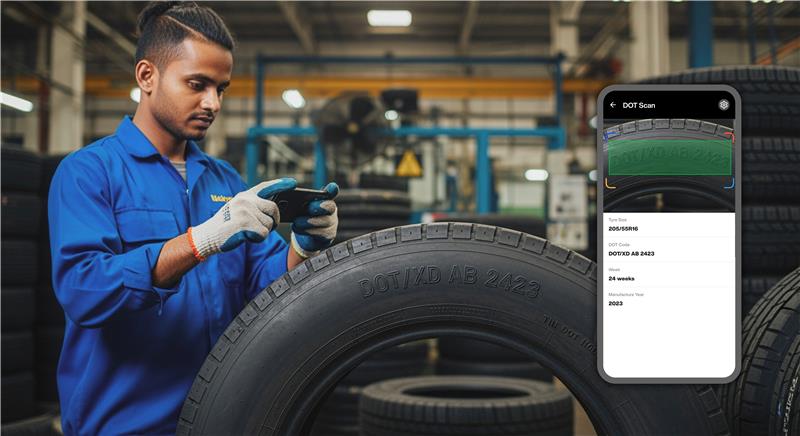
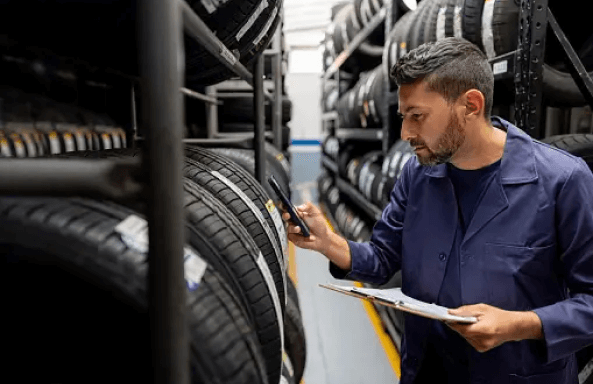
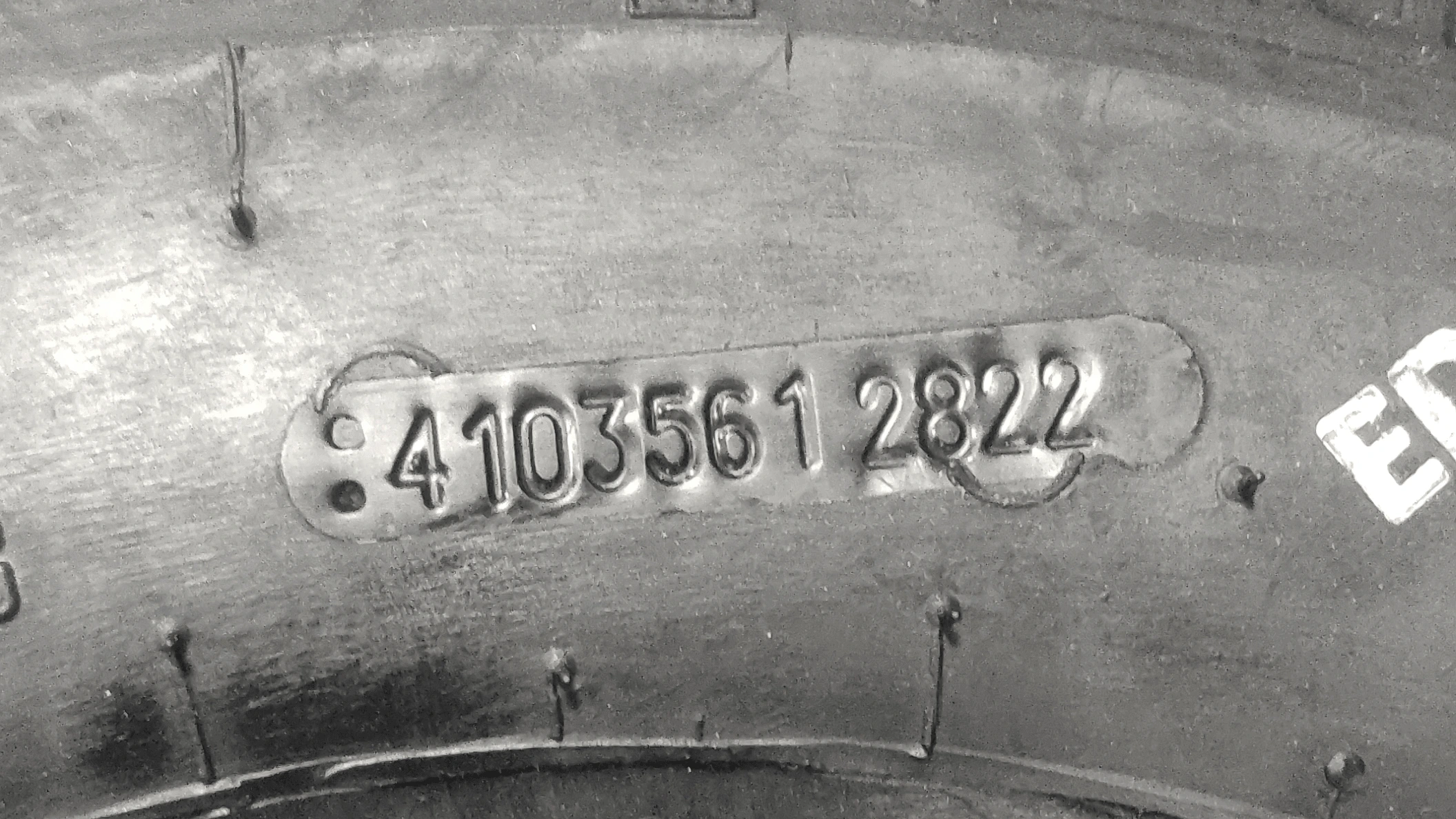
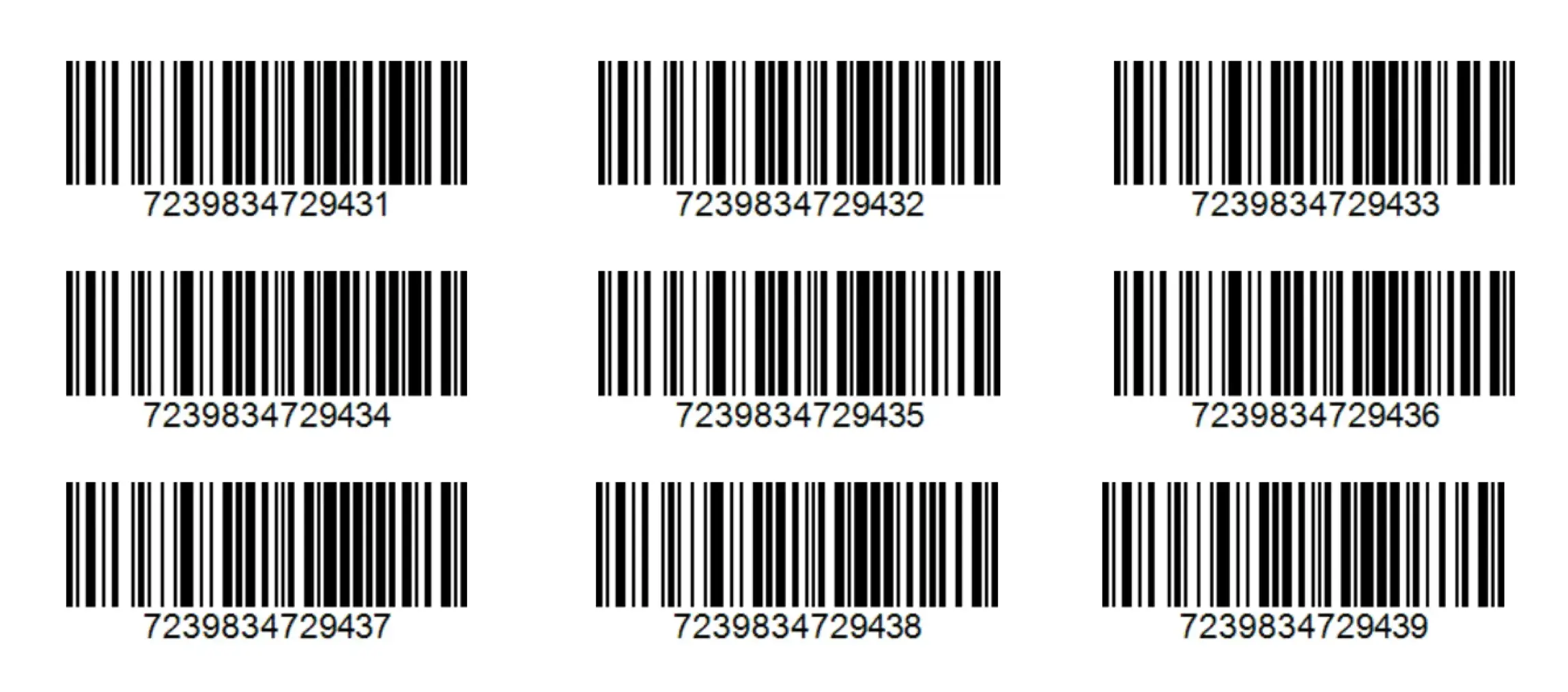
Tyre Dot Code Capture – Inventory Management
0:16 Mins
Video poster

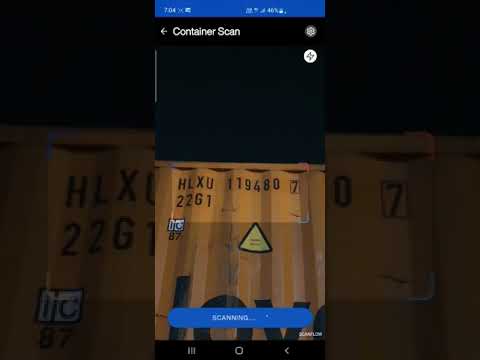
Asset Identification

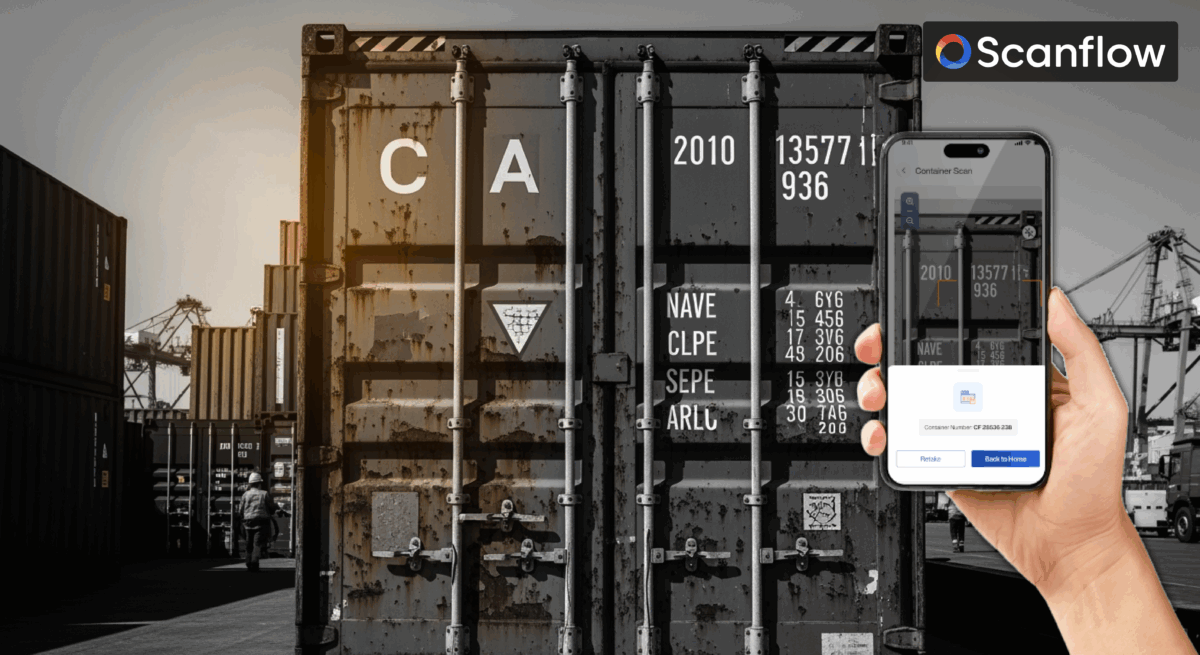
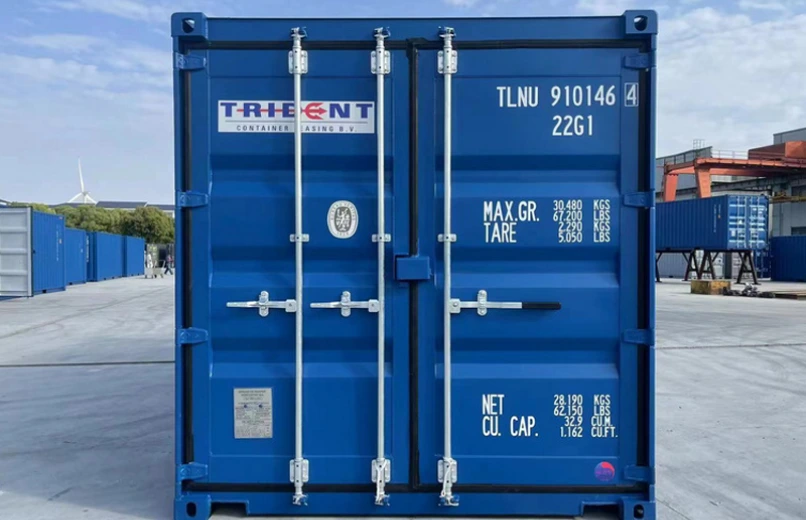
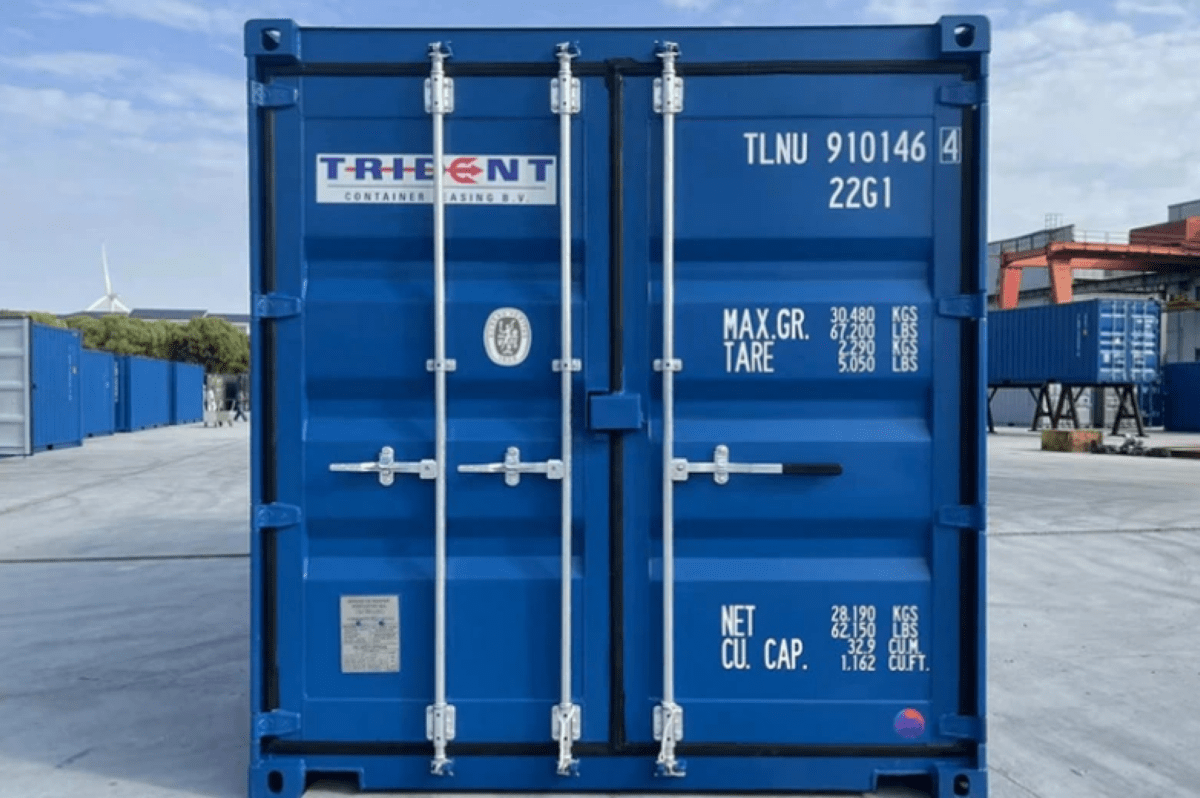
Container Number Capture – Inventory Management
0:14 Mins
Video poster

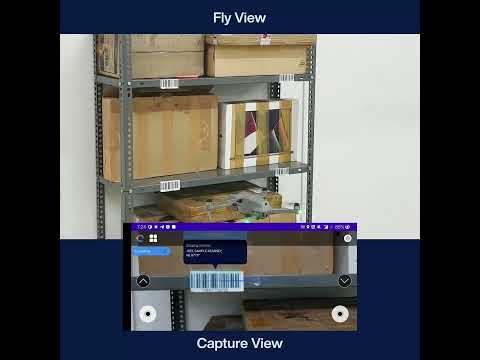
Asset Identification

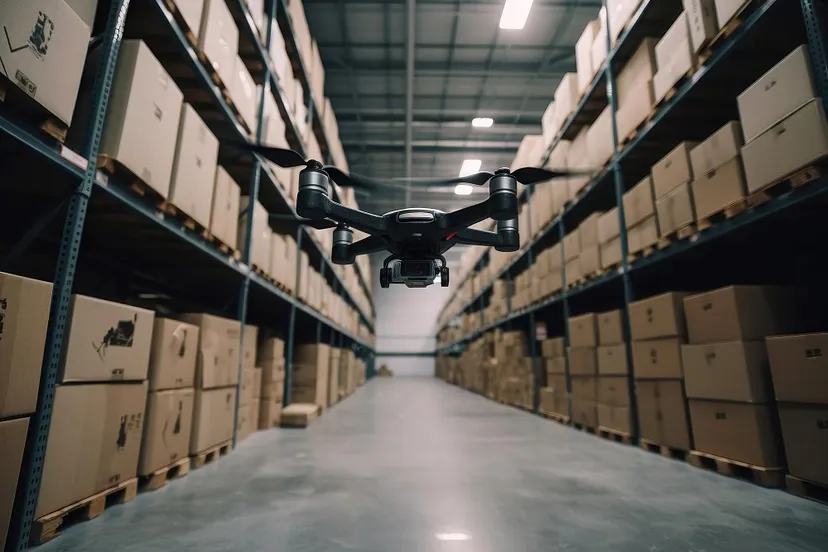
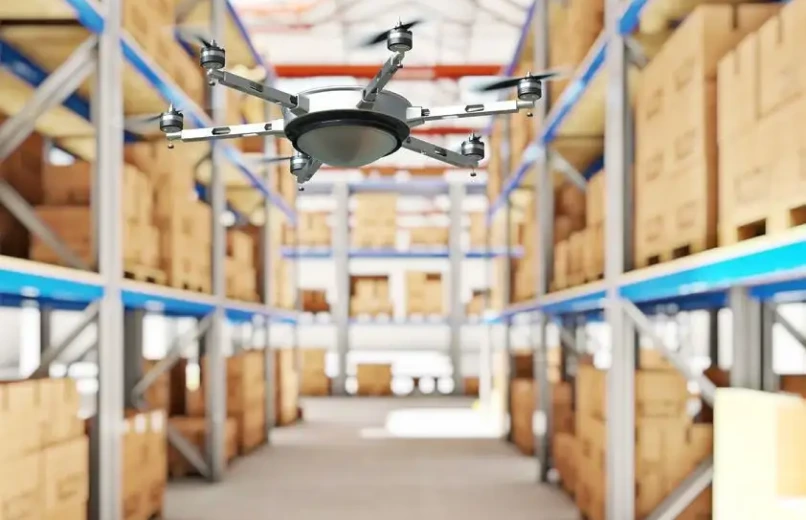
Data Capture using Drone – Inventory Management
0:41 Mins
Video poster

Asset Identification

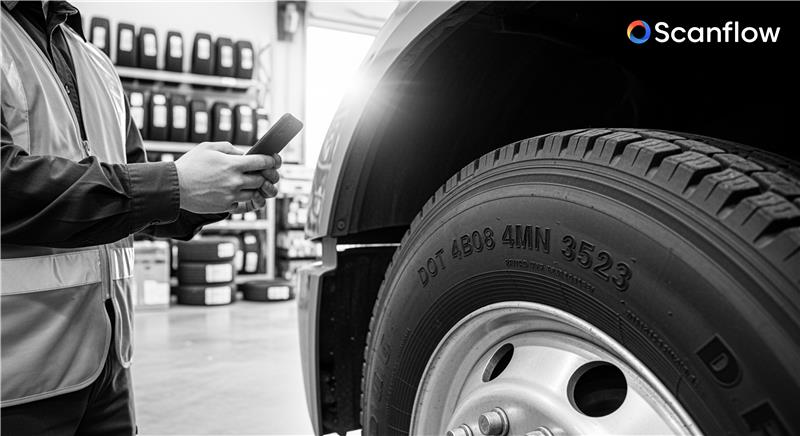
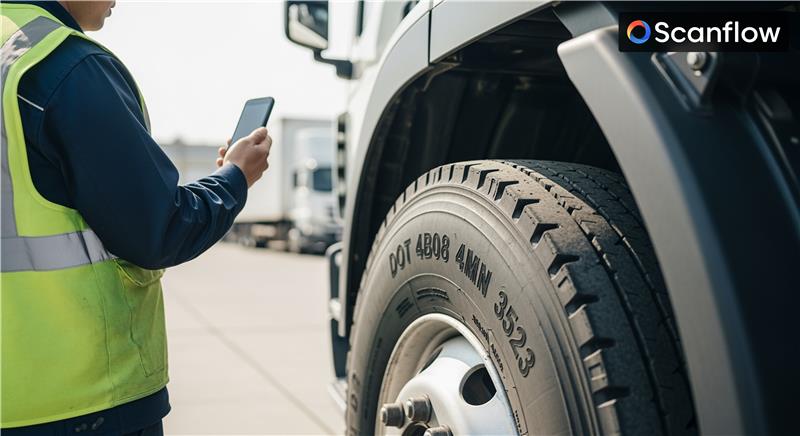
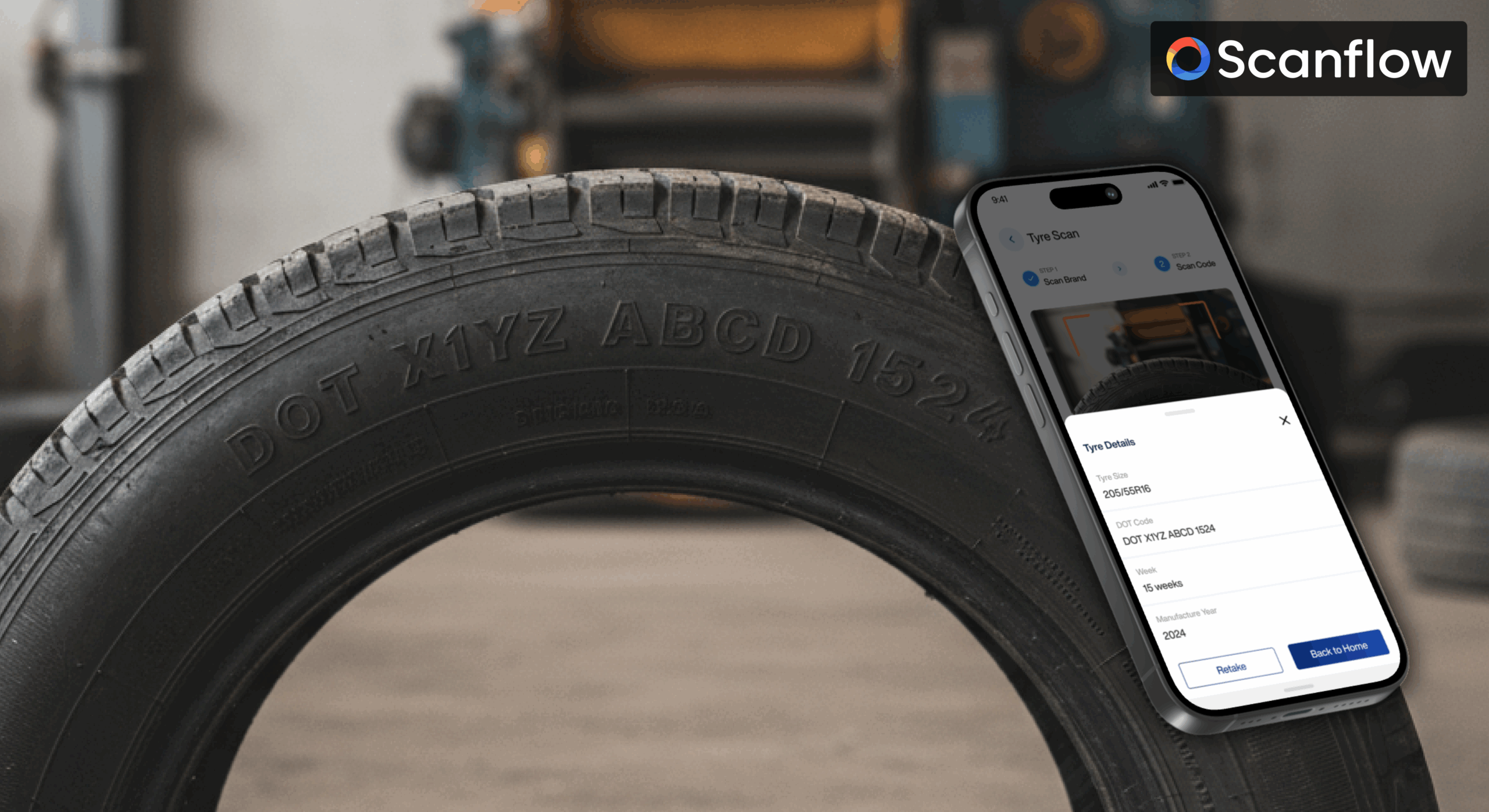
Tyre Dot Code Capture 2 – Inventory Management
0:12 Mins
Video poster

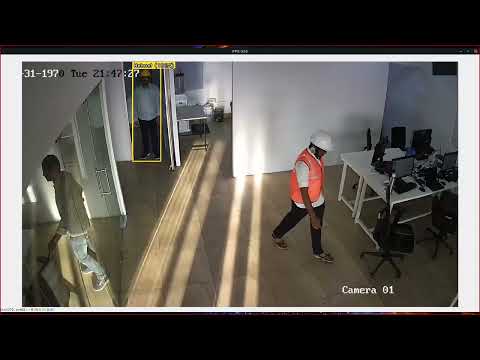
Industrial Safety

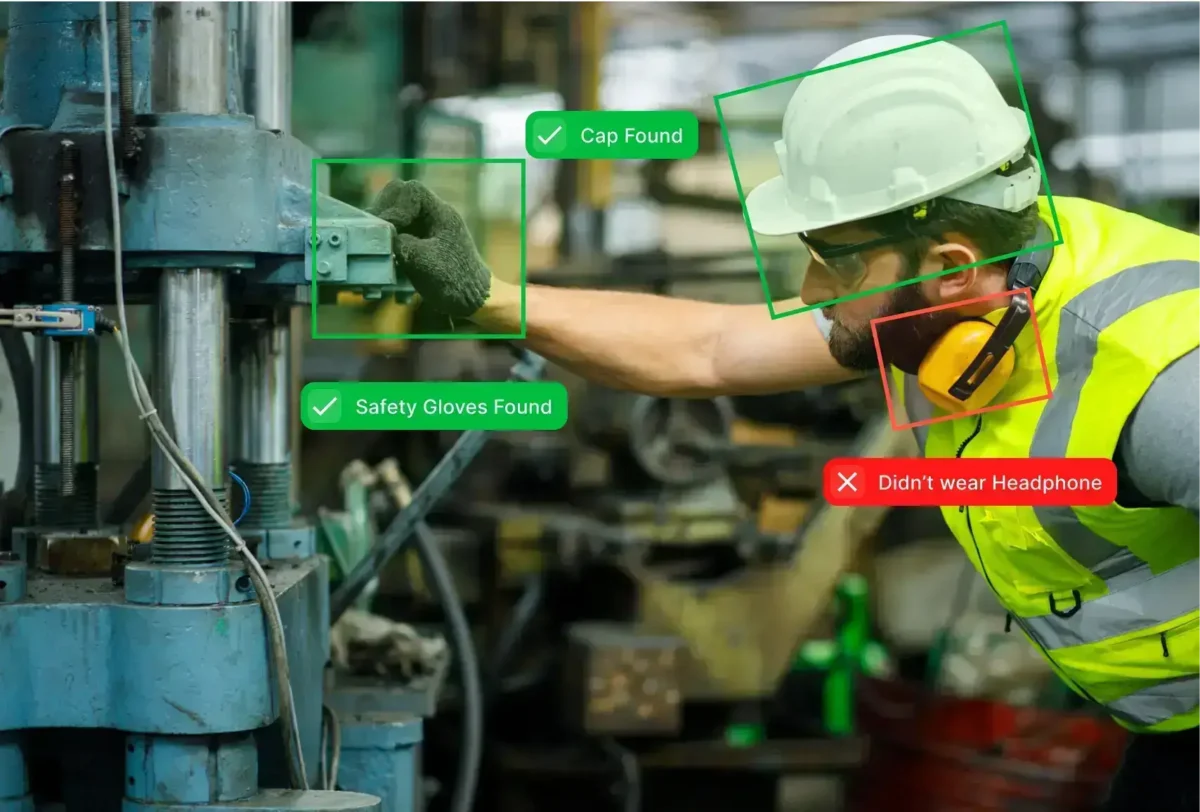
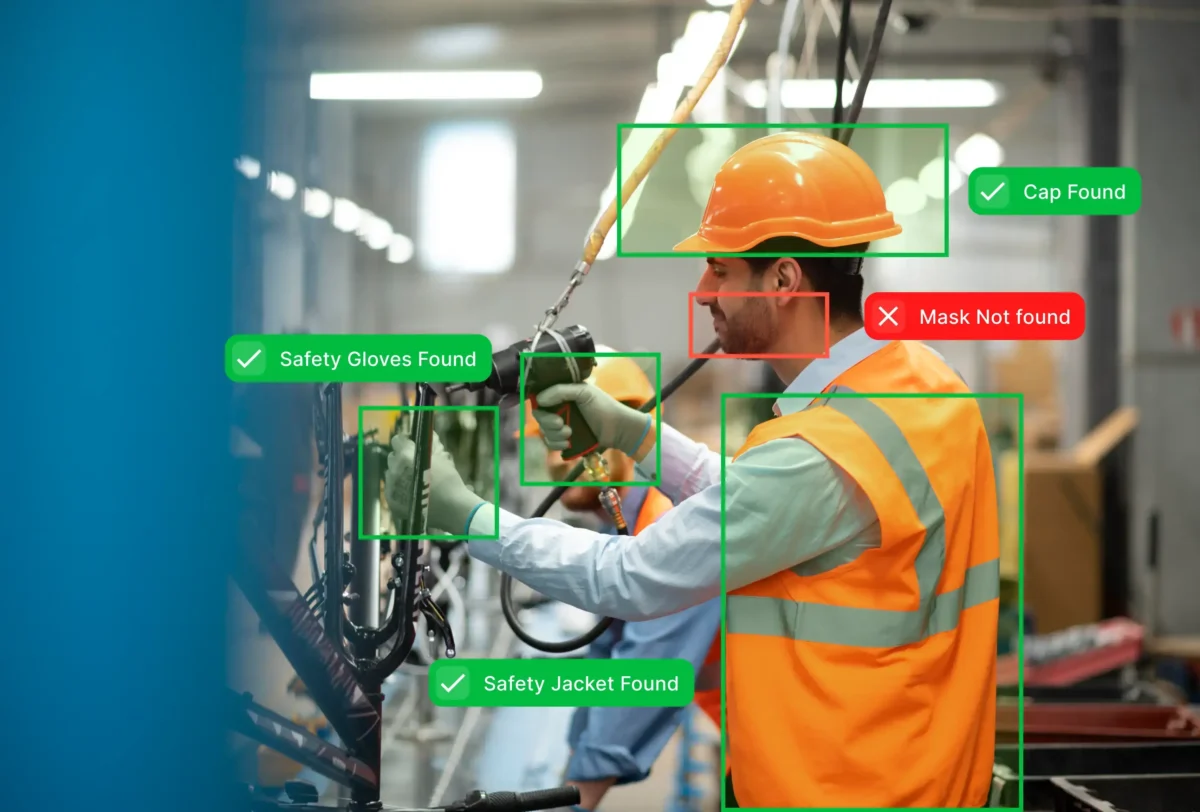
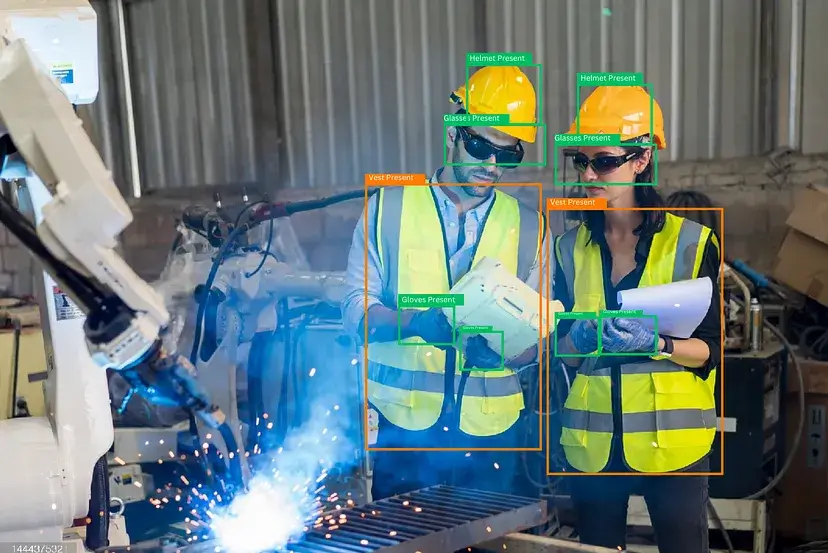
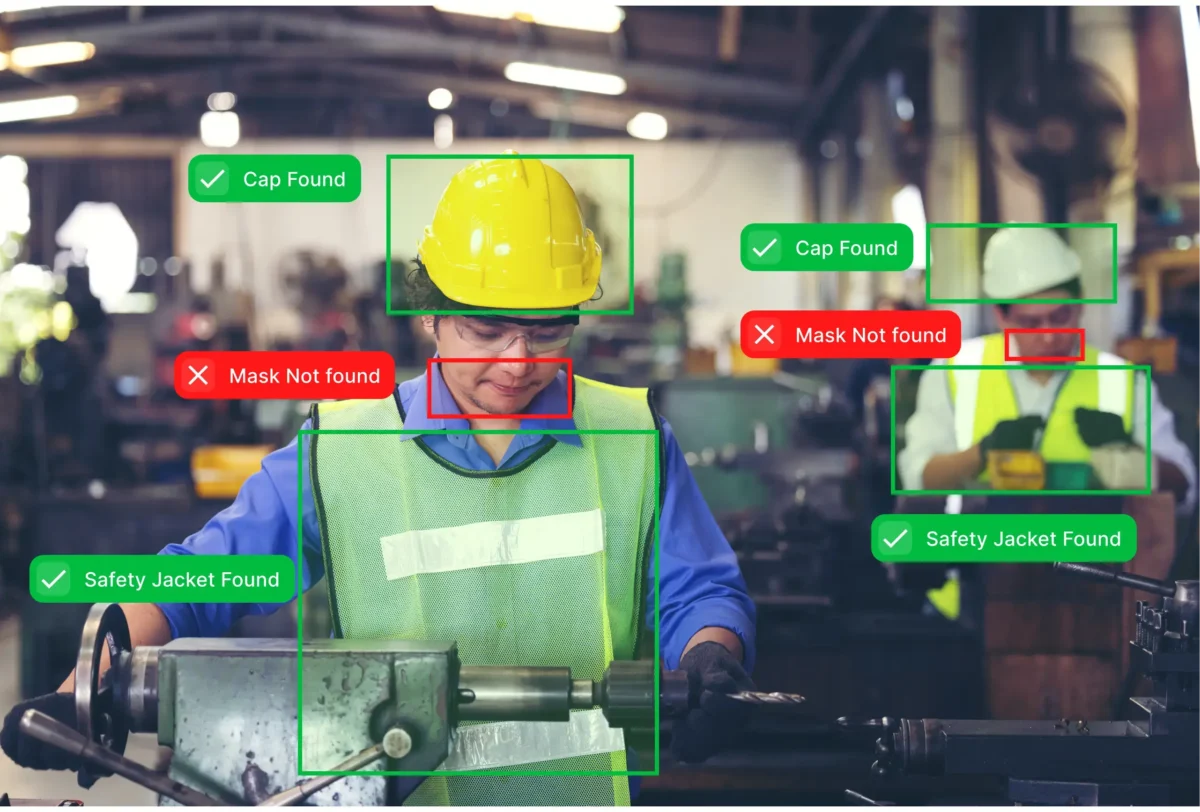
PPE detection with Dashboard – Industrial Safety
Video poster

Asset Identification

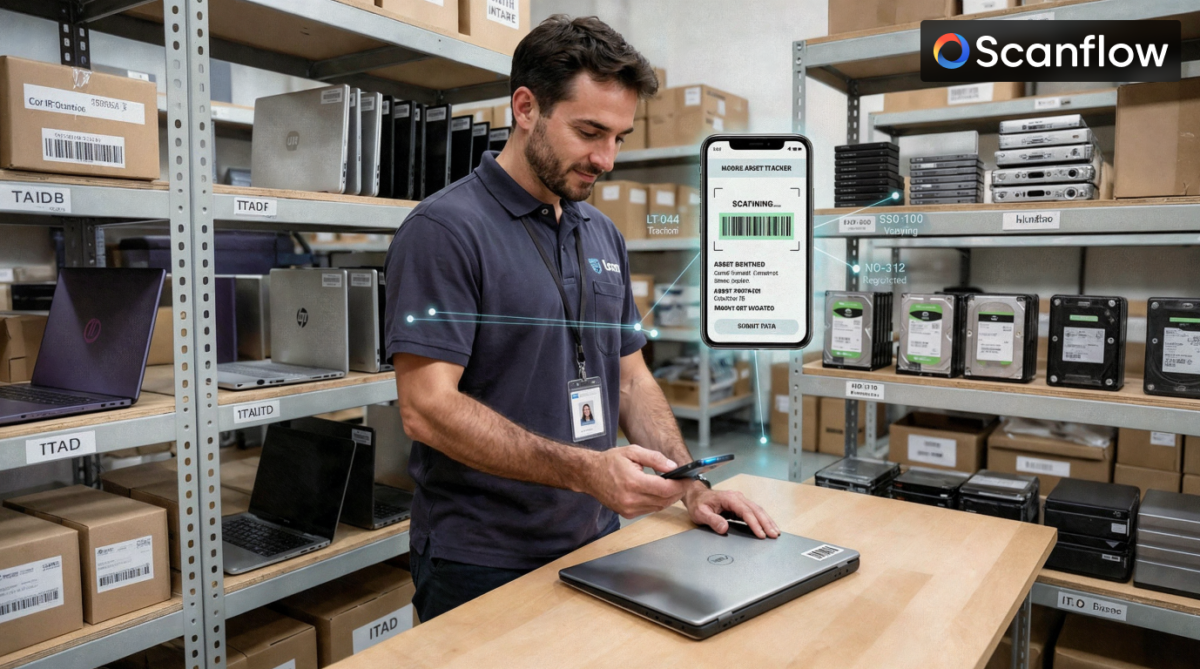
Barcode Feature Showcase – Inventory Management
0:32 Mins
Video poster

Asset Identification

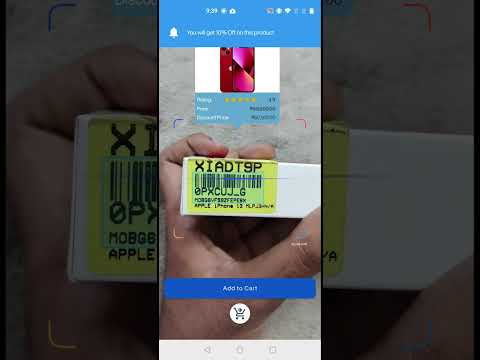
Barcode Scanning Live Demo – Inventory Management
1:36 Mins
Video poster

Asset Identification

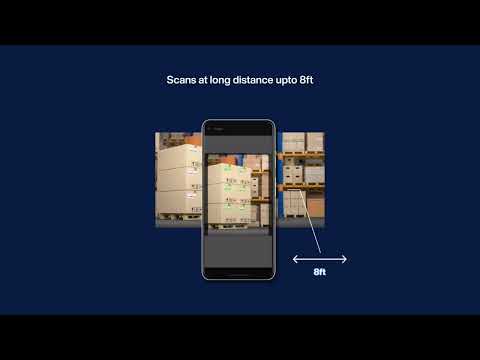
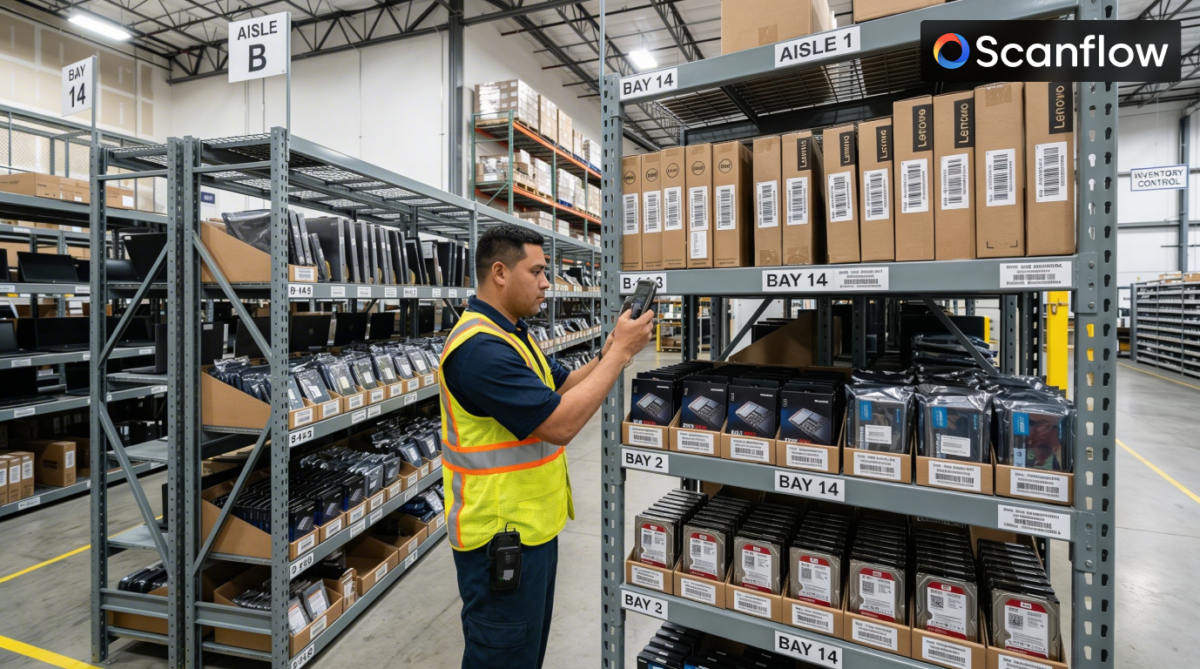
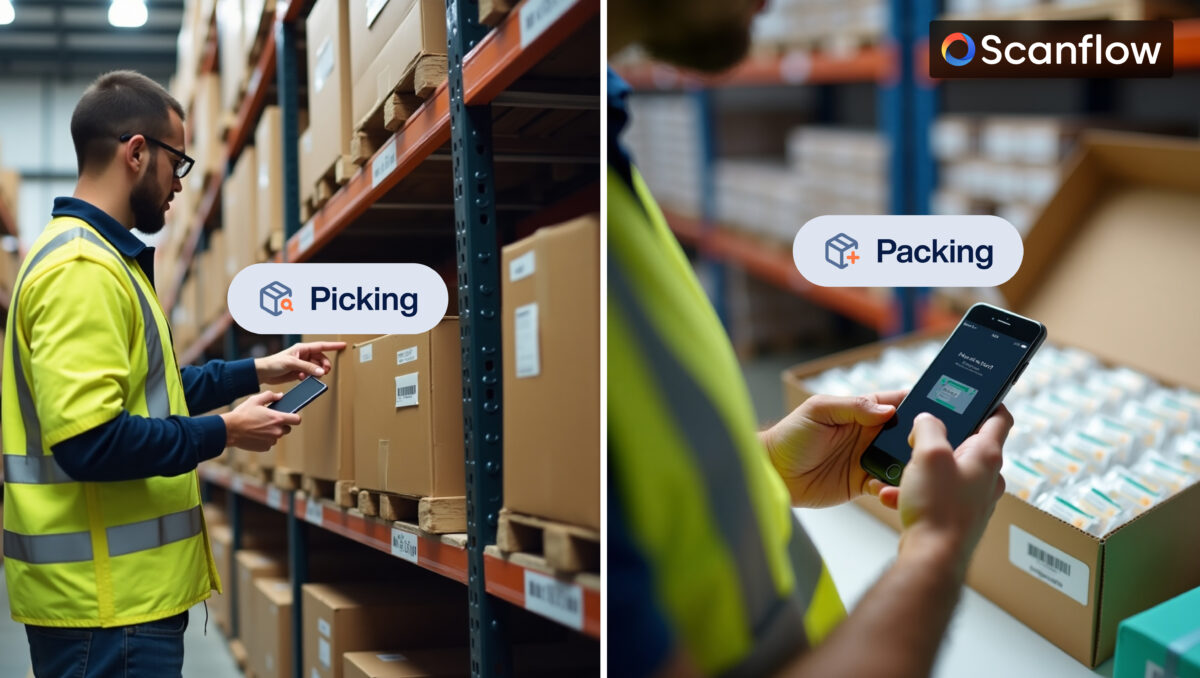
Barcode & QR code Showcase – Warehouse Management
1:11 Mins
See More 👉

Success Story

ourstories-img

Asset Identification

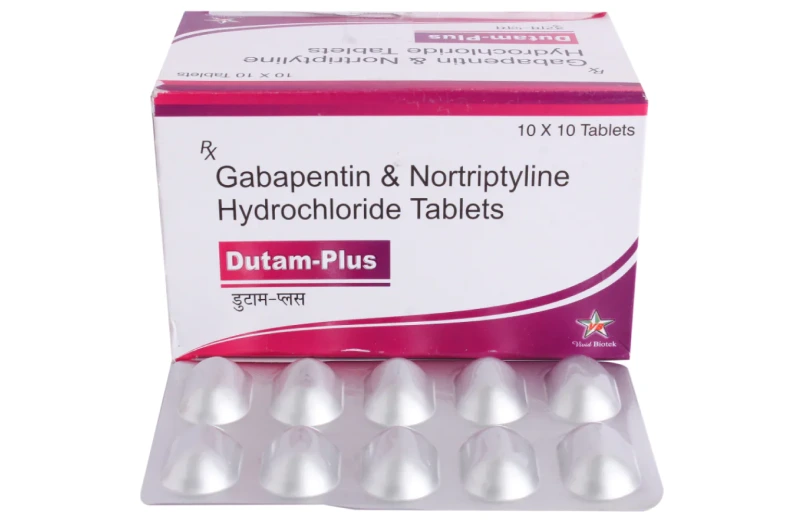
Improving Inventory Management and Batch Tracking in Pharma Manufacturing with Smart Asset Identification

2 Mins read
ourstories-img

Asset Identification

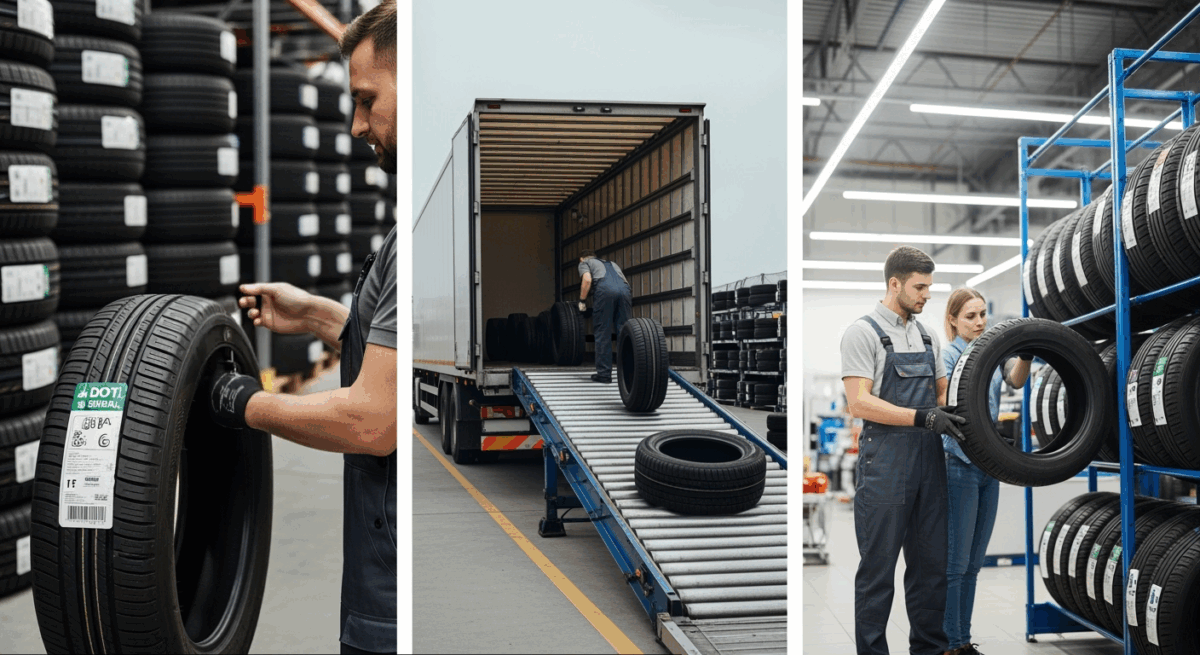
How scanflow helped automate tire handling, improve visibility, and reduce operational cost

2 Mins read
ourstories-img

Asset Identification

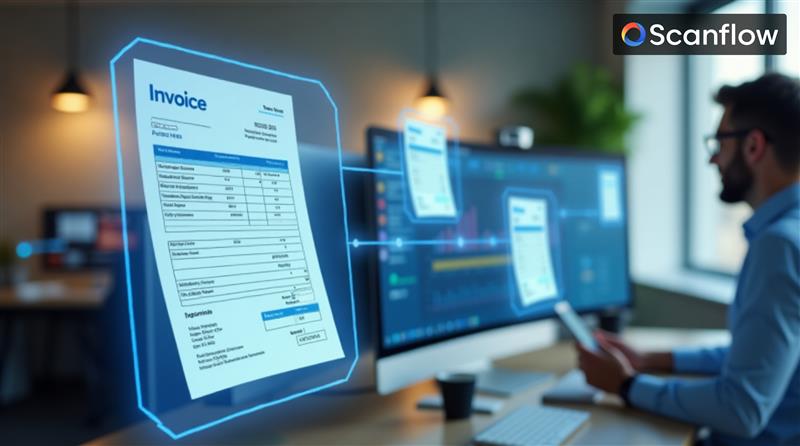
Automated Invoice Scanning & Processing: How Scanflow Helped a Leading Enterprise Reduce Errors and Improve Efficiency in invoice scanning

3 Mins read
ourstories-img

Industrial Safety

Streamlining Operations with advanced AI enabled Tractor Movement Detection: Learn how Scanflow Automates Gate Control and Safety Alerts

2 Mins read
ourstories-img

Quality Control

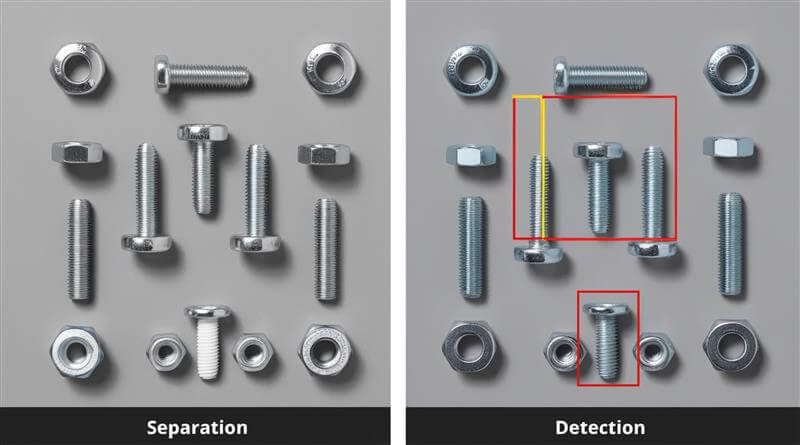
Transforming Fastener Manufacturing: How Vision Intelligence Ensures Accurate Bolt and Nut Counts for Perfect Shipments

2 Mins read
ourstories-img

Quality Control

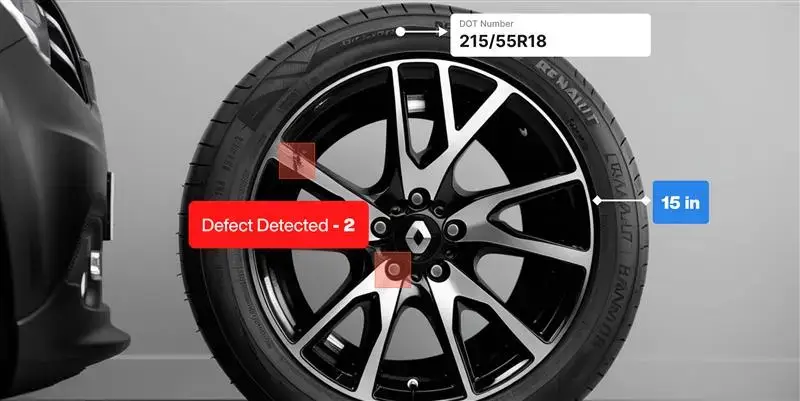
Precision in Every Ride: Advanced Solutions for Tire Fitment and Wheel Accuracy in Automotive Manufacturing

2 Mins read
ourstories-img

Quality Control

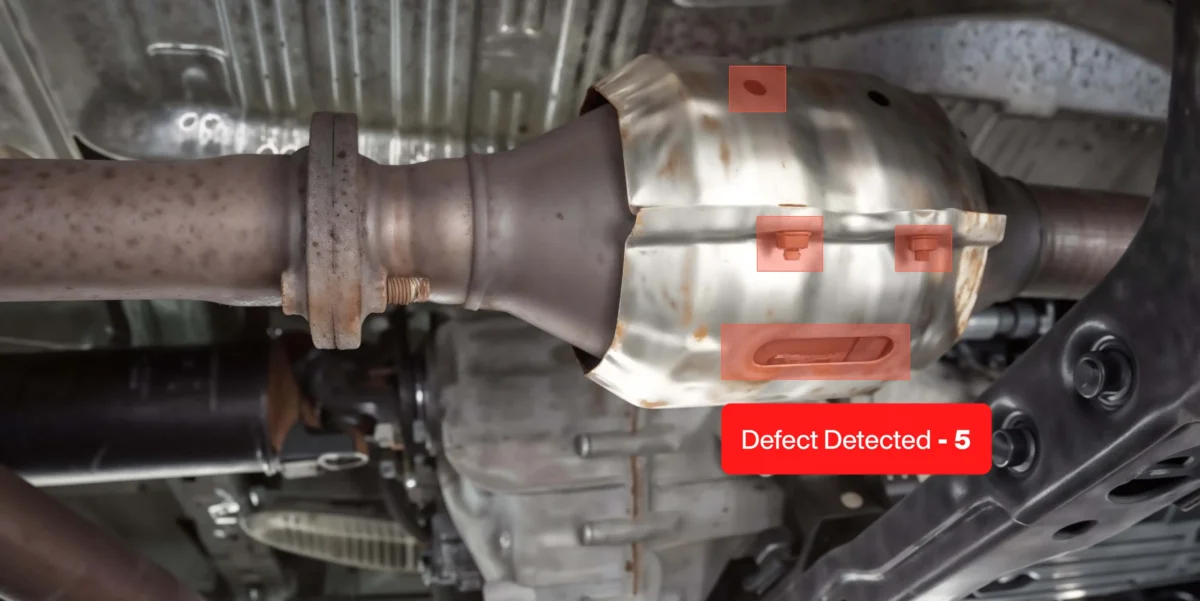
Transforming Catalyst Inspection Through Scanflow Automation: A Success Story

4 Mins read
ourstories-img

Quality Control

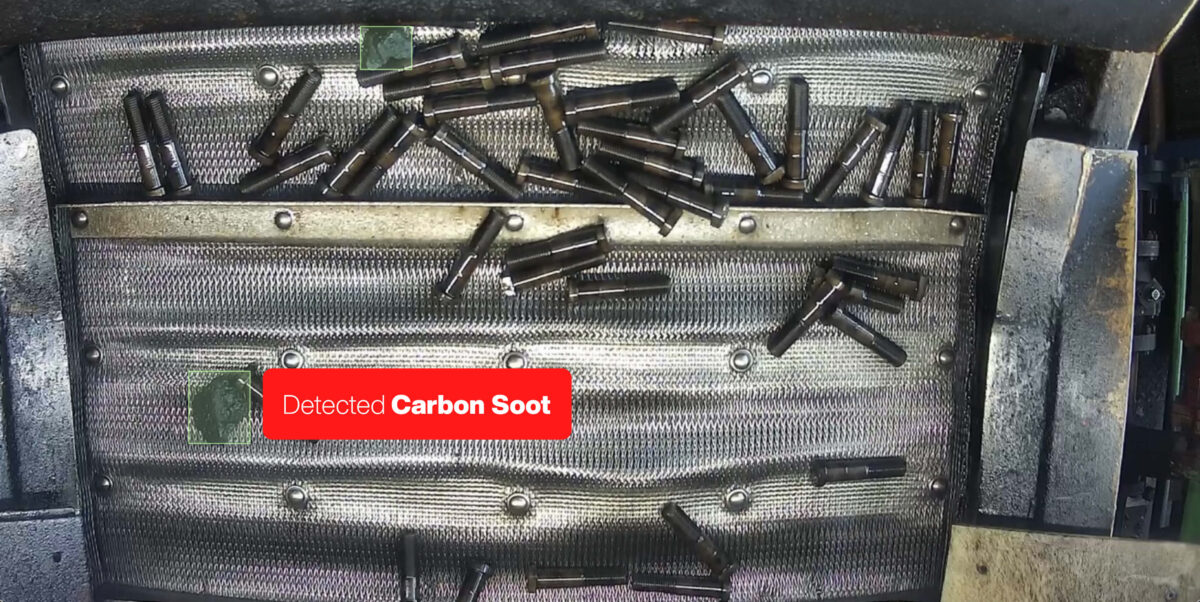
Revolutionizing Manufacturing with Vision Intelligence: Real-Time Detection of Carbon Soot on Conveyor Lines

4 Mins read
ourstories-img

Quality Control

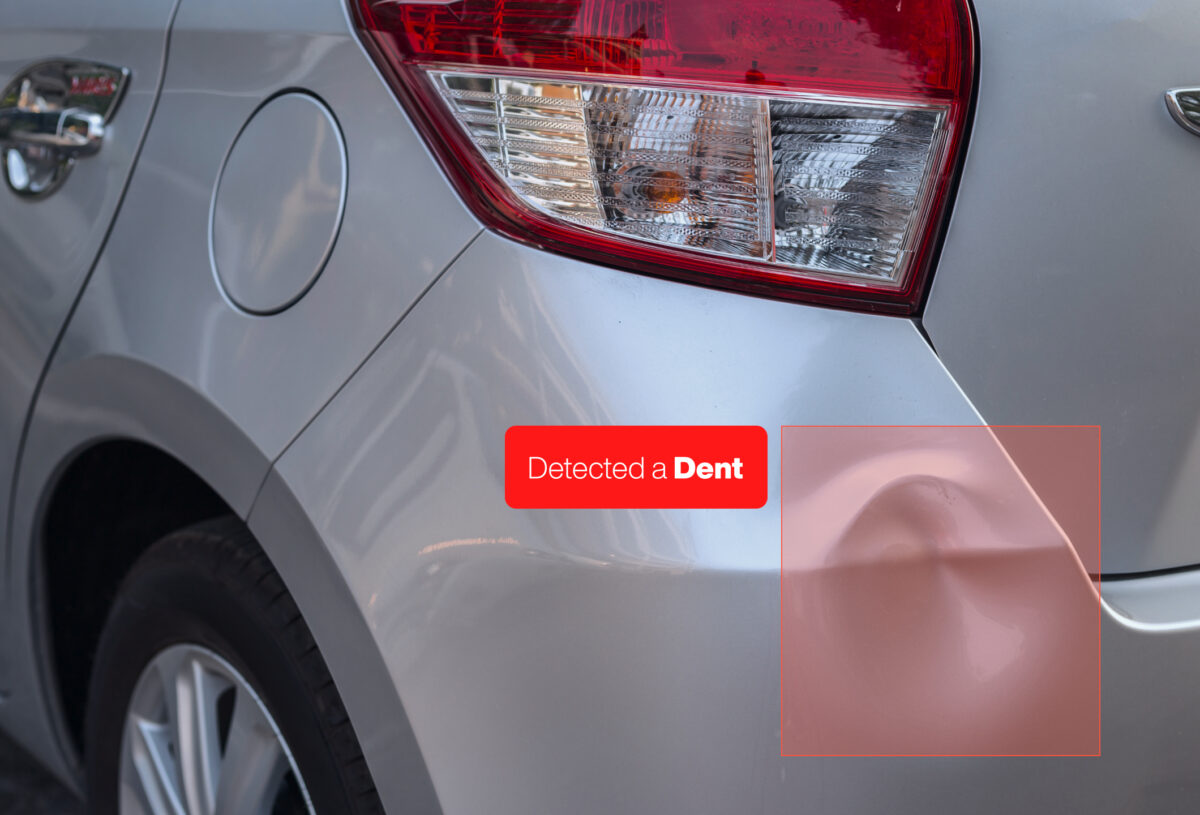
Setting New Standards in Automotive Quality: Advanced Dent Detection System Unveiled

3 Mins read
ourstories-img

Quality Control

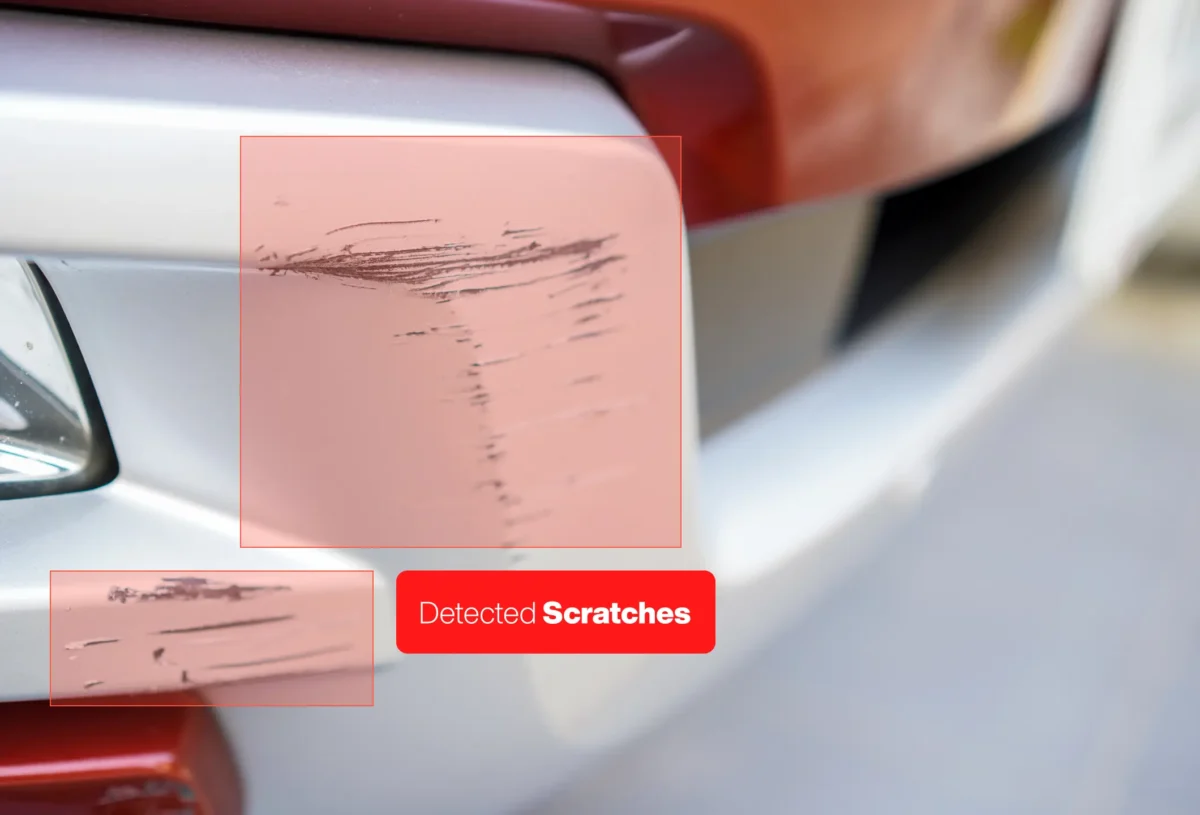
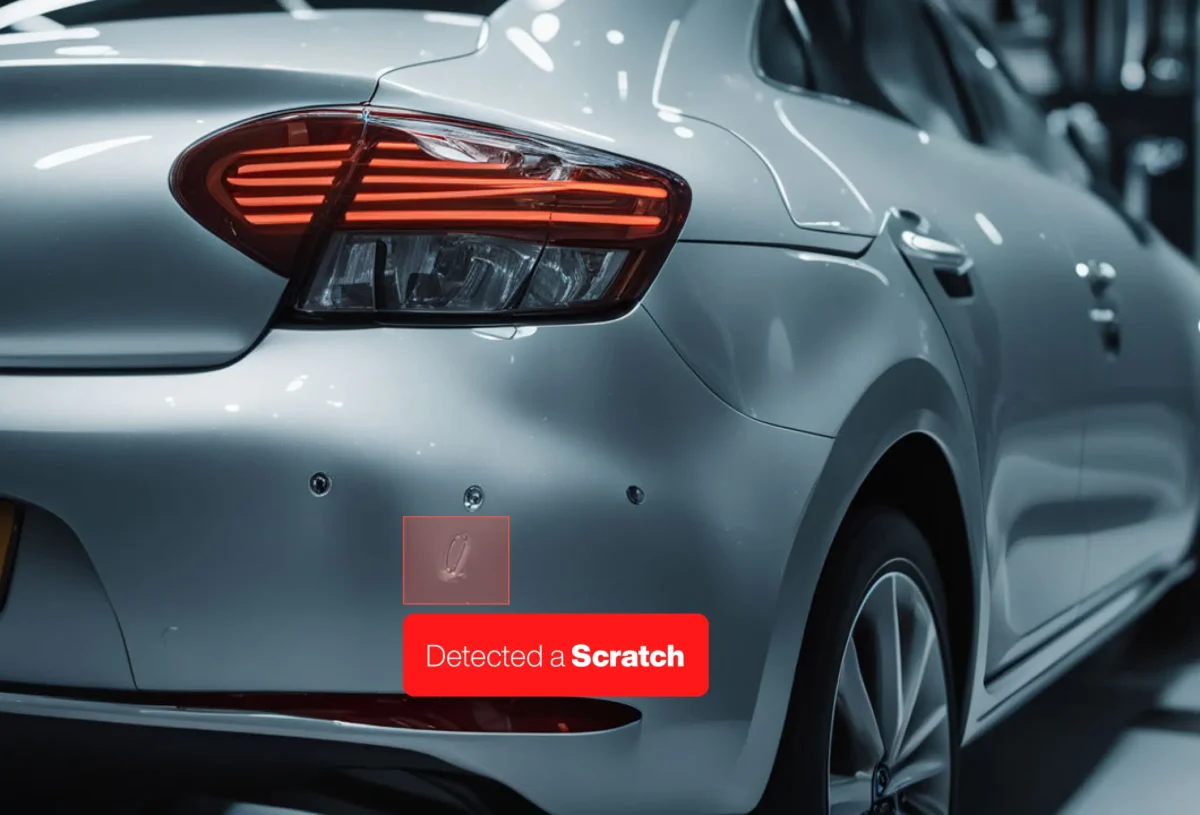
Elevating Automotive Standards with Cutting-Edge Scratch Detection

3 Mins read
ourstories-img

Industrial Safety

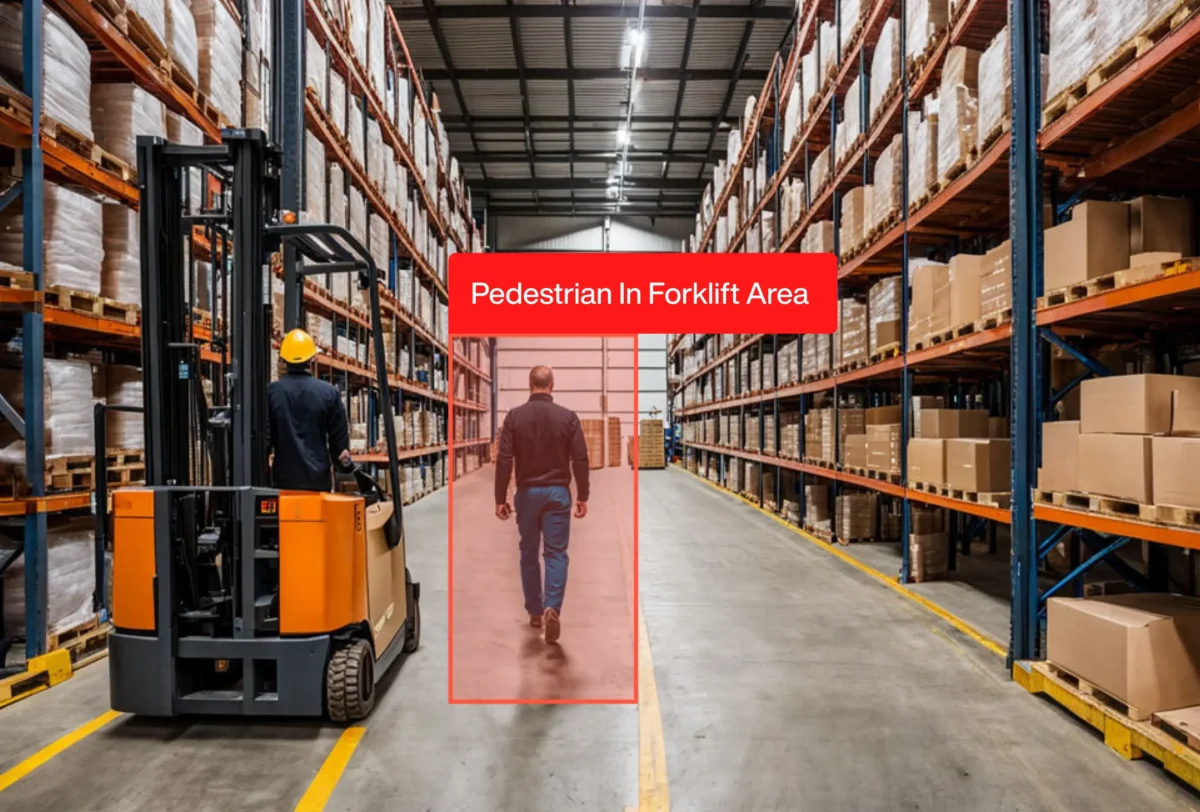
Transforming Warehouse Safety: Scanflow AI and Smart Cameras for Accident Prevention

2 Mins read
ourstories-img

Industrial Safety

Building a Wall of Safety: How Visual Inspection with Scanflow Protects Your Cement Industry Workforce

2 Mins read
ourstories-img

Quality Control

Transforming Quality Control: How AI-Powered Scanflow Elevates Conveyor Belt Inspections

2 Mins read
ourstories-img

Industrial Safety

Enhancing Quality Control in Manufacturing with Custom Object Detection Model

3 Mins read
ourstories-img

Keeping it in Gear: Multiple Avenues for Damper Serial Code Verification in Automotive Manufacturing

2 Mins read
ourstories-img

Quality Control

Eagle Eyes on the Assembly Line: How AI Visual Inspection is Revolutionizing Car Inspection

2 Mins read
ourstories-img

Industrial Safety

Zero Accidents, Zero Compromises: The Impact of AI on Workplace Safety in the Cement Industry

3 Mins read
ourstories-img

Quality Control

Scanflow Drives Gear Shaft Quality Up a Notch for Leading Automotive Manufacturer

2 Mins read
ourstories-img

Quality Control

Boosting Product Quality: How can visual inspection improve quality control in manufacturing?

2 Mins read
ourstories-img

Quality Control

Accelerating Defect Detection with AI Visual Inspection in Automotive Industry

2 Mins read
ourstories-img

Industrial Safety

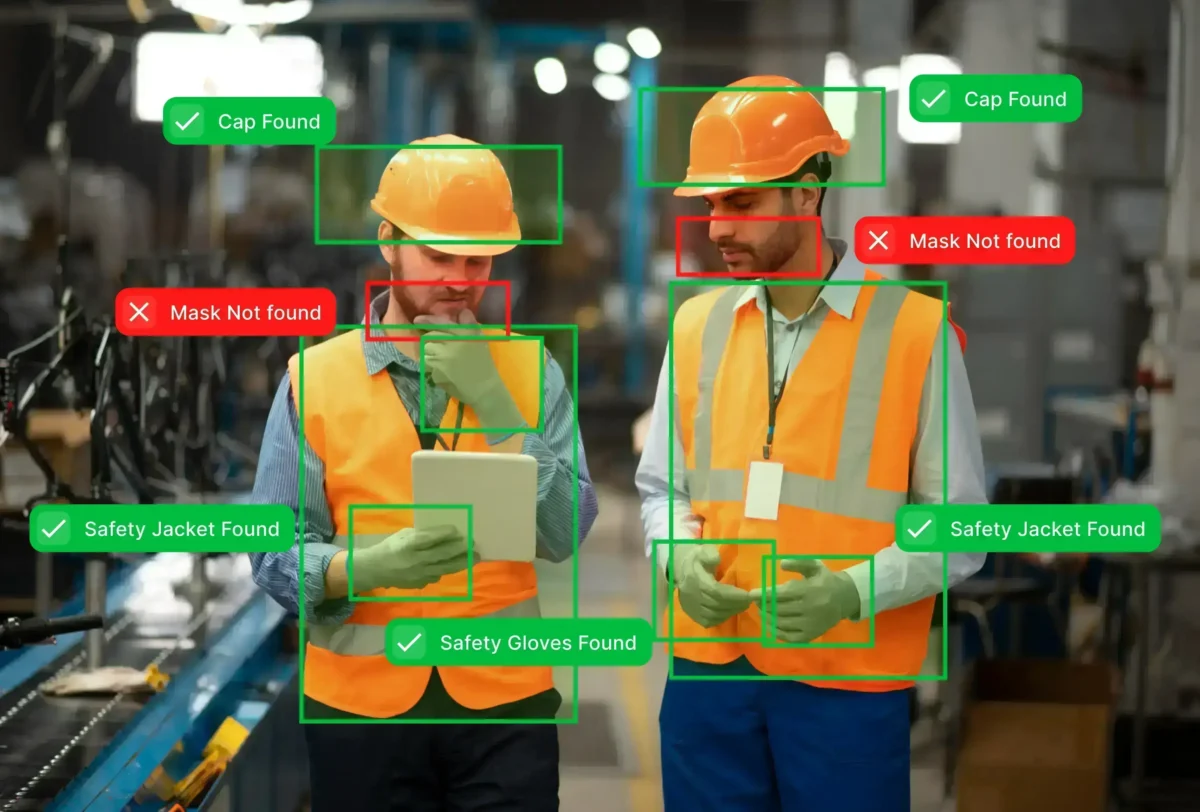
Detection of Personal Protective Equipment (PPE) Compliance Using Computer Vision Based Deep Learning Techniques

5 Mins read
ourstories-img

Quality Control

AI Visual Inspection for Defect Identification on conveyor belt

2 Mins read
ourstories-img

Quality Control

AI-Powered Vision Inspection: How AI Can Transform Your Manufacturing Process

2 Mins read
ourstories-img

Quality Control

Component Number Scanning: The Missing Piece in Your Manufacturing Puzzle

2 Mins read
ourstories-img

Quality Control

Transforming Production: How AI Eliminated Defects in Vehicle Cockpits

1 minute
ourstories-img

Quality Control

Streamline Manufacturing: How Scanflow improves productivity with Component Number Scanning

2 Mins read
ourstories-img

Asset Identification

Optimizing Warehouse Management: How Smart Data Capture Solutions Help in Logistics

2 Mins read
ourstories-img

Asset Identification

Enhancing Retail Operations: Scanflow Data Capture for Inventory Management and Point of Sale

2 Mins read
ourstories-img

Asset Identification

Unlocking Efficiency: How smart data capture solutions Improve Business Workflows

2 Mins read
ourstories-img

Asset Identification

Tire Warehouse Management: How Scanflow helps in Inventory Optimization and Workflow Automation

3 Mins read
ourstories-img

Asset Identification

Empower Your Customers with Self-Scanning: How Self-Scanning Transforms Shopping and Delights customers?

2 Mins read
ourstories-img

Asset Identification

How Scanflow transformed Retail Pharmacy with Smart Inventory Management- A success story

3 Mins read

Case Studies

Telle Tires & Auto Centers

Case Study

Telle Tires & Auto Centers

Tire & Auto Retail
Pharmaceutical Traceability for MSF

Case Study

MSF Pharmaceutical

Pharmaceutical & Healthcare
Bonfiglioli

Case Study

Bonfiglioli

Industrial Automation & Power Transmission
Daimler

Case Study

Daimler

Automotive & Manufacturing
Technician scanning tire sidewall information with a smartphone in a tire warehouse

How Scanflow Solved Tire Defect Detection at the Speed of the Line for Telle Tyre

Scanflow Case Study

Telle Tires & Auto Centers

Automating Tire Identification and Inventory Accuracy Across a Multi-Location Retail Network

Scanflow is an AI-enabled visual intelligence platform from OptiSol Business Solutions, purpose-built for asset identification, inventory automation, and visual inspection across tire, ITAD, solar, VIN, and quality-control workflows.

98–99% Inventory accuracy across all locations
3x Faster shipment & receiving processing
100% Real-time digital audit trail per scan

Key Results

  • 98–99% inventory accuracy achieved across all locations
  • 3x faster shipment and receiving processing
  • 100% real-time digital audit trail for every scanned unit
  • Marked reduction in stock-outs and emergency restocking

Products Used

  • Scanflow Tire Sidewall Scanning SDK
  • Scanflow OCR Engine

Customer Profile

Industry: Tire & Auto Retail

Business Focus: Multi-location tire sales, warehousing, and auto service

Use Case: Tire Asset Identification & Inventory Automation

Deployment Model: Mobile scanning app, integrated with Protractor ERP

Overview

Telle Tires & Auto Centers operates a multi-location tire and auto service network, moving high volumes of tires, wheels, and auto parts through receiving, warehousing, and point-of-sale every day. Each location handles its own intake, storage, and shipment cycles, all feeding into Protractor, the company's dealer management and ERP system of record.

As the network scaled, inventory tracking stayed tied to manual data entry — reading DOT and sidewall codes by eye, keying invoices by hand, and reconciling stock counts location by location. Tire retail runs on thin margins and fast turnover, so any gap between what the shelf holds and what the system shows turns directly into lost sales, emergency restocking, or a customer walking out. Telle Tires engaged Scanflow to close that gap and give every location a shared, real-time view of inventory.

Business Challenge

As Telle Tires' network grew, manual tire data capture and invoice entry left the business without a single reliable picture of stock across its locations:

  1. 01Manual Tire Data Capture Slowing Receiving — DOT codes, sidewall specs, brand, and size were read and keyed by hand at receiving, introducing transcription errors at the exact point where inventory records begin.
  2. 02Duplicate Invoice Entry Delaying Stock Visibility — Invoice line items were entered manually into Protractor, duplicating effort already captured on the supplier's paperwork and delaying when new stock became visible to staff.
  3. 03Fragmented Records Across Locations — Inventory records were fragmented across locations, with no shared, real-time view of what was actually on shelf at any given site.
  4. 04Cycle Counts Running Behind Physical Stock — Stock updates lagged physical movement, so cycle counts and shipment processing ran behind the true state of the warehouse.
  5. 05Mismatches Surfacing as Stock-Outs, Not Caught Early — Discrepancies surfaced as stock-outs and emergency restocking rather than being caught during routine counts, adding operational risk and cost.

The Scanflow Solution

Scanflow deployed a mobile-first tire identification and inventory system directly into Telle Tires' receiving and warehouse workflow, combining sidewall/barcode scanning, document parsing, and cycle-count automation with a direct Protractor sync — connecting capture, verification, and the ERP in one continuous flow instead of a chain of manual handoffs.

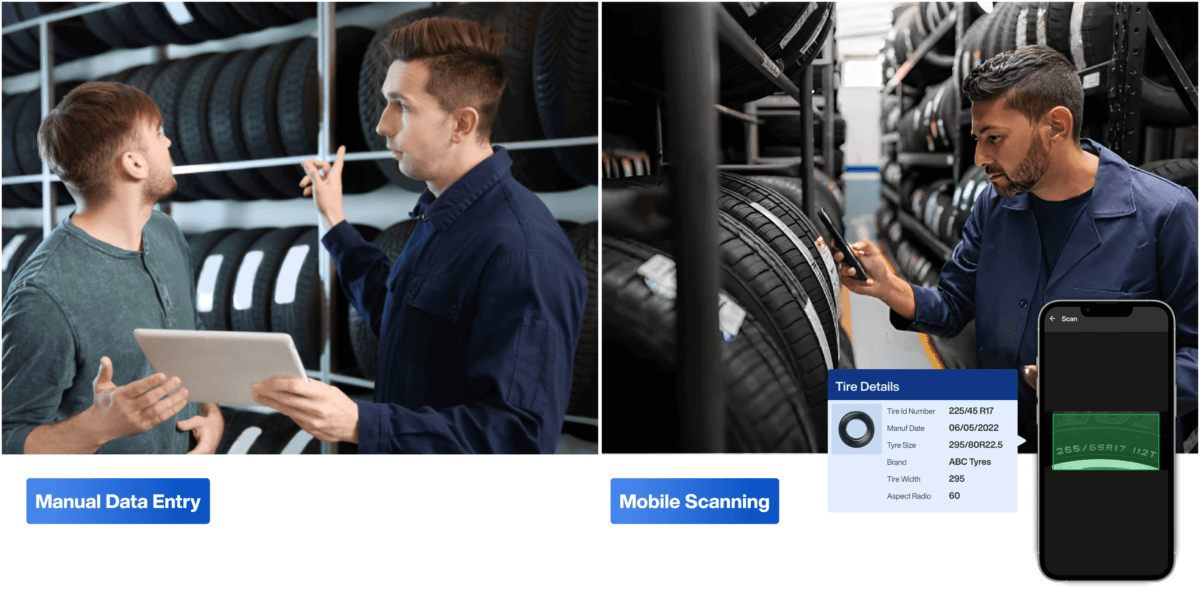
  • Automated Barcode & Sidewall Recognition Front-line staff scan tire barcodes and sidewall markings — DOT codes, size, brand — directly from the tire using the Scanflow mobile app, replacing manual transcription with a single camera pass.
  • AI-Based Invoice & Document Parsing Incoming supplier invoices are parsed automatically on capture, populating line items in Protractor without re-keying and cutting the lag between goods arriving and inventory reflecting it.
  • Automated Cycle Counts Scheduled and ad hoc counts run through the same mobile flow, replacing clipboard-and-spreadsheet counts with a scan-based process staff can complete in a fraction of the time.
  • Seamless Protractor ERP Sync Every scan writes directly into Protractor, so receiving, counts, and stock levels stay synchronized across the dealer management system without a separate reconciliation step.
  • Centralized Multi-Location Dashboard A shared dashboard gives Telle Tires visibility into stock levels, scan activity, and count status across every location, replacing site-by-site spreadsheets with one consistent view.

Onboarding Timeline

Scanflow followed its standard rapid-deployment framework, bringing Telle Tires to full production in approximately four weeks:

  • Week 1 — Solution configuration and Protractor integration setup.
  • Week 2 — Mobile app rollout and training for receiving and warehouse teams at pilot locations.
  • Week 3 — Cycle-count workflow validation and accuracy checks across pilot sites.
  • Week 4 — Full network rollout and dashboard go-live across all locations.

Business Impact

By replacing manual tire documentation and invoice entry with scan-based capture and a direct Protractor sync, Telle Tires established a standardized, real-time inventory process across every location.

Key Business Outcomes

  • 98–99% inventory accuracy across all locations — removing manual transcription as a source of error at receiving and during counts.
  • 3x faster shipment and receiving processing — cutting the time from goods arriving at the dock to their being reflected in Protractor.
  • Marked reduction in stock-outs and emergency restocking — catching discrepancies during routine scans instead of after they become a shortage.
  • Real-time, audit-ready records — every scan logged instantly, giving Telle Tires a traceable, exportable record of inventory movement.
  • A workflow that scales with the network — the same scan-verify-sync workflow runs at every site, so adding locations doesn't add a reconciliation problem.

Compliance & Traceability Improvements

  • Chain-of-custody style record for every unit — every scanned tire or shipment carries a timestamped, auditable trail from receiving through to stock update.
  • Faster audit and reporting readiness — stock reports and count histories are available on demand instead of being reconstructed from spreadsheets.
  • Better visibility for procurement — a shared, real-time view of stock supports more accurate reorder and replenishment decisions across the network.

Telle Tires gained robust digital control and complete asset traceability, transforming warehouse operations across the network with Scanflow.

The Scanflow deployment was built to extend to new Telle Tires locations without adding manual workload — each new site follows the same scan-verify-sync workflow and reports into the same centralized dashboard. As the network grows, inventory accuracy and audit readiness scale with it rather than becoming harder to maintain.

See How Scanflow Can Transform Your Tire Retail Operations

Book a personalized demo to see how Scanflow can automate asset identification, improve traceability, and scale your tire retail operations. Schedule a Demo

Pharmacist scanning medicine bottle label with a smartphone using Scanflow OCR

How Scanflow Automated Pharmaceutical Traceability for MSF

Scanflow Case Study

Médecins Sans Frontières (MSF)

AI-Powered OCR for Medicine Box Identification and Batch Traceability

Automated 12-digit code extraction from variable box descriptions
Structured Batch, lot, and expiry captured per box
Database-Ready Every scan mapped and stored automatically

Key Results

  • Removes manual reading of inconsistently formatted 12-digit codes
  • Batch number, lot number, and expiry date captured per box
  • Every scan mapped and stored directly to MSF's database
  • Built specifically for MSF's box-format variability

Products Used

  • Scanflow Description OCR Reader
  • Scanflow Code Extraction Engine
  • Scanflow Batch & Expiry Capture Module
  • Scanflow Database Mapping Connector

Customer Profile

Industry: Humanitarian Aid & Pharmaceutical Logistics

Business Focus: Global medicine supply and distribution for humanitarian operations

Use Case: Medicine box product code identification and batch/lot/expiry capture

Deployment Model: Client-specific OCR SDK integrated into MSF's box-scanning and database workflow

Overview

Médecins Sans Frontières (MSF) moves medicine boxes through a supply chain where every box carries a 12-digit product code — but that code isn't printed in a fixed, predictable format. It sits embedded within each box's printed description, which varies from manufacturer to manufacturer and product to product. Reading it manually meant interpreting each box individually, and capturing batch number, lot number, and expiry date added a second manual step prone to its own errors.

MSF engaged Scanflow to build a client-specific OCR SDK that could read each box's description, extract the correct 12-digit code regardless of formatting, and capture batch, lot, and expiry data — all mapped and stored automatically.

Business Challenge

  1. 01No Fixed Format for the 12-Digit Code — Each medicine box's 12-digit product code is embedded within its printed description rather than printed in a consistent, standalone location — meaning format and position vary by manufacturer and product line.
  2. 02Manual Reading Couldn't Scale Consistently — Identifying the correct code required a person to read and interpret each box's description individually, a process too slow and inconsistent to sustain at the volume MSF's supply chain moves through.
  3. 03Batch, Lot, and Expiry Capture Added Manual Risk — Recording expiry date, batch number, and lot number by hand introduced the same transcription risk as manual code reading, on data that matters directly for compliance and traceability.
  4. 04No Standard Template Could Cover Every Box — Because format varies box to box, a single fixed-position scanning template couldn't reliably work across MSF's full range of medicine packaging.

The Scanflow Solution

Scanflow built a client-specific OCR SDK for MSF that reads each box's printed description, extracts its 12-digit product code regardless of format or position, and captures batch, lot, and expiry data alongside it — mapping every field directly into MSF's database.

  • Description-Based OCR Reading The SDK reads the full printed description on each medicine box, rather than relying on a fixed code location or format.
  • Intelligent 12-Digit Code Extraction The system analyzes the OCR'd description text to identify and extract the correct 12-digit code, adapting to formatting differences from box to box.
  • Batch, Lot & Expiry Capture A batch-scanning step captures expiry date, batch number, and lot number for the same box, alongside the extracted product code.
  • Automatic Database Mapping Every extracted field — code, batch, lot, and expiry — is mapped and written directly to MSF's database, with no manual entry step.

Onboarding Timeline

Placeholder — confirm actual onboarding phases and dates with the MSF project team before publishing. Suggested structure:

  • Week 1 — description samples collected and SDK calibrated to MSF's box formats
  • Week 2 — pilot testing against known codes and batch records
  • Week 3 — accuracy validation and refinement
  • Week 4 — full rollout and database integration go-live

Business Impact

By replacing manual code reading and manual batch/lot/expiry logging with a single OCR-driven scan, MSF gets a consistent, database-backed record for every medicine box — without depending on a fixed label format.

Key Outcomes

  • Eliminates manual code reading — removing the need to interpret each box's description by hand.
  • Adapts to format variability — extracts the correct 12-digit code regardless of how or where it's printed within the description.
  • Reduces batch data transcription risk — expiry date, batch number, and lot number captured directly from the scan.
  • Database-ready from the point of scan — every field mapped and stored automatically, with no manual entry step.

Traceability & Compliance

  • Every box carries a code, batch, lot, and expiry record captured at the point of scan
  • Consistent capture supports audit and regulatory reporting needs across MSF's supply chain

Built for MSF's Specific Format Challenge

The SDK was purpose-built around MSF's actual packaging variability rather than a generic, one-size-fits-all label template — designed to extend to new box formats as MSF's supply chain evolves.

Note: No quantified metrics (accuracy rate, error-reduction percentage, volume of boxes processed) have been confirmed for this deployment. Add specific figures here once available from MSF or the project team — do not publish estimated numbers in their place.

MSF strengthens medicine box traceability with Scanflow, helping ensure every box's identity and batch record is captured accurately, automatically, and ready for audit.

See How Scanflow Can Support Your Pharma & Humanitarian Supply Chain

Schedule a Demo

Scanflow is an AI-enabled visual intelligence platform from OptiSol Business Solutions, purpose-built for asset identification, inventory automation, and visual inspection across tire, ITAD, solar, VIN, and quality-control workflows.

Technician inspecting Bonfiglioli motor assembly with a tablet on the factory floor

How Scanflow Delivers Automated Assembly Verification for Bonfiglioli

Scanflow Case Study

Bonfiglioli

Automated Assembly Verification and Serial-Linked Quality Records for Motor Manufacturing

Scanflow is an AI-enabled visual intelligence platform from OptiSol Business Solutions, purpose-built for asset identification, inventory automation, and visual inspection across tire, ITAD, solar, VIN, and quality-control workflows.

Every Unit Serial-scanned and orientation-checked
Real-Time Automated pass/fail decision at the station
Zero Re-Entry Results logged straight to the database

Key Results

  • Every motor is serial-scanned and orientation-checked before it clears the station
  • Missing parts are caught automatically — no incomplete build passes
  • Passing units are logged to the database with their serial number, no manual entry
  • Failing units are flagged immediately, before they move downstream

Products Used

  • Scanflow Serial Recognition Engine
  • Scanflow Orientation Verification Module
  • Scanflow Missing-Part Detection Engine

Customer Profile

Industry: Industrial Automation & Power Transmission

Business Focus: Gearmotors, drive systems, planetary gearboxes, and inverters for industrial automation, mobile machinery, and renewable energy

Use Case: End-of-Line Motor Assembly Verification & Serial-Linked Quality Records

Deployment Model: AI-powered camera station on the assembly line, integrated with the QC database

Overview

Bonfiglioli is a family-run Italian manufacturer of gearmotors, drive systems, planetary gearboxes, and inverters, serving industrial automation, mobile machinery, and renewable energy customers around the world. Every motor that leaves the line carries a unique serial number, and that identity has to be established, verified against a complete build, and matched to a pass or fail result before the unit can move downstream.

At the point of assembly, three things have to happen for every single unit: its serial number has to be captured, its components have to be checked for correct orientation, and the build has to be confirmed complete. Missing even one part, or getting an orientation wrong, is the kind of defect that is easy for a rushed manual check to miss and costly to catch later. Bonfiglioli engaged Scanflow to move that verification onto an automated, real-time inspection station tied directly to its quality database.

Business Challenge

Verifying every motor's identity and build completeness by hand left gaps at exactly the point where Bonfiglioli needed certainty:

  1. 01Manual Serial Number Capture at End of Line Operators read and logged each motor's unique serial number by hand or with a handheld scanner, a process that slowed throughput and left room for transcription errors at the point where a unit's identity is first recorded.
  2. 02Inconsistent Orientation Checks Confirming that components were assembled in the correct orientation depended on an operator's eye, run after run a subtle misalignment was easy to miss under production pace.
  3. 03Missing Parts Escaping Detection A missing component is one of the easiest defects to overlook visually at speed, and any build that passed with a part missing carried that gap downstream, undetected until it surfaced later.
  4. 04Inspection Results Disconnected from Records Pass/fail outcomes were not consistently tied to a motor's serial number in a queryable database, weakening traceability for any downstream quality review, audit, or recall.

The Scanflow Solution

Scanflow deployed an AI-powered inspection station on Bonfiglioli's assembly line that captures a motor's serial number, verifies orientation, checks for missing parts, and renders a pass/fail decision automatically, at the point of assembly, before the result is written directly to the quality database.

  • Automated Serial Number Recognition A camera reads each motor's unique serial number as it reaches the station, establishing the unit's identity before any other check runs.
  • Orientation Verification Scanflow checks that components are assembled in the correct orientation, flagging any misalignment automatically rather than relying on a visual pass by an operator.
  • Missing-Part Detection The vision model checks the build against its expected components, flagging any motor that is missing a part before it can proceed.
  • Automated Pass/Fail Gate If any check fails a missing part or an orientation error the unit is flagged as a fail and held at the station. If every check clears, the motor passes automatically.
  • Direct Database Logging Passing results, together with the serial number and inspection data, are written straight to the database, creating a serial-linked quality record for every unit with no manual re-entry.

Onboarding Timeline

Scanflow followed its standard rapid-deployment framework to bring the inspection station to production in approximately four to six weeks:

  • Solution configuration mapping the serial number location, orientation checkpoints, and expected part list for the target motor line.
  • Camera setup installing and calibrating the camera at the inspection station.
  • AI model deployment tuning serial recognition, orientation, and missing-part detection models to Bonfiglioli's motor variants.
  • Database integration connecting the pass/fail gate and inspection results to the quality database.
  • Validation and performance testing verifying detection accuracy and pass/fail logic under live assembly conditions.
  • Production deployment full go-live on the pilot line, with a path to extend to additional lines and motor variants.

Business Impact

By replacing manual serial capture and visual checks with an automated, database-connected inspection station, Bonfiglioli established a consistent, traceable verification step for every motor that reaches the end of the line.

Key Business Outcomes

  • Missing-part checks run on every unit no motor with an incomplete build clears the station undetected.
  • Orientation errors caught at the source misalignment is caught at the point of assembly instead of surfacing further downstream.
  • Database-backed quality records for every unit every passing unit carries a serial-linked record written automatically, with no manual data entry.
  • Failing units flagged and stopped in real time incomplete or misassembled units are held immediately rather than moving further down the line.
  • Consistent inspection criteria across shifts pass/fail decisions run on the same automated checks every time, removing operator-to-operator variation.

Traceability Improvements

  • A permanent, queryable link between unit and result every motor's inspection outcome is tied to its unique serial number in the database.
  • Faster response to quality reviews and audits quality records can be pulled up by serial number for any downstream review or customer query.
  • Uniform records across the entire line the same verification sequence applies to every unit, independent of shift or operator.

Building a Scalable Foundation

The Scanflow deployment was designed to extend to additional lines and motor variants without adding manual inspection steps — each new line runs the same serial-scan, orientation-check, and missing-part detection sequence, feeding the same database. As Bonfiglioli's production scales, every motor keeps a verified build and a traceable, serial-linked record from the point of assembly onward.

Bonfiglioli established a consistent, traceable verification step for every motor that reaches the end of the line, with serial-linked quality records written automatically to the database.

See How Scanflow Can Transform Your Manufacturing Quality Operations

Book a personalized demo to see how Scanflow can automate assembly verification, improve traceability, and scale your manufacturing quality operations. Schedule a Demo

Operator using Scanflow mobile app to verify Mercedes-Benz hornpad logo inside a truck cab on the assembly line

How Scanflow Delivers Mobile Brand Verification for Daimler

Scanflow Case Study

Daimler

Mobile VIN & Hornpad Logo Verification to Prevent Brand Mix-Ups on a Shared Line

Scanflow is an AI-enabled visual intelligence platform from OptiSol Business Solutions, purpose-built for asset identification, inventory automation, and visual inspection across tire, ITAD, solar, VIN, and quality-control workflows.

Mobile Based Verification done from a handheld scan
VIN Matched Hornpad logo checked against the correct brand
MES Verified Match confirmed directly against MES records

Key Results

  • Truck VIN and hornpad logo are scanned together on a mobile device
  • The hornpad logo is checked against the brand expected for that VIN in MES
  • Mismatched brand logos are flagged before the vehicle moves on
  • The check runs on a mobile solution, without requiring a fixed station

Products Used

  • Scanflow Mobile Scanning App
  • Scanflow VIN Recognition Engine
  • Scanflow Logo Verification Module
  • Scanflow MES Match Connector

Customer Profile

Industry: Commercial Vehicle Manufacturing (Trucks & Buses)

Business Focus: Manufacture and assembly of multiple commercial vehicle brands on a shared production line

Use Case: Mobile VIN & Hornpad Logo Verification Against MES Brand Records

Deployment Model: Mobile scanning app used on the line, checking captures against MES

Overview

Daimler's commercial vehicle plant builds multiple brands on the same production line, sharing components, stations, and, in some cases, similar-looking parts across brands. A hornpad carrying the wrong brand logo is exactly the kind of mix-up that can happen during manual handling on a shared line, and one that isn't always obvious without checking it against the build record.

Daimler engaged Scanflow to put a mobile scanning solution directly in the hands of line staff: scan the truck's VIN, scan the hornpad and its logo, and check automatically whether the two match what MES expects for that specific vehicle.

Business Challenge

Building multiple brands on one shared line created a specific risk: a brand-critical part fitted to the wrong vehicle, without an easy way to catch it in the moment:

  1. 01Shared Lines Increase Brand Mix-Up Risk Building multiple brands on the same line and stations means components that differ only by logo or badge, like a hornpad, can be misrouted to the wrong vehicle during manual handling.
  2. 02Logo Mismatches Are Easy to Miss Visually A hornpad carrying the wrong brand logo doesn't necessarily look wrong at a glance, especially at normal line pace, making it a defect that a visual-only check can miss.
  3. 03No Direct Check Against MES at the Point of Assembly Confirming that a truck's VIN and its hornpad matched the correct brand meant cross-referencing build records separately, rather than checking it in real time as the part was fitted.
  4. 04Fixed-Station Inspection Doesn't Fit Every Checkpoint Not every point where a hornpad could be mismatched had a fixed inspection station, leaving some checks dependent on manual attentiveness alone.

The Scanflow Solution

Scanflow deployed a mobile scanning app that captures a truck's VIN and its hornpad logo together, checking the pairing against MES in real time to confirm the brand is correct for that specific vehicle.

  • Mobile VIN Capture Line staff scan the truck's VIN directly from a mobile device, without needing a fixed station.
  • Hornpad & Logo Capture The same mobile scan captures the hornpad and its brand logo.
  • Automatic MES Cross-Check Scanflow checks the scanned VIN and hornpad logo against MES to confirm the brand matches what's expected for that specific vehicle.
  • Real-Time Mismatch Flagging If the hornpad logo doesn't match the brand expected for that VIN, the mismatch is flagged immediately, before the vehicle moves further down the line.
  • Mobile-First Coverage Because the check runs on a mobile app rather than a fixed station, it can be applied at any point on the line where a hornpad is fitted or verified.

Onboarding Timeline

Scanflow followed its standard rapid-deployment framework to bring the mobile verification workflow to production in approximately four to six weeks:

  • Solution configuration mapping VIN-to-brand rules in MES and the hornpad and logo variants across brands.
  • Mobile app rollout deploying the mobile scanning app and training line staff on its use.
  • AI model deployment tuning logo recognition across the brand variants on the line.
  • MES integration connecting the mobile app's VIN and logo captures to MES for real-time cross-checking.
  • Validation and performance testing verifying match accuracy and mismatch flagging under live line conditions.
  • Production deployment full go-live on the pilot checkpoint, with a path to extend to additional checkpoints and parts.

Business Impact

By checking VIN and hornpad logo together against MES on a mobile app, Daimler put a direct, real-time brand verification step in place on a shared multi-brand line.

Key Business Outcomes

  • Hornpad brand mismatches are caught by checking directly against MES not by relying on a visual-only check.
  • VIN and hornpad logo are verified together at the point where the part is fitted or checked.
  • The mobile-based approach extends coverage to checkpoints that don't have a fixed inspection station.
  • Mismatches are flagged in real time before a truck with the wrong brand hornpad moves further down the line.

Brand Assurance Improvements

  • Every VIN-to-hornpad check is verified against the same MES brand record removing dependence on manual cross-referencing.
  • A mobile-first approach so verification isn't limited to fixed stations.
  • Consistent checks support brand assurance across a shared, multi-brand production line.

Building a Scalable Foundation

The Scanflow deployment was designed to extend to other brand-specific components beyond the hornpad, and to additional checkpoints along Daimler's shared multi-brand line, using the same mobile capture and MES cross-check approach.

Daimler strengthened brand assurance on a shared multi-brand line with Scanflow, catching hornpad-to-VIN mismatches in real time, wherever line staff need to check.

See How Scanflow Can Verify Brand-Critical Parts Against Your MES

Book a personalized demo to see how Scanflow can verify VIN-to-part matches on a mobile app, checked directly against your MES. Schedule a Demo

Blogs

blog-img

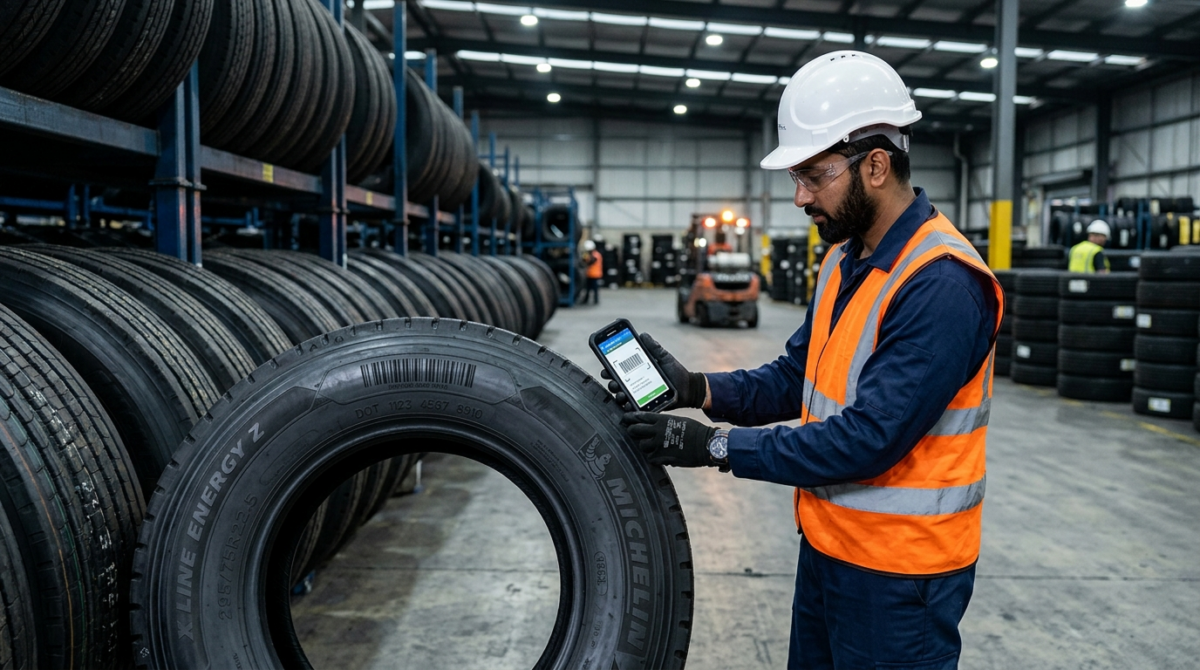
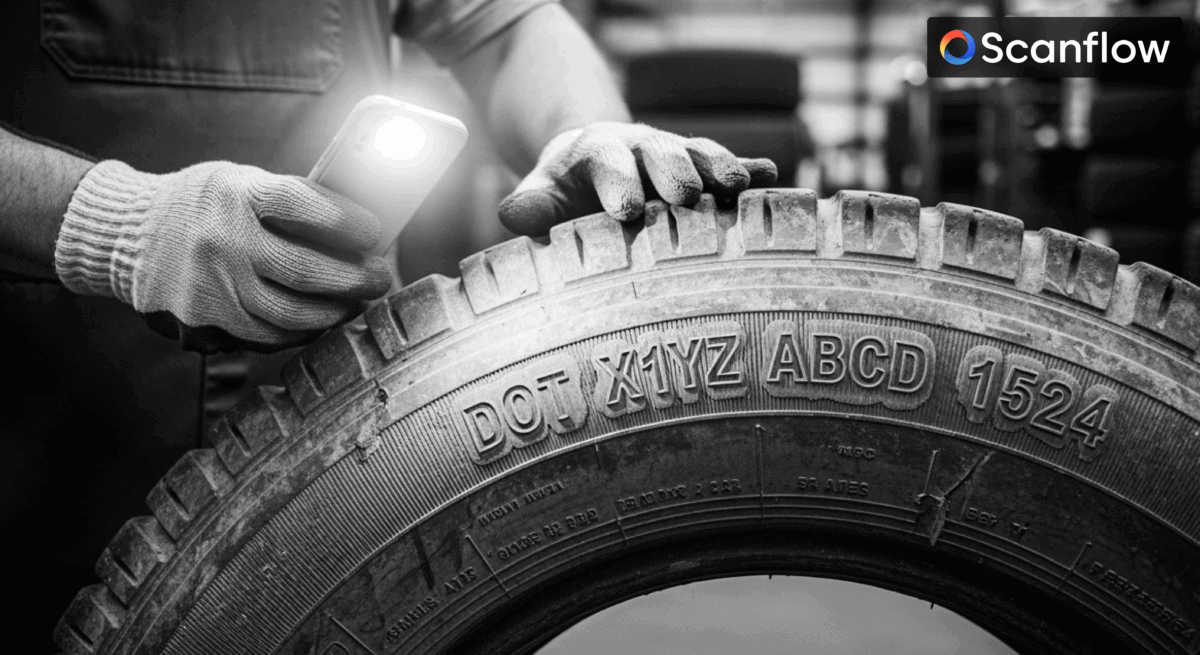
The Comprehensive Guide to Tyre Sidewall Scanning in Flutter
4 Mins read
blog-img

Why Visual Grading Is the Bottleneck in IT Asset Resale

5 Mins read
blog-img

Why Some Solar Defects Are Invisible Until They’ve Already Cost You Power

6 Mins read
blog-img

Scan Tire DOT Numbers with Your Smartphone: Fast & Accurate Tire Identification

3 Mins read
blog-img

How AI VIN Scanning Cuts Gate Check-In Time And Reduces Condition Dispute Liability

8 Mins read
blog-img

How Solar Panel Manufacturers Lose Warranty Claims Due to Poor Serial Number Tracking

9 Mins read
blog-img

Why Manual Visual Inspection Fails In High-Temperature Casting Environment

7 Mins read
blog-img

How ITAD Companies Fail Compliance Audits — And How Asset Tracking Software Prevents It

7 Mins read
blog-img

Why AI Tire Scanning Has Become the Compliance Backbone of Modern Fleets in 2026

9 Mins read
blog-img

ITAD Compliance & Audit Trails in 2026: AI Scanning Protects Your Business

8 Mins read
blog-img

AI-Enabled Barcode Scanning vs Traditional Scanning

10 Mins read
blog-img

How does AI-based visual inspection improve manufacturing quality?

12 Mins read
blog-img

Why Solar Panel Serial Number Traceability Is Critical for Warranty and Claims?

10 Mins read
blog-img

Best Tire Identification Number (TIN) Scanning Methods for Manufacturers

8 Mins read
blog-img

How AI Scanning Helps Solar Companies Pass Audits Faster?

6 Mins read
blog-img

ITAD Maturity Checklist: 5 Levels for Modern IT Asset Disposition

7 Mins read
blog-img

End-to-End Tire Traceability Using Tire SDK Scanning

8 Mins read
blog-img

Best Practices for Solar Panel Barcode Labeling & Scanning

5 Mins read
blog-img

The 2026 ITAD Guide to Unlocking Asset Recovery Revenue

9 Mins read
blog-img

How AI Is Transforming Solar Panel Identification & Asset Management

8 Mins read
blog-img

How AI Tire Scanning Improves Quality Control & Compliance

5 Mins read
blog-img

How AI Barcode Scanning Improves Solar Panel Traceability & Compliance

5 Mins read
blog-img

Managing Large-Scale IT Asset Refresh: A Guide for ITAD Providers 

14 Mins read
blog-img

How to Automate Solar Panel Serial Number Scanning in Manufacturing & Installation

12 Mins read
blog-img

Mobile vs Fixed Camera Systems: Which Is Better for Tire Serial Number Scanning

5 Mins read
blog-img

Common Challenges in Tire DOT Code Scanning and How AI Solves Them

3 Mins read
blog-img

Types of Barcodes: Choosing the Right Barcode

8 Mins read
blog-img

How Tire Recycling Companies Can Avoid Costly Compliance Fines in 2025

3 Mins read
blog-img

Scanflow Tire Sidewall Capture: Deep Technical Insights

5 Mins read
blog-img

How Ohio Manufacturers Use Tire Sidewall Scanning to Eliminate Tire Mix-Ups

7 Mins read
blog-img

The Role of AI Tire Sidewall Scanning in Next-Gen EV Production Across Michigan USA

5 Mins read
blog-img

How to Ensure Traceability of Scrap Tires from Intake to Processing Using AI Scanning

4 Mins read
blog-img

Why Intelligent Tyre Traceability Is Becoming Standard Practice for European Distributors 

4 Mins read
blog-img

Comparison Guide: Scanflow Tire Sidewall Scanner vs. Drive-Over Scanners vs. Gauges

4 Mins read
blog-img

Top 5 Reasons US Tire Distributors Are Switching to AI Tire Sidewall Scanners

3 Mins read
blog-img

How tire distributors can reduce inventory errors by 96% with tire sidewall scanning

6 Mins read
blog-img

Why Tire Shops Need a Tire Sidewall Scanner

4 Mins read
blog-img

How Tire Sidewall Scanner for Commercial Vehicles is Optimizing Fleet Operations

3 Mins read
blog-img

Why Capturing Tire Sidewall Data is Critical in Tire Assembly Operations

5 Mins read
blog-img

How 3PL Providers Use Mobile Serial Number Scanning to Enhance Traceability

4 Mins read
blog-img

What does DOT/TIN data really mean for scrap tire traceability and reporting? 

3 Mins read
blog-img

How Inconsistent Manifests in Texas Slow Down Tire Scrap Transport and Disposal

3 Mins read
blog-img

Top 5 Benefits of Smart Scanning Solution for Tire Scrap and Recycling Businesses with Scanflow

2 Mins read
blog-img

Why Traceability is Key for Tyre Movement Between Warehouses and Retailers

3 Mins read
blog-img

Top 5 Reasons Supply Chains Fail Without Centralized Container Information

3 Mins read
blog-img

Why Suppliers Are Moving to Mobile SDKs for Cargo Data Capture

3 Mins read
blog-img

5 Warehouse Challenges Solved by Scanflow Pick and Pack Solution

3 Mins read
blog-img

How to Automate Container Tracking and Yard Operations in Truck Transportation

3 Mins read
blog-img

How Tire Scrap Yards Are Going Paperless with Mobile AI Scanning

3 Mins read
blog-img

How to Eliminate Label Scanning Errors in High Volume Warehouses

2 Mins read
blog-img

How Scanflow AI SDK Transforms Barcode and QR Code Scanning

2 Mins read
blog-img

The Ultimate Guide to Automating Asset Identification in Warehouse and Logistics Operations

3 Mins read
blog-img

How AI Scanner Help Capture TIN and DOT Numbers to Enable Smarter Tire Tracking

2 Mins read
blog-img

How to scan barcodes in low light or with damaged codes using AI

2 Mins read
blog-img

Real Time Defect Detection with AI on the Line

3 Mins read
blog-img

Top 5 Ways Asset Identification Transforms Pharma Pick and Pack Operations

3 Mins read
blog-img

Improving Liquor Packaging with Automated Foreign Particle Detection and Label Orientation Verification

3 Mins read
blog-img

Inventory Management and Data Traceability in Pharma Distribution

3 Mins read
blog-img

From Contamination to Cracked Seals: The Hidden Risks AI Visual Quality Checks Can Catch

2 Mins read
blog-img

Top 5 Industries that can’t afford to ignore AI Visual Inspection to ensure Quality Control
3 Mins read
blog-img

End of line AI visual inspection for heavy vehicles: ensuring cockpit switch, fitment, and alignment accuracy with AI

2 Mins read
blog-img

How Tire Sidewall Scanning using AI is transforming tire warehousing in Automotive Manufacturing

3 Mins read
blog-img

How AI is Transforming Data Capture Across Industries

4 Mins read
blog-img

Revolutionizing Car Door Component Inspections with Scanflow’s Vision Intelligence technology

2 Mins read
blog-img

Identifying Coil Spring Damage: AI-Driven Detection for Cracks, Holes, and Dents

2 Mins read
blog-img

The Future of Visual Inspection for Automotive Manufacturing: AI Scanning Solutions in 2024

2 Mins read
blog-img

Building an Advanced Scratch Detection System with YOLOv8x-seg

3 Mins read
blog-img

Enhancing Construction Site Safety with Automated PPE Detection Systems

5 Mins read
blog-img

The Rise of Visual Intelligence: Top 5 AI Products to Watch in 2024

3 Mins read
blog-img

Ensuring Gearmotor Reliability: A Look at Advanced Detection Systems

4 Mins read
blog-img

7 reasons why GPT-4o is the pivotal point in Industry 4.0

2 Mins read
blog-img

5 Key Benefits of Visual Inspection in Manufacturing

2 Mins read
blog-img

Carbon Soot detection using Custom Object Detection model

3 Mins read
blog-img

Container Scanning for Seamless Shipments: How Scanflow enhances efficiency of operations?

2 Mins read
blog-img

Top 5 Intelligent Data Capture Solutions Companies in 2025

3 Mins read
blog-img

Top 5 AI powered- Barcode Scanning Software companies

3 Mins read
blog-img

How Scanflow VIN number scanning enhances Quality Check in manufacturing?

3 Mins read
blog-img

Enhancing Manufacturing Efficiency: The Role of VIN Scanning Technology

2 Mins read
blog-img

Comparision between AI Scanner & Hardware scanners

2 Mins read
blog-img

How ID Scanning Streamlines KYC Processes?

2 Mins read
blog-img

Elevate Workforce Efficiency with smart ID Scanning Technology

1 minute
blog-img

Revolutionizing Healthcare: The Power of Intelligent Data Capture

2 Mins read
blog-img

Efficient Manufacturing Process: How Scanflow Improves workflow operations in Vehicle manufacturing industries

3 Mins read
blog-img

How AI transforms the future of data capture in manufacturing industries?

2 Mins read
blog-img

How do Smart Devices help Manufacturing industries in Data capture & Workflow automation?

2 Mins read
blog-img

Top Software Scanners For Workflow Automation In 2022

3 Mins read
blog-img

Intelligent Data Capture for a Hassle-Free Journey

2 Mins read
blog-img

5 Benefits of adopting Intelligent Data Capture for your Enterprise!

2 Mins read
blog-img

N-Shot learning for computer vision and OCR

3 Mins read
blog-img

Scanflow- An end-to-end Data Capture and Workflow Solution Provider for Industries

3 Mins read
blog-img

Top 5 Automation Technologies for Manufacturing Industries

3 Mins read
blog-img

One device -Infinite scanning solutions!

2 Mins read
blog-img

Improving Operational Efficiency and Reducing Downtime in Tire Manufacturing Process

3 Mins read
blog-img

Beyond Barcodes: The Future of Data Capture and Identification Technologies

2 Mins read
blog-img

Different types of Barcodes- How to choose the right one for your Industry

2 Mins read
blog-img

8 Best Practices for Achieving High Accuracy and Efficiency in software Scanning

2 Mins read
blog-img

Automating Data Capture: 5 Advancements in Scanning and Automation Technologies

4 Mins read
blog-img

Exploring the Role of Artificial Intelligence in Smart Data Capture

3 Mins read
blog-img

Barcode History: 5 Fascinating Facts You Probably Didn’t Know

2 Mins read
blog-img

Scanflow Intelligent Text Scanning – How It Works and Its Applications

2 Mins read
blog-img

The Role of data capture in Supply Chain Management and Inventory Control

2 Mins read
blog-img

Smart Data Capture for E-commerce: Streamlining Operations for a Seamless Shopping Experience

2 Mins read
blog-img

Enhancing Mobile Apps & backend systems with Scanflow smart data capture: Use Cases and Benefits

2 Mins read
blog-img

Enhancing Logistics Operations with Cost Reduction & workforce engagement with Scanflow!

2 Mins read
blog-img

Streamline Tire manufacturing: How Scanflow helps in Cost Reduction and Workforce Productivity!

2 Mins read
blog-img

Retail Indoor Navigation

2 Mins read
blog-img

5 Benefits of computer vision in Manufacturing Industries

1 minute
blog-img

Enhancing warehouse management with Scanflow Intelligent Data capture!

2 Mins read
blog-img

Smart Data Capture with Drones – Everything you need to know about Drone Scanning

2 Mins read
blog-img

Taking scanners to the Sky- All you need to know about Drone Scanning

2 Mins read
blog-img

Delight your retail customers with Self-checkout

2 Mins read
blog-img

Digitization of the Healthcare industry with Intelligent data capture

2 Mins read
blog-img

3 ways to empower the workforce with Smart ID scanning

2 Mins read
blog-img

Enhance the KYC process with Scanflow ID scanning software

2 Mins read
blog-img

Taking scanners to the Sky!  All you need to know about Drone Scanning

2 Mins read
blog-img

How Intelligent Text Capture automates pharmaceutical workflows in Healthcare Organizations?

2 Mins read
blog-img

How does Scanflow effectively captures container numbers for a seamless shipping process

2 Mins read
blog-img

Empower your customers with seamless Self-meter reading from their own devices!

2 Mins read
blog-img

How Intelligent Tire Scanning empowers workflow operations in manufacturing industries

2 Mins read

Point Of View

Developers

White Papers

Quality Control

Automating Quality Inspection: How AI Helps Workflow Automation and Enhances Accuracy & Efficiency 
296 min read

Sample Datasets

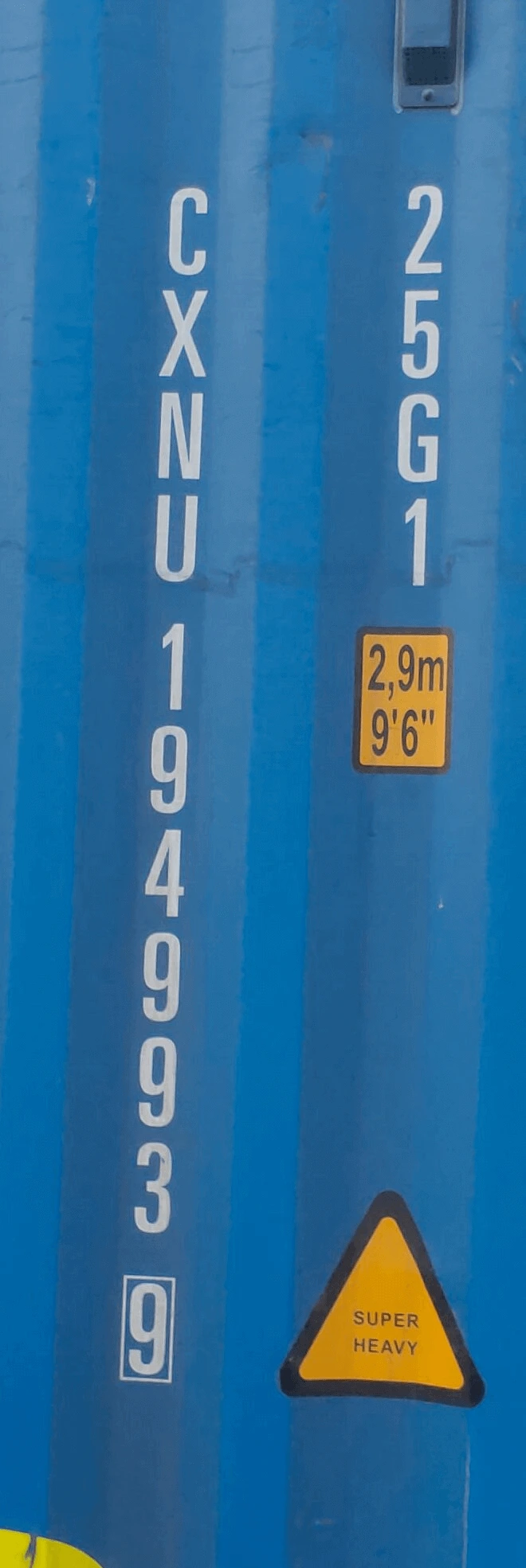
Container
ourstories-line
ourstories-img

Horizontal Sample 1

ourstories-img

Horizontal Sample 2

ourstories-img

Vertical Sample 1

ourstories-img

Vertical Sample 2

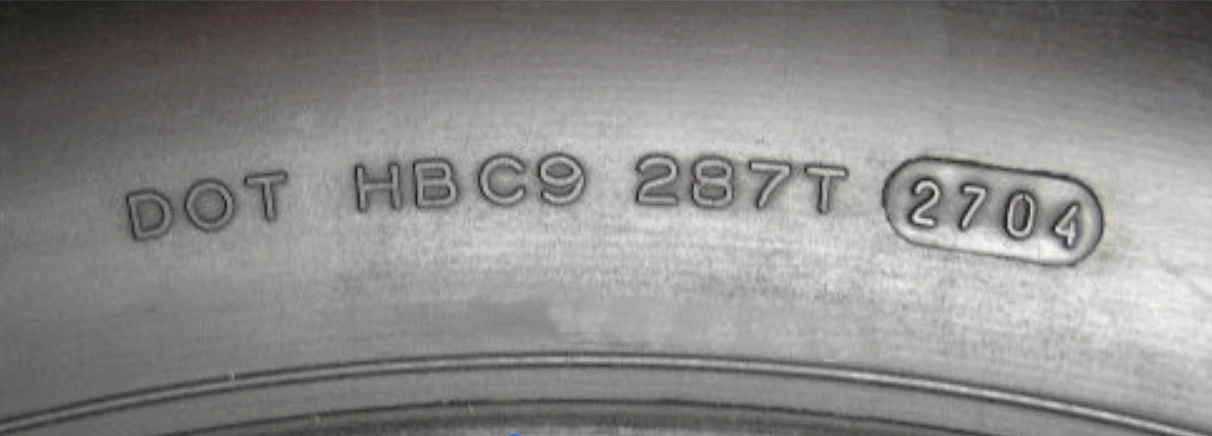
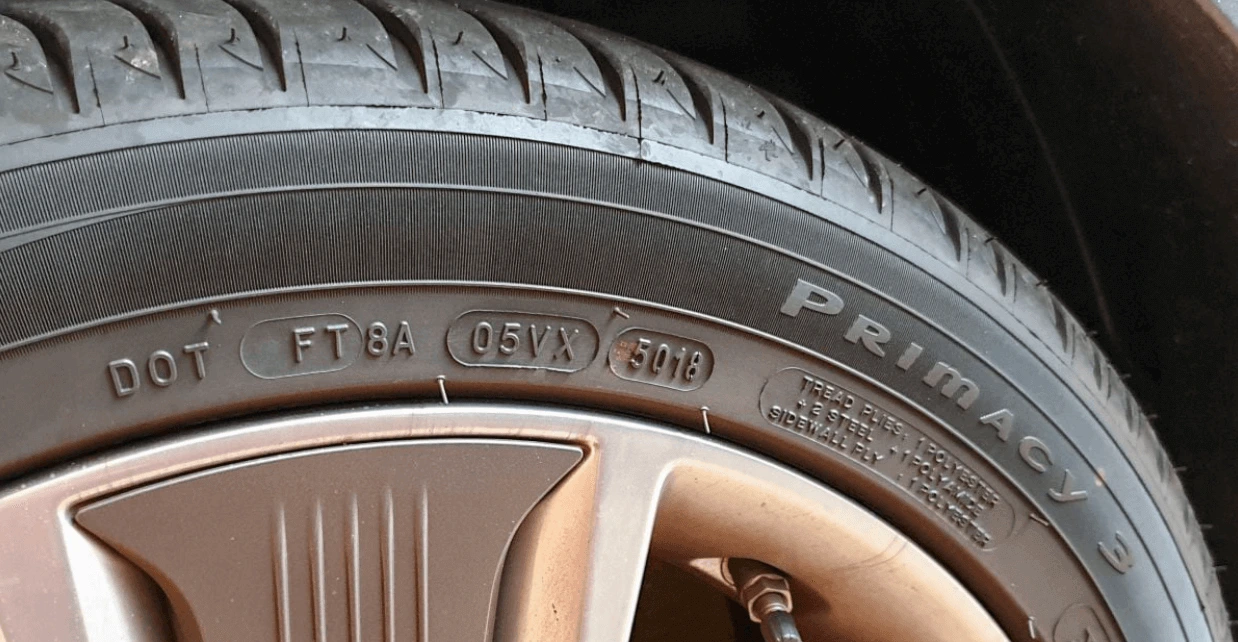
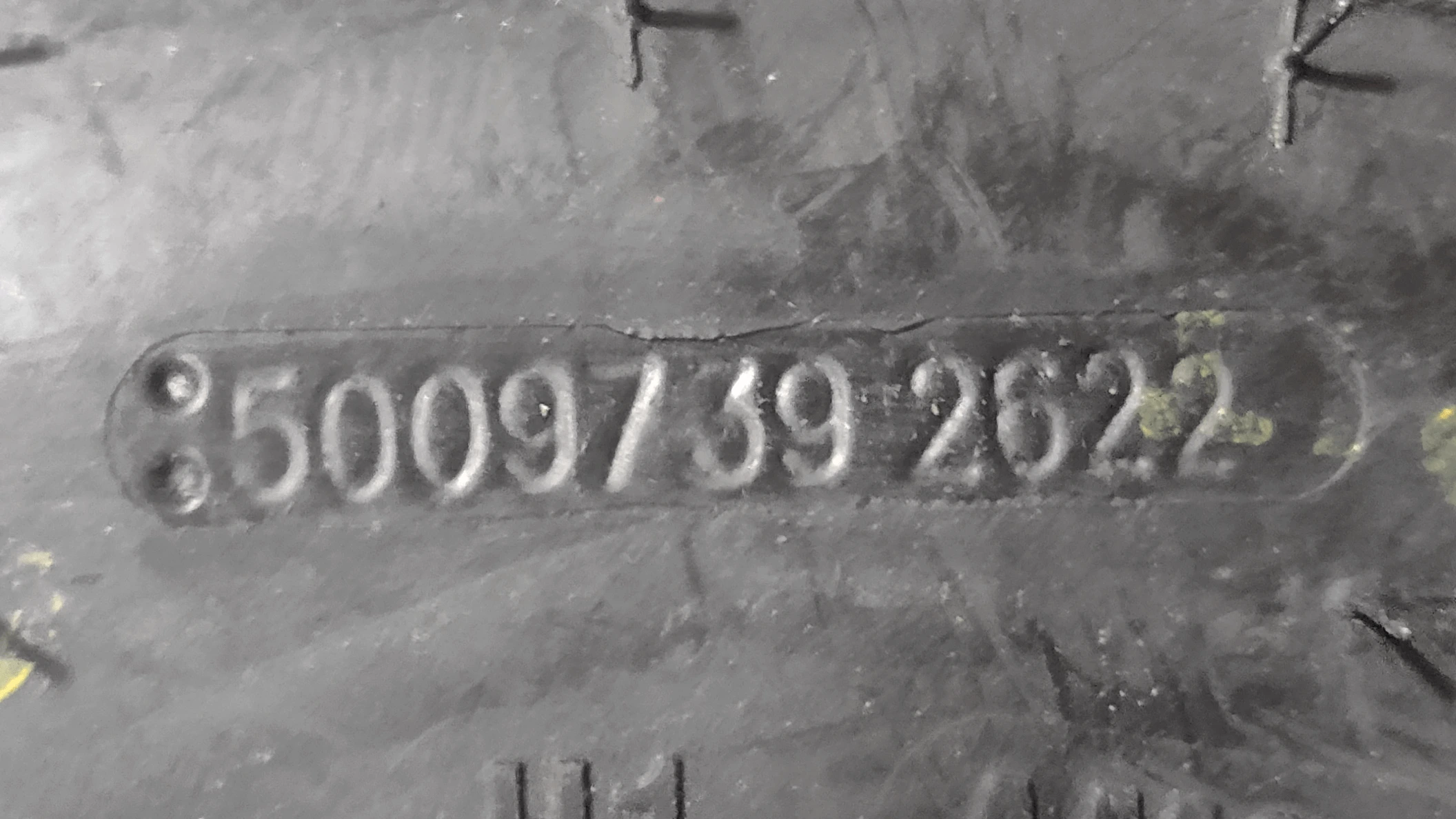
Tire Identification Number
ourstories-line
ourstories-img

DOT 1

ourstories-img

DOT 2

ourstories-img

Universal Number 1

ourstories-img

Universal Number 2

VIN Chassis
ourstories-line
ourstories-img

VIN Chassis White 1

ourstories-img

VIN Chassis White 2

ourstories-img

VIN Chassis Black 3

ourstories-img

VIN Chassis Black 4

VIN Plate
ourstories-line
ourstories-img

VIN Plate

VIN Sticker
ourstories-line
ourstories-img

VIN Sticker Sample 1

ourstories-img

VIN Sticker Sample 2

Universal
ourstories-line
ourstories-img

Universal 1

ourstories-img

Universal 2

ourstories-img

Universal 3

ourstories-img

Universal 4

ourstories-img

Universal 5

Sugarcane
ourstories-line
ourstories-img

GRADE A

ourstories-img

GRADE B

Switch Case
ourstories-line
ourstories-img

Switch Negative

ourstories-img

Switch Positive

Matrix Scan
ourstories-line
ourstories-img

Matrix Scan

Text Scan White Coated
ourstories-line
ourstories-img

Text Scan White Coated 1

ourstories-img

Text Scan White Coated 2

ourstories-img

Text Scan White Coated 3

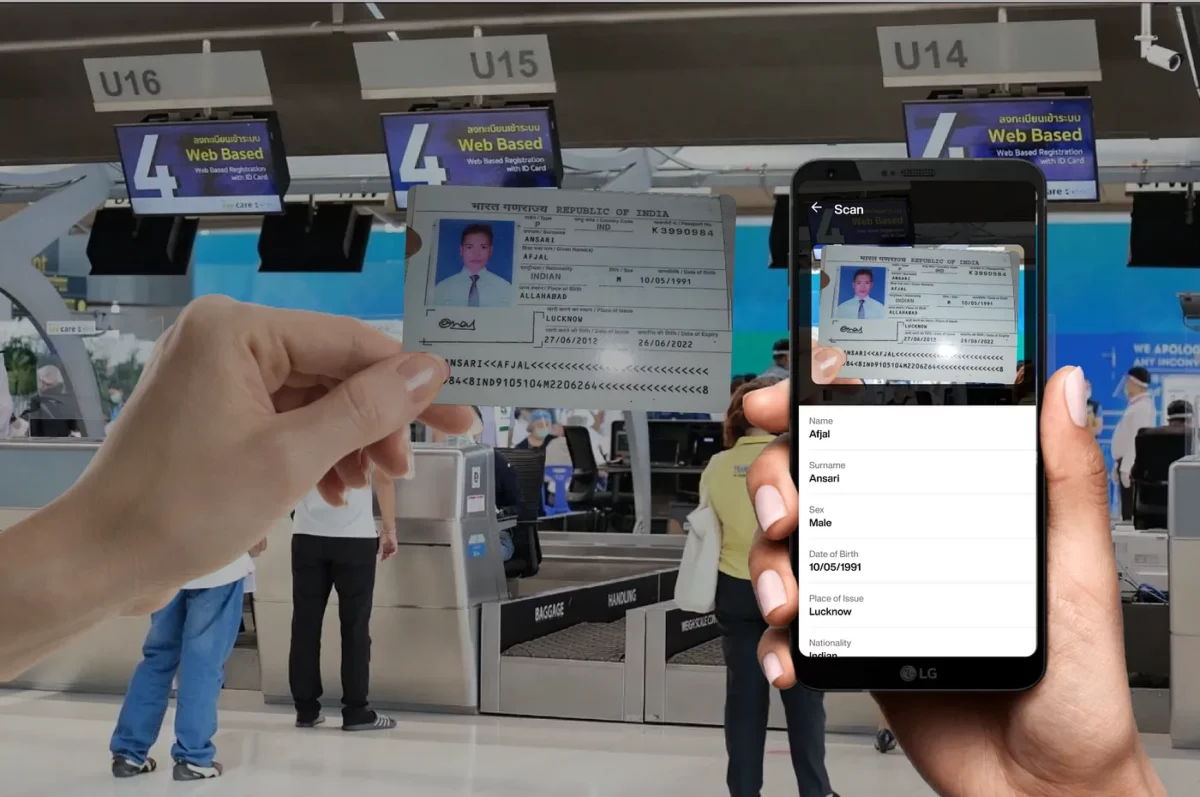
ID Card
ourstories-line
ourstories-img

ID Card

FAQ’s

What is an SDK?

An SDK is a software development kit, package of software development tools that can be installed to create applications. SDKs are commonly used in the development of mobile, web and software applications for various platforms such as iOS, Android, Windows, and more. They provide developers with the necessary tools and resources to create robust and feature-rich applications that can interact with the platform's capabilities. With Scanflow SDK you can implement Inteligent data capture solutions in your app, website or any smart device.

What platforms does Scanflow SDK support?

Our mobile SDK is developed for:

  • iOS
  • Android

It supports also common integration frameworks such as:

  • Xamarin
  • React Native
  • Flutter
  • Cloud API

It supports Backend Systems like

  • ERP
  • SAP
  • Dynamics 365
  • Warehouse Management Systems
  • Manufacturing Execution systems
  • POS systems

Where can I download the Scanflow SDK?

You can download the SDK: https://www.scanflow.ai/developer/

How can I get my free 30 day Scanflow SDK license?

You can request for SDK trial: https://www.scanflow.ai/developer/

Does Scanflow sell an app or an end-to-end solution?

Scanflow not just sell an scanning application, It goes beyond in automating workflow processes by enhancing the user experience.

What Scanflow SDK can scan?

The Scanflow SDK can scan:

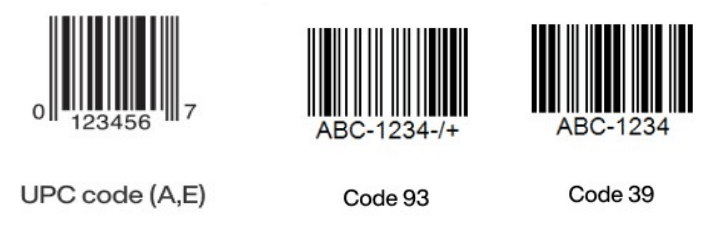
Barcodes

Tire Identification Numbers (TIN and DOT)

Container identification numbers

Identity cards

Driver‘s licenses

Digital meter readings

Passports

Serial numbers

Can I see Scanflow technology in action?

To see Scanflow technology in action, please take a look at our website https://www.scanflow.ai/ and learn how to get started with Scanflow SDK.

What is Scanflow data capture software?

Scanflow data capture software includes various features of barcode scanning, text, ID & object recognition, and other data capture tasks. It leverages the power of smart devices to capture data quickly and reliably for a seamless workflow process.

Scanflow data capture software is highly flexible and supports popular mobile platforms such as iOS and Android, allowing seamless integration with backend systems & business process applications.

Why should you use Scanflow SDK?

Scanflow SDK offers a powerful and flexible solution for developers seeking advanced data capture capabilities in their applications. Its cross-platform compatibility, ease of integration, enhanced user experience, scalability, and ongoing support make it a valuable choice for integrating data capture functionalities into various applications.

What is Scanflow & How does it work?

Scanflow is an AI scanner on smart devices for data capture and workflow automation

The Scanflow SDK combines the power of computer vision, machine learning, and augmented reality to enable fast and accurate data capture on smart devices such as smart phones, tablets, Drones,& wearables. It simplifies the integration process for developers and provides a comprehensive set of tools and functionalities to enhance the scanning capabilities of their applications.

How does licensing work on the Scanflow Web SDK?

Scanflow offers different licensing types based on the specific needs and requirements of your web application. These may include trial licenses, development licenses, and production licenses.

Trial License: Scanflow often provides a trial license that allows developers to access the Web SDK's functionalities before making a purchase decision. This trial period enables you to test and integrate the SDK into your web application.

Development/ Production License: Once you decide to move forward with the Scanflow Web SDK, you may acquire a development license. This license is typically used during the development phase and enables you to integrate and test the SDK within your web application.

The production license allows you to use the Web SDK and its data capture capabilities in your live application to support your end-users. The developers can use our console app to create Development & Production licenses.

Licensing Model: The licensing model, including pricing and terms, can vary based on usage volume, number of users and specific requirements of your web application.

Where does the Scanflow SDK store images on end-user machines? Are they encrypted?

Scanflow SDK does not store images captured on end-user machines by default. The SDK is designed to process the images in real-time and provide the decoded data to the application for further processing or display. The captured images are typically not stored locally on the end-user device unless explicitly implemented by the application developer. Scanflow does not leave or store Personal information on the device and it is highly encrypted.

How can I get in contact with Scanflow customer support?

For customer support, Sign up at https://www.scanflow.ai/get-in-touch/

Do I need a license key to develop with Scanflow?

Yes, you need trail license to develop Scanflow sample application and the development and production required subscribed license keys.

Can I extend my trial version?

Yes, you can extend your trial by regenerating your license against platforms in your  https://console.scanflow.ai/login Subsequent extension requests can be requested via the dashboard.

Where the data is stored. Is it on their environment or within Scanflow's infrastructure?

Scanflow doesn’t leave / store any PII data within the user’s device. 

Scanflow will not transfer or store any data in Scanflow’s infrastructure. The scanned data and any processing required would remain on the device and not be sent to external servers. Since the SDK works completely offline. Integrating Scanflow Document SDK - Your documents are only stored on your device by default unless you explicitly choose to have them exported or saved elsewhere. All the documents have been encrypted and archived in app’s location and is not explicitly visible to the user.

What are the security measures of Scanflow and the process of data transfer

  • The Data transmitted between the user's device and Scanflow’s servers is typically encrypted using protocols like SSL/TLS to prevent unauthorized access to sensitive information. Typically for license verifications. 
  • Secure authentication mechanisms are used to ensure that only authorized users and devices can access Scanflow’s services. Access control is enforced to limit access based on roles and permissions. 
  • Scanflow SDK’s are performed under regular security audits and assessments are conducted to identify vulnerabilities and ensure compliance with industry security standards. 
  • Scanflow likely follows secure coding practices during the development of their software to minimize the risk of vulnerabilities and security flaws. 
  • Scanflow has an incident response plan in place that helps to address any security breaches or incidents promptly and effectively. 
  • Scanflow ensures that employees are well-trained in security awareness and best practices help prevent internal security breaches. 
  • Scanflow document SDK will not transfer any data to the cloud, and it stores the file in user’s device app’s location securely. All the files have been encrypted using efficient cryptographic algorithm and that can’t be either revealed by any 3rd party apps or by the user manually. This can be decrypted only thru Scanflow SDK during export of the file in specified format.

How do you validate the accuracy of Scanflow

  • Accuracy is a key metric of Scanflow SDKs. 
  • Validating the accuracy of Scanflow’s scanning technology involves testing its performance under various conditions to ensure it can consistently and accurately decode different types of barcodes and text. 
  • Validate the technology's accuracy with different camera qualities and resolutions, as different devices have varying camera capabilities. 
  • You can measure the speed and efficiency of the scanning process to ensure that it meets the user’s expectations for quick and reliable scanning. 
  • Evaluate the technology's ability to avoid false positives (incorrectly identifying a non-barcode object as a barcode) and false negatives (failing to identify a valid barcode). 
  • We shall test the technology's performance under different lighting conditions (low light, bright light, natural light), angles, distances, and orientations. This helps ensure that the technology can reliably scan objects in real-world environments. 
  • Scanflow document SDK cleans the document with our proprietary filters. These filters clean up the background, the edges of the paper, remove artifacts, and ensure its legibility. They also ensure better accuracy for post-processing such as OCR. Our OCR engine can extract the text and layout from images. 

What are the differences between Tire VIN and DOT scanner.

TIN (Tire Identification Number) and DOT (Department of Transportation) number often refer to the same thing. Both terms are used to describe the unique code or number that is required to be present on the sidewall of every tire sold in the United States. This code provides important information about the tire's manufacturing, specifications, and compliance with safety regulations. 

 TIN (Tire Identification Number) is a broader term that encompasses the unique identification code assigned to each tire. This code includes the DOT number, which is a specific part of the TIN. The DOT number is a code issued by the U.S. Department of Transportation that includes information about the tire's manufacturing location, tire size, and other relevant details. 

So, while TIN is the general term for the entire identification number on a tire, DOT is a specific component of that number that relates to compliance with U.S. safety regulations. 

<< 1 >>


Why is Serial number scanning important in Quality Assurance?

Serial number scanning helps ensure that the right components or vehicles are used in production, preventing errors and defects, enhancing traceability, and ultimately improving the quality of the product.  

What are the benefits of implementing Scanflow serial number scanning in Quality Assurance?

Benefits include increased accuracy, reduced errors, enhanced traceability, improved quality control, and faster identification of defective parts or vehicles. 

How does serial number scanning work?

Serial number scanning typically involves using computer vision systems to read and decode the unique number on a vehicle or part. This information is then used to validate the item against a database or predefined criteria.

<< 1 >>


How does Scanflow improve inventory management?

Lorem ipsum dolor sit amet, consectetur adipiscing elit, sed do eiusmod tempor incididunt ut labore et dolore magna aliqua. Ut enim ad minim veniam, quis nostrud exercitation

How does Scanflow improve inventory management?

Lorem ipsum dolor sit amet, consectetur adipiscing elit, sed do eiusmod tempor incididunt ut labore et dolore magna aliqua. Ut enim ad minim veniam, quis nostrud exercitation

Can Scanflow work with my existing retail software?

Lorem ipsum dolor sit amet, consectetur adipiscing elit, sed do eiusmod tempor incididunt ut labore et dolore magna aliqua. Ut enim ad minim veniam, quis nostrud exercitation

Does Scanflow support bulk scanning? 

Lorem ipsum dolor sit amet, consectetur adipiscing elit, sed do eiusmod tempor incididunt ut labore et dolore magna aliqua. Ut enim ad minim veniam, quis nostrud exercitation

<< 1 >>