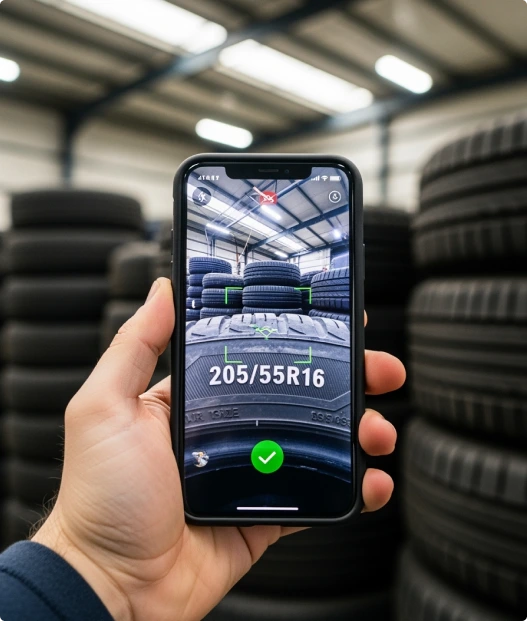
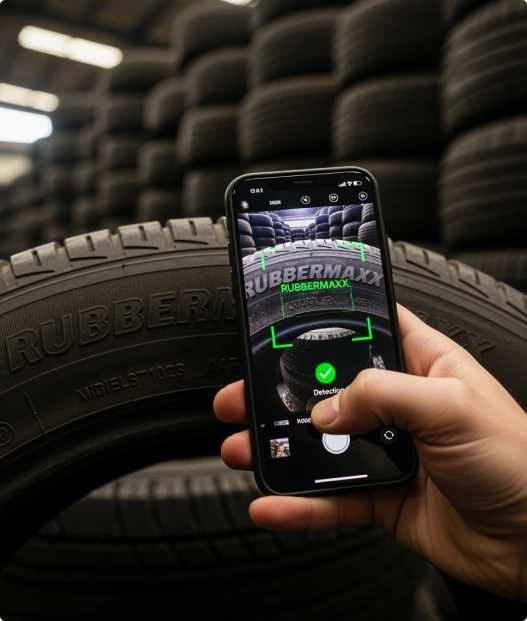
Tire Sidewall SDK automates scanning instant and accurate capture of TIN/DOT, size, and serial numbers.
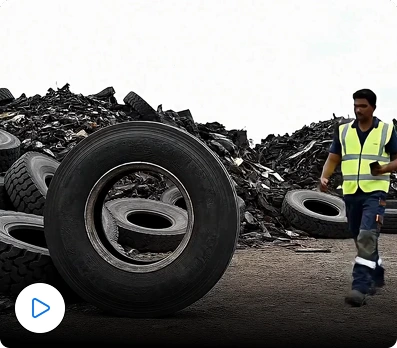
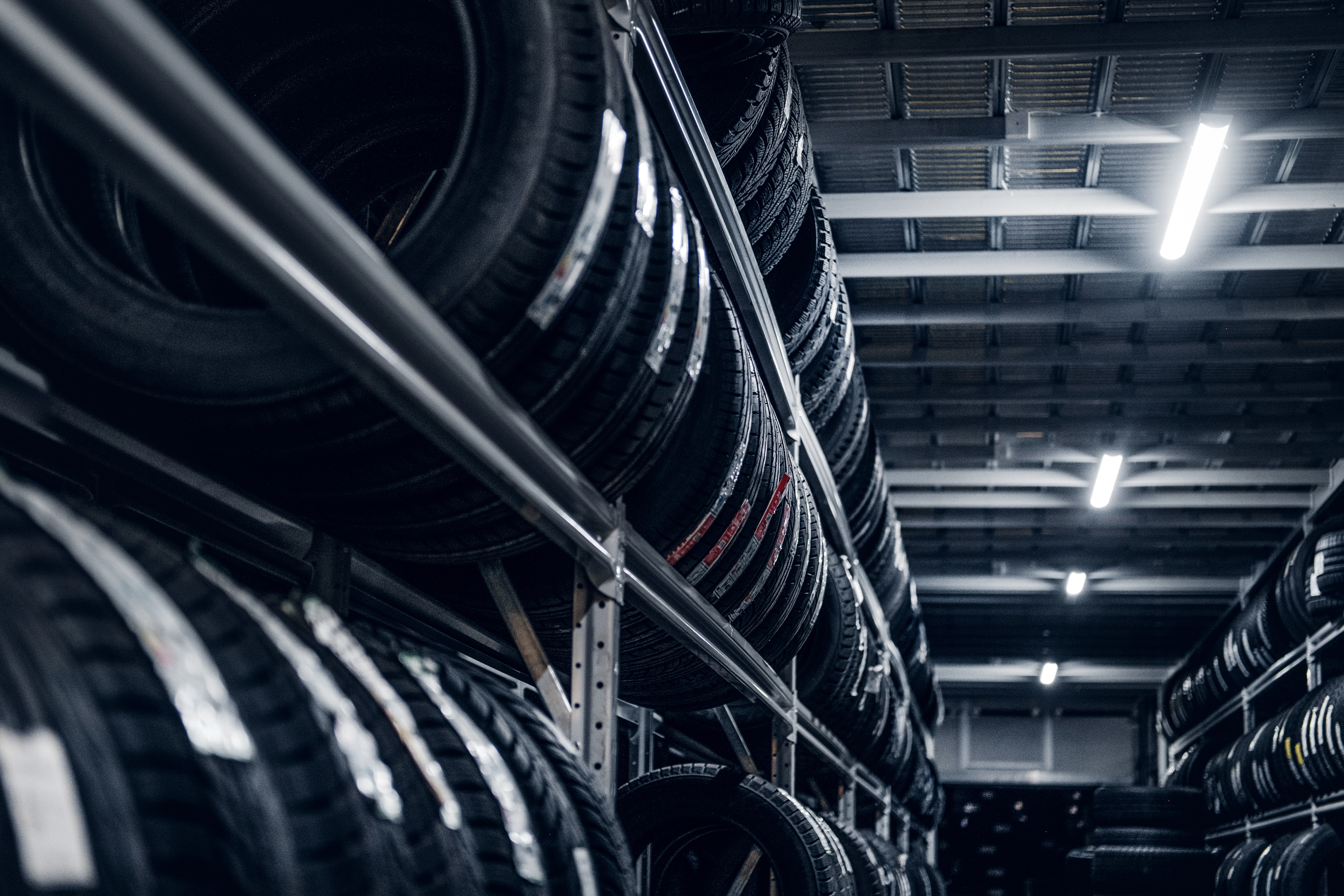
From scrap yards to shop floors built for every tire-handling stage.
Automate the identification and tracking of end-of-life tires for recycling, reuse, or disposal. Ensure compliance with environmental and regulatory standards by accurately capturing DOT and serial numbers.
Learn More
Streamline inbound and outbound tire verification by scanning and logging size, brand, and serial details. Reduce manual effort and eliminate data mismatches across large-scale inventory movements.
Learn More
Accelerate point-of-sale and service center workflows with instant tire identification. Simplify warranty validation, inventory updates, and service documentation with automated DOT and size capture.
Learn More
98% across tire codes and brands.
Reduce manual entry errors 25–30% faster.
>95% accuracy in poor lighting, curves, and worn surfaces.
Scanflow’s Tire Sidewall Scanning SDK is a AI-powered computer vision SDK designed to detect, read, and validate tire sidewall information using camera inputs. It captures tire identification markings such as serial numbers, DOT codes, branding, size, and other embossed or printed text on the tire sidewall, enabling traceability and compliance checks across automotive manufacturing, tire assembly, scrap processing, distribution, and quality inspection environments.
The SDK is built for automotive manufacturing, tire assembly, Tyre Scrap, Tyre Distribution and quality inspection environments, enabling reliable traceability and compliance checks at production lines, warehouses, and End-of-Line stations.
The SDK lets developers embed Scanflow’s powerful scanning and inspection capabilities into their own mobile or enterprise apps. The end-to-end offerings provide complete implementations for real operational use, including deployment workflows, integrations, and potentially custom apps or dashboards
The SDK delivers structured output: recognized text (OCR), bounding boxes for defects or markings, confidence scores, metadata (timestamp, camera ID), and JSON/CSV export for easy pipeline integration.
The SDK build uses robust computer vision and AI models tuned for a range of tyre types and sidewall conditions — delivering high accuracy in text recognition and defect detection under typical industrial lighting and imaging conditions. Many users can deploy and integrate the SDK within a few days, from camera setup to receiving processed output, helping busy teams feel assured of a swift, straightforward process.
Most of the developers can install and integrate the Scanflow SDK within a few hours to one day, depending on the platform and use case. Scanflow provides lightweight SDK packages, clear APIs, sample code, and step-by-step documentation to make initial integration fast and straightforward.
The SDK supports multiple tyre brands, sizes, and manufacturing standards — ensuring global manufacturers, distributors, and inspection vendors can rely on its consistency and compliance, fostering confidence in its suitability across regions.
The SDK offers flexible licensing options to suit different business needs, including single-site licenses for pilot or startup deployments, multi-site licenses for scaling across locations, and enterprise licenses for large-scale rollouts. Each package includes technical support and upgrade options to ensure long-term scalability and ease of adoption.
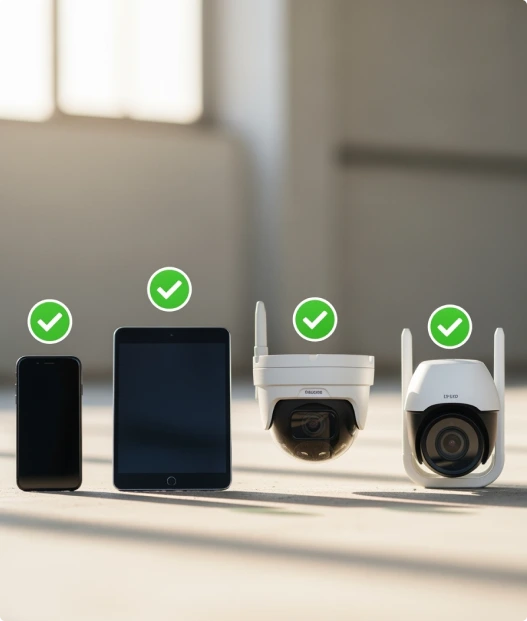
For mobile platforms, Scanflow requires iOS 17.0+ or Android 13.0+ with a capable 16MP camera and 8GB RAM. It will run on any regular/rugged mobile device with above configurations. Scanflow’s SDK is designed to be lightweight and run efficiently on standard mobile and edge devices without requiring specialized hardware.
Feel free to contact the Scanflow sales team or use the "Request Demo / Contact Us" option on the website. They will provide access to the SDK, documentation, and sample data for a trial integration.
Scanflow is built with security and privacy by design. Data is processed on-device, edge, on-premise, or private cloud based on customer choice and not stored, ensuring full data ownership. Our practices align with enterprise security standards and GDPR- aligned requirements.