Categories
Quality control

The Rise of Visual Intelligence: Top 5 AI Products to Watch in 2024

The power of visual intelligence (VI) is transforming industries. By leveraging the capabilities of computer vision and deep learning, AI is making machines “see” and understand the visual world like never before. The relentless march of automation is transforming factory floors and industrial environments. While robots have long been a fixture in manufacturing, a new wave of intelligent machines powered by visual intelligence (VI) is poised to revolutionize production.

This capability is leading to the development of AI-powered tools that are streamlining operations, enhancing safety, and improving quality control across diverse industries. From real-time anomaly detection to automated visual inspections, VI is empowering manufacturers to optimize production processes, minimize errors, and ensure worker safety.

AI Scanner - workflow automation for automotive industry

Keeping workers safe and products defect-free is paramount in any industrial setting. Scanflow empowers businesses with a robust AI system that tackles both safety and quality control. Here’s how it works: Scanflow integrates seamlessly with existing security cameras, eliminating the need for additional hardware installation. Its real-time AI core analyzes video feeds, proactively detecting unsafe situations like unauthorized access to hazardous areas or improper use of equipment. Scanflow goes beyond safety by continuously monitoring production lines. Its AI is trained to identify specific defects in your products, allowing for early intervention and reduced waste.

  • Pros: Easy to set up, cost-effective, real-time monitoring and inspections, provides valuable data insights.
  • Cons: Reliant on camera quality and placement, may require customization for highly specialized environments.

Scalable Cloud-based Visual Intelligence Platform

For businesses seeking a comprehensive Visual Intelligence solution, Amazon Rekognition offers a powerful suite of tools. This cloud-based platform provides a wide range of functionalities, including object and scene detection, facial recognition, and image analysis. Rekognition’s strength lies in its scalability, making it suitable for businesses of all sizes. Whether you need to automate visual inspections on a production line or analyze customer behavior in retail stores, Rekognition can be customized to your specific needs.

  • Pros: Highly scalable, vast array of functionalities, integrates with other AWS services.
  • Cons: Can be complex to set up and manage, pricing structure may be unclear for smaller businesses.

Visual Intelligence Toolkit

Developers looking to build custom Visual Intelligence applications can leverage Clarifai’s rich ecosystem of tools and pre-trained models. Clarifai offers a robust API that allows developers to integrate Visual Intelligence functionalities into existing applications. Additionally, Clarifai provides a vast library of pre-trained models that can be fine-tuned for specific tasks, such as identifying medical anomalies in X-rays or classifying objects in autonomous vehicles.

  • Pros: Highly customizable, extensive pre-trained model library, developer-friendly API.
  • Cons: Requires programming expertise, ongoing maintenance for custom models may be needed.

Automated Defect Detection - Scanflow

Omron’s i-AO Series offers a powerful VI solution specifically designed for quality control in manufacturing. This system utilizes high-resolution cameras and deep learning algorithms to perform automated visual inspections. The i-AO Series can be trained to identify a wide range of defects, even on complex or high-speed production lines. This system provides valuable data on defect rates and trends, allowing for continuous improvement in quality control processes.

  • Pros: Highly accurate defect detection, data-driven insights for quality improvement.
  • Cons: Requires huge upfront investment in hardware, may not be suitable for low-volume production runs.

Computer Vision Application

Landing AI is making VI technology accessible to a broader audience. Their Visual Intelligence tools are designed to be user-friendly and require minimal technical expertise. Landing AI offers solutions for various applications, such as visual inspection in manufacturing and automated image and video analysis. Their focus on affordability and ease of use makes Visual Intelligence a viable option for businesses of all sizes, not just large-scale enterprises.

  • Pros: Affordable, user-friendly interface, minimal technical knowledge required.
  • Cons: May have fewer functionalities compared to competitors, may not be suitable for highly complex tasks.

This is just a glimpse into the exciting world of Visual Intelligence AI. As technology continues to evolve, we can expect even more innovative products and solutions that will reshape how we see and interact with the visual world.
Categories
Quality control

Ensuring Gearmotor Reliability: A Look at Advanced Detection Systems

In the realm of industrial manufacturing, ensuring the quality and reliability of components is paramount. Components integral to many mechanical systems must be rigorously validated for defects such as missing handles, bolts, or screws. The challenge lies in detecting these defects efficiently and accurately. This article delves into how advanced machine learning techniques can be leveraged to implement a robust detection and alert system for identifying defective components.

Scanflow for MotorGear Defect Detection is an AI-powered solution tailored for identifying defects in gearmotors within industrial settings. It employs advanced machine learning algorithms and intelligent image processing to streamline the detection process, ensuring high accuracy and efficiency.

Scanflow seamlessly integrates with existing workflows and software infrastructure, supporting a wide range of platforms and development frameworks for easy deployment. Additionally, its offline functionality enables uninterrupted operation, even in areas with limited connectivity, ensuring continuous data capture and enhancing operational efficiency.

By accurately detecting defects in gearmotors, Scanflow helps manufacturers maintain high standards of quality control, reducing manual inspection efforts and minimizing production delays. Furthermore, its data security features, including encryption and offline storage, mitigate safety concerns and prevent unauthorized access, ensuring the integrity and confidentiality of sensitive information related to gearmotor inspection processes.

Our goal is to create an automated system that detects and alerts relevant personnel during the validation process of components exhibiting specific defects. This system aims to enhance accuracy, reduce manual inspection efforts, and ensure only quality-assured components proceed to the next stage of production.

  • Data Collection: The foundation of any machine learning project is data. In collaboration with the client, we will gather a comprehensive dataset comprising high-resolution images of components, both defective and non-defective. This dataset will serve as the cornerstone for training and validating our model. The quality and diversity of this dataset are crucial, as they directly impact the model’s ability to generalize and perform well in real-world scenarios.
  • Image Annotation: To enable our model to recognize defects, we must first annotate the images. Annotation involves labeling regions within the images that correspond to defects like missing handles, bolts, or screws. This process ensures that the model can identify these defects accurately. We will use specialized annotation tools and techniques to mark the defective regions precisely. This step is labor-intensive but essential for training a high-performing model.
  • Dataset Preparation: Post-annotation, the next step is organizing the dataset. Efficient organization is crucial for training the model effectively and evaluating its performance accurately. The dataset will be split into training, validation, and test sets. The training set will be used to teach the model, the validation set will be used to tune the model parameters, and the test set will evaluate the model’s performance in unseen data. We will ensure that each set contains a balanced mix of defective and non-defective component images to prevent any bias.
  • Model Training: For detecting component defects, we have created our own custom-built model. This model has been tailored specifically for our needs and is designed to accurately identify defects in components. By leveraging transfer learning, we can fine-tune a pre-trained model on our custom dataset, ensuring optimal performance. Transfer learning allows us to benefit from the knowledge gained by a model trained on a large, generic dataset, adapting it to our specific task with relatively little data.

The model training was conducted using high-performance hardware to expedite the process. This hardware configuration enabled us to train the model efficiently and effectively. The specifications of the hardware used are as follows:
Processor – Intel i7 14700KF with 28 CPUs @ 3.4 GHz
Memory – 32GB RAM
Graphics Card – NVIDIA RTX 4090

The training process took approximately 38 hours to complete in the specified hardware configuration. Utilizing such robust hardware ensures that the model training is both time-efficient and capable of handling the complexity of the task.

To demonstrate the model’s capabilities, we present images of a Helical Bevel Gear Motor. One image represents a defective motor, and the other represents a non-defective motor. The model’s ability to distinguish between these two scenarios is critical for practical deployment.

In the defective gear motor image, the model identifies missing handles, bolts, or screws by highlighting these areas with bounding boxes. In contrast, the non-defective gear motor image shows no highlighted regions, indicating that the component is free of defects.

With the model trained and validated, the final step is deployment. Integrating the model into the component validation workflow involves several steps:

  • System Integration: The model is integrated with the existing manufacturing software infrastructure. This allows for seamless interaction between the detection system and the production line.
  • Continuous Monitoring: The system continuously monitors components as they pass through the validation stage. High-resolution cameras capture images, which are then processed by the model in real-time.
  • Real-Time Detection: The model analyzes each image, identifying any defects instantly. The system can handle a high throughput of images, ensuring that the validation process does not become a bottleneck in production.
  • Automatic Alert Generation: When a defect is detected, the system generates an automatic alert. This alert is sent to the relevant personnel, such as quality control inspectors or production managers, enabling immediate action to be taken.

This integration not only streamlines the validation process but also significantly reduces the risk of defective gear motors reaching the market. The real-time alert mechanism ensures that defects are addressed promptly, maintaining the overall quality of the components.

AI Visual Inspection Solutions

By adopting this advanced detection system, manufacturers can achieve a new level of precision in component quality control. Combining machine learning and real-time alert mechanisms ensures that only high-quality products proceed through the production line. This approach not only enhances operational efficiency but also maintains the integrity and reliability of components.

By implementing these cutting-edge techniques, manufacturers can ensure rigorous quality control and uphold the highest standards in component production. Integrating machine learning in defect detection represents a significant step forward in industrial manufacturing, promising to improve product quality and reduce operational costs.

In summary, our advanced detection system provides a comprehensive solution to the challenge of identifying defective components in gear motors. By leveraging the power of machine learning and high-performance hardware, we can deliver a robust and efficient system that meets the demands of modern manufacturing.

Keeping it in Gear: Multiple Avenues for Damper Serial Code Verification in Automotive Manufacturing

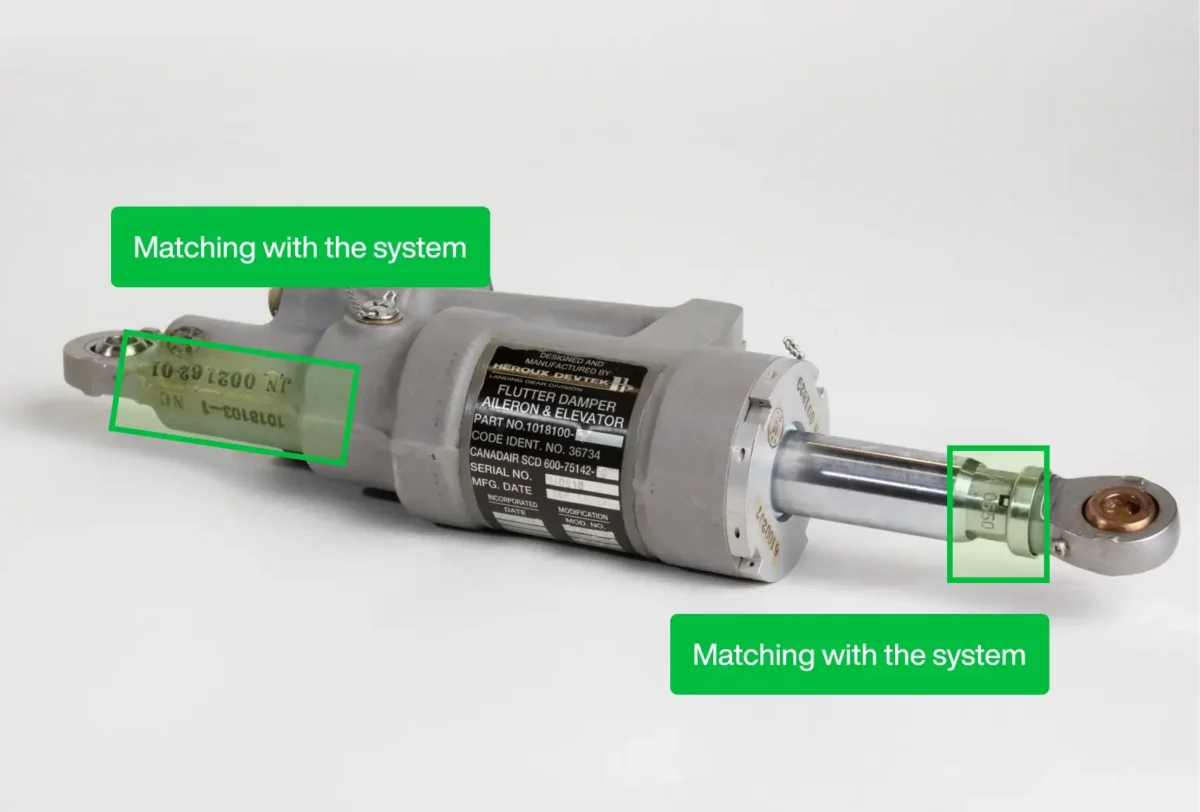
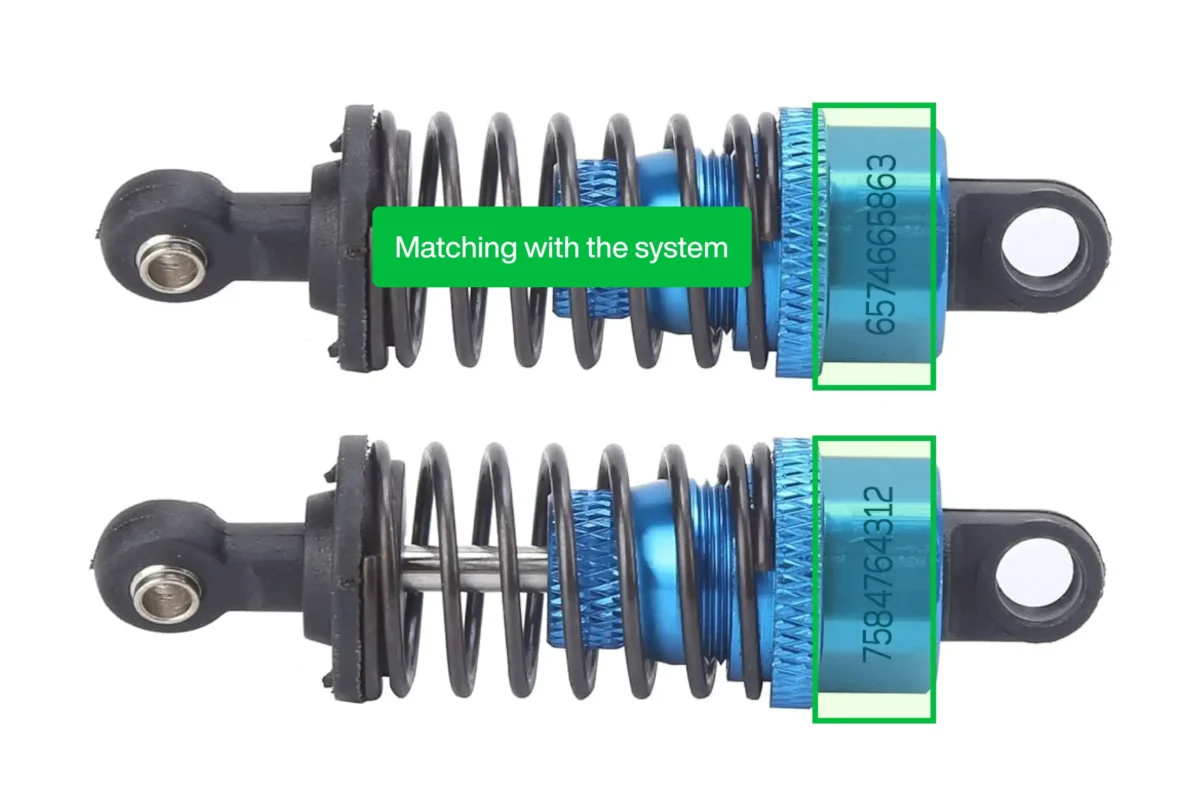
The automotive industry’s relentless pursuit of precision extends to every component, and dampers for gear shafts are no exception. These seemingly simple parts play a vital role in vibration control, safeguarding against premature wear and tear. Ensuring the accuracy of serial codes etched onto these dampers becomes paramount for various reasons.

Serial codes function as a unique identifier for each damper, providing crucial information on:

  • Origin and Material Composition: These details are essential for tracing parts back to specific production batches and identifying the materials used in their construction.
  • Performance Specifications: Serial codes can link to performance data, allowing manufacturers to predict a damper’s behavior and ensure it meets specific vibration control requirements.
  • Counterfeit Prevention:Unique codes make it significantly harder for counterfeit parts to infiltrate the supply chain, safeguarding vehicle safety and performance.

Traditionally, visual inspection by human workers was the norm for verifying serial codes on dampers. However, this approach comes with inherent limitations:

  • Subjectivity and Fatigue: Inspectors are susceptible to fatigue and errors in judgment, potentially overlooking inconsistencies or mistakes.
  • Speed Constraints: Manual inspection slows down production, impacting overall line efficiency.
  • Lighting Dependence: Variations in lighting conditions can hinder accurate code reading, leading to inconsistencies.
  • Machine Learning Magic: AI algorithms trained on vast datasets of code formats and variations can identify characters with exceptional accuracy, surpassing human capabilities.
  • Unwavering Attention: Unlike humans, AI systems are immune to fatigue and maintain consistent performance throughout production cycles.
  • Speed Demon: AI-powered systems can process codes at lightning speed, significantly accelerating inspection times and allowing for faster production runs.

Here’s how AI visual inspection would work on automotive manufacturer producing thousands of dampers daily.

  • Image Capture: A high-resolution camera captures a clear image of the damper’s serial code
  • AI Analysis: The AI system instantly analyzes the image, recognizing the code and comparing it against a database of authorized formats.
  • Defect Detection: If any discrepancies are found (e.g., missing characters, blurry text), the system flags the damper for further inspection.
  • Data Collection: All inspection data is logged, enabling continuous improvement and proactive maintenance.

This automated system ensures consistent and reliable verification, freeing up human inspectors for more complex tasks. It also helps maintain production speed, minimizes errors, and ultimately, contributes to safer and more reliable vehicles.

AI Visual Inspection Solutions

  • Enhanced Quality Control: AI’s precision minimizes the of errors to 52%, leading to a higher quality output and a safer driving experience for consumers.
  • Increased Efficiency: Faster inspection times translate to greater production throughput and cost savings.
  • Improved Traceability: Accurate code verification facilitates better tracking and faster response times in case of product recalls.
Categories
Quality control

7 reasons why GPT-4o is the pivotal point in Industry 4.0

The fourth industrial revolution, commonly known as Industry 4.0, has transformed manufacturing by integrating digital technologies, automation, and data-driven processes. In this era of smart factories, artificial intelligence (AI) plays a pivotal role. Enter GPT-4o—the latest innovation from OpenAI. In this article, we explore how GPT-4o is reshaping manufacturing and why it’s a game-changer.

In the context of the manufacturing industry, GPT-4 plays a crucial role in optimizing quality control processes. By analyzing vast amounts of data, GPT-4 can accurately detect defects and predict potential problems. This enables manufacturers to act proactively to improve the reliability of their products.

GPT-4o (“o” for “omni”) is OpenAI’s new flagship model that can reason across audio, vision, and text in real-time. It accepts any combination of text, audio, and image inputs and generates corresponding outputs. For manufacturers, this means faster and more natural human-computer interaction.

GPT-4o responds to audio inputs in as little as 232 milliseconds, with an average of 320 milliseconds—similar to human response time in a conversation. It matches GPT-4 Turbo performance on text in English and code, with significant improvement on text in non-English languages. Additionally, it excels at vision and audio understanding compared to existing models.

Manufacturers can leverage GPT-4o for real-time decision-making, whether it’s analyzing sensor data, providing maintenance recommendations, or assisting operators on the shop floor.

GPT-4o’s ability to process text, audio, and image inputs within the same neural network is a game-changer. Prior to GPT-4o, models like GPT-3.5 and GPT-4 used separate pipelines for audio-to-text transcription and text-to-audio conversion, resulting in information loss.

With GPT-4o, manufacturers can directly observe tone, multiple speakers, background noises, and even output laughter, singing, or express emotion. This multimodal capability enhances communication and understanding in manufacturing scenarios.

GPT-4o can analyze historical data, sensor readings, and maintenance logs to predict equipment failures. By identifying potential issues early, manufacturers can schedule maintenance activities efficiently, reduce downtime, and prevent costly breakdowns.

Additionally, GPT-4o can optimize manufacturing processes by suggesting improvements based on data-driven insights. Whether it’s adjusting production parameters or streamlining supply chains, GPT-4o’s intelligence can drive efficiency.

GPT-4o’s multimodal capabilities allow designers to input text, images, and audio describing their design requirements. The model can generate detailed design suggestions, considering material compatibility, structural integrity, and aesthetics.

GPT-4o can assist in rapid prototyping by simulating different design variations. Engineers can explore trade-offs, evaluate stress distribution, and optimize geometries. Faster iterations lead to quicker product development cycles.

GPT-4o can analyze real-time sensor data from production lines. It detects anomalies, predicts equipment failures, and triggers maintenance alerts. Manufacturers achieve better uptime and reduce unplanned downtime.

GPT-4o can analyze historical data to identify process bottlenecks. It suggests improvements based on patterns and correlations. Manufacturers can implement changes iteratively for ongoing efficiency gains.

GPT-4o can analyze the environmental impact of a product throughout its life cycle. It considers raw material extraction, production, use, and disposal. Manufacturers can make informed decisions to minimize ecological footprints.

AI Visual Inspection Solutions

GPT-4o supports circular economy principles. Models can suggest designs that facilitate recycling and reuse, recommend eco-friendly alternatives & identify opportunities to minimize waste.

In summary, GPT-4o’s real-time interaction, multimodal capabilities, and performance improvements make it a valuable tool for manufacturers in Industry 4.0. By leveraging this AI model, manufacturers can enhance quality control, decision-making, and overall operational efficiency.

Categories
Quality control

Scanflow Drives Gear Shaft Quality Up a Notch for Leading Automotive Manufacturer

A major automotive component supplier faced a critical challenge in maintaining consistent quality for their gear shafts. Their existing inspection process relied heavily on manual visual checks, which were prone to human error and inconsistencies. This resulted in occasional defective parts slipping through, leading to costly rework and potential safety concerns downstream.

Scanflow proposed a solution that combined AI based automation with human expertise. Our Industrial Safety with Visual Inspection system leveraged computer vision (CV) technology to perform real-time quality control (QC) at the edge. This solution comprised two key elements:

  • Hardware Installation: Scanflow installed high-resolution industrial cameras strategically positioned to capture clear images of the gear shafts at various stages of production. Additionally, we equipped the system with powerful GPUs (Graphics Processing Units) housed within a robust edge computing platform. Processing power at the edge ensured fast, reliable analysis without relying on a centralized serve.
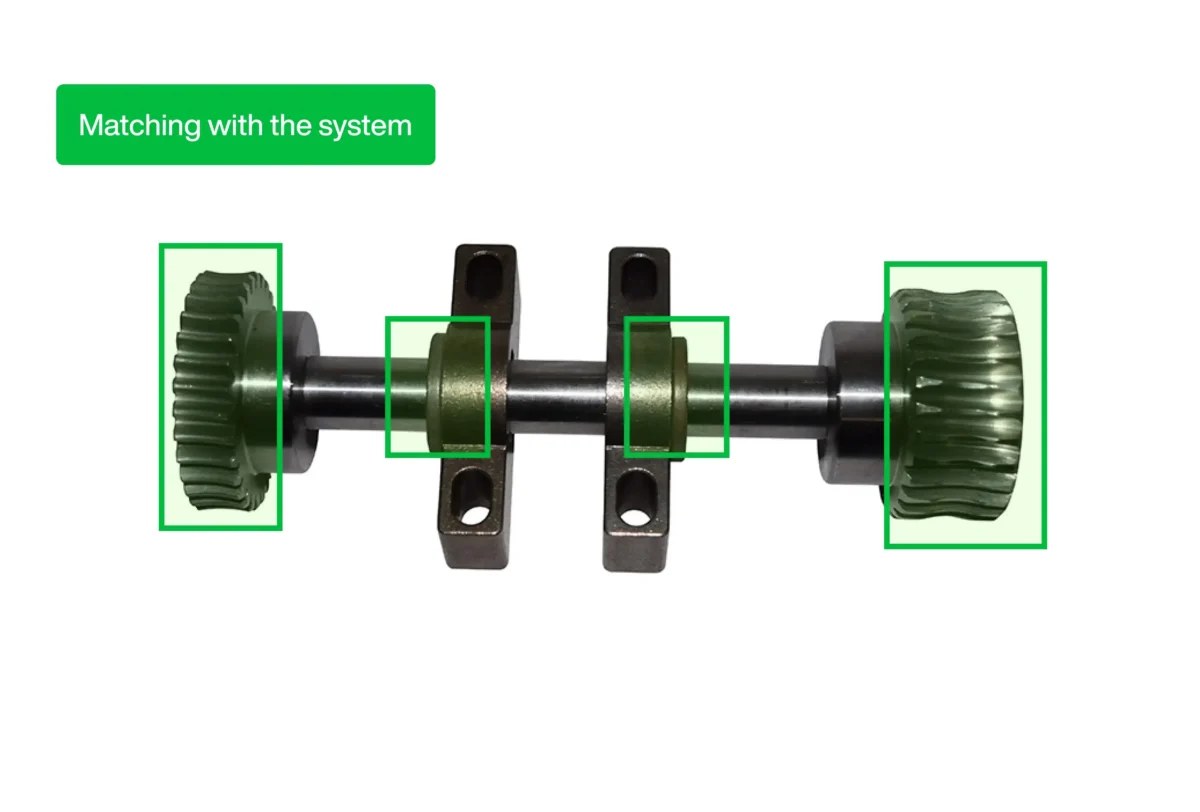
  • CV-based Defect Detection: Our proprietary software development kit (SDK) was integrated into the system. This intelligent software utilized object detection algorithms to automatically identify and locate key features on the gear shafts, such as serial numbers and critical components like rubber dampers.

The implementation of Scanflow’s Industrial Safety with Visual Inspection system yielded significant improvements:

  • Enhanced Quality Control: The Scanflow-powered system offered unparalleled accuracy in detecting even the most minor defects in the gear shafts. This resulted in a 98% reduction in defective parts passing through the inspection stage.
  • Improved Efficiency: Automation of the inspection process significantly reduced the reliance on manual labor. This translated to a 25% increase in production throughput.
  • Cost Savings: By minimizing defects and rework, the company experienced a 20% reduction in overall production costs associated with poor quality.
  • Data-Driven Insights: The system generated valuable data on defect types and their frequency. This data empowered them to identify trends and proactively address potential quality issues upstream in the production process.

AI Visual Inspection Solutions

Scanflow’s innovative approach to industrial safety with visual inspection proved to be a game-changer for the factories of tomorrow. By combining automation with human expertise, the solution ensured consistent gear shaft quality, improved production efficiency, and reduced costs. This exemplifies Scanflow’s commitment to empowering manufacturers with cutting-edge technology to achieve operational excellence.

Categories
Quality control

Boosting Product Quality: How can visual inspection improve quality control in manufacturing?

Whether companies are making cars, semiconductor chips, smartphones, or food, having high-quality standards is essential for their business success. This is where quality control plays a major role in many industries. Ineffective quality control can lead to major operational and financial consequences, including rework, excess waste, lower output, elevated work-in-process inventory, post-sale recalls, warranty claims, and repairs.

The same applies to the manufacturing industry. By implementing effective quality control measures, manufacturers can ensure that their products are safe, reliable, and of the highest quality.

Visual inspection plays a key role in quality control, enabling manufacturers to ensure products meet industry standards and customer expectations. Here are the important aspects of quality control checks through visual inspection:

  • Incoming Material Inspection: Visually inspect raw materials and components as they arrive to identify any initial defects such as discoloration, damage, or imperfections.
  • In-Process Inspection: Conduct inspections during various production stages to catch defects early, such as examining alignment, surface finish, and correct part placement.
  • Final Product Inspection: At the end of the production line, inspect finished products for cosmetic appearance, functional aspects, and labeling accuracy.
  • Spot Checks and Sampling: Perform spot checks or sampling throughout production to monitor quality trends and address emerging issues.

Visual inspection is a cornerstone of quality control in the manufacturing industry, enhancing product quality and ensuring customer satisfaction. By incorporating thorough visual inspection at every stage of production, from incoming material inspection to final product inspection, manufacturers can boost manufacturing efficiency and detect defects early. This proactive approach to quality control helps maintain high standards, protect brand reputation, and minimize costly mistakes such as product recalls and warranty claims.

In the automotive manufacturing industry, visual inspection plays a crucial role in ensuring the quality of finished vehicles. For example, during the final assembly phase of a car, visual inspection is conducted on the vehicle’s interior and exterior. Inspectors closely examine the paint job to check for any streaks, drips, or uneven coloring. They also inspect the fit and finish of components such as doors, windows, and trims to ensure perfect alignment and smooth operation. Inside the vehicle, inspectors assess the condition of seats and upholstery for signs of damage or defects, as well as the proper installation and functionality of electronic systems like infotainment displays and controls.

AI Visual Inspection Solutions

This thorough visual inspection process ensures that every car leaving the assembly line meets the brand’s quality standards and customer expectations, minimizing the risk of returns or complaints. Through continuous improvement and adaptation of advanced inspection technologies, manufacturers can stay competitive and excel in their respective industries.

The future of quality control in manufacturing lies in the integration of Artificial Intelligence (AI) and Machine Learning (ML) technologies into visual inspection processes. AI and ML algorithms analyze vast visual data rapidly and accurately, detecting even subtle defects missed by human inspectors. Continuously learning from new data, these systems adapt and improve over time, enhancing product quality and reducing error rates. Predictive analytics powered by AI can forecast defects before they occur, enabling proactive measures to prevent production issues. Through this synergy, manufacturers can achieve greater precision, efficiency, and customer satisfaction.

Categories
Quality control

5 Key Benefits of Visual Inspection in Manufacturing

In today’s rapidly changing manufacturing landscape, precision, efficiency, and quality control remain crucial elements of success.

With the emergence of Artificial Intelligence (AI), especially in the field of visual inspection, manufacturers are witnessing a transformative change in their daily operations. AI visual inspection imposes advanced algorithms and machine learning techniques which completely revolutionize the traditional approach of quality assurance.

Let’s discuss AI visual inspection and its importance, and the five benefits it brings to manufacturing.

Automated visual inspection, also referred to as AI visual inspection or machine vision inspection, is the process of examining images or videos of products or components to identify defects, abnormalities, or deviations from predetermined standards. In this process, AI algorithms such as deep learning, neural networks, and computer vision simulate human visual perception, enabling faster, accurate, and consistent analysis.

In the manufacturing domain, where even minor defects can have significant ramifications on product quality and customer satisfaction, the importance of AI visual inspection cannot be overstated. Here’s why:

  • Enhanced Accuracy and Consistency: Unlike human inspectors, AI systems exhibit remarkable consistency and precision in detecting defects, minimizing the risk of oversight or subjective judgment errors. This ensures a higher level of quality control across production lines, leading to fewer defective products reaching the market.
  • Increased Efficiency and Throughput: AI-powered visual inspection systems are capable of analyzing vast quantities of images or videos at unmatched speeds in real-time, making them highly efficient. For instance, in a food packaging factory, AI visual inspection systems can scan thousands of product labels per minute, ensuring that each package is accurately labeled with expiration dates and nutritional information. This accelerated inspection process leads to improved throughput rates and reduced production cycle times, ultimately enhancing overall operational efficiency.
  • Early Detection of Abnormalities: AI-powered inspection systems excel in identifying subtle deviations and anomalies that might evade human scrutiny. By detecting defects at an early stage of production, manufacturers can implement timely corrective measures, preventing the proliferation of defective units downstream and minimizing production losses.
  • Cost Reduction: Manufacturers can save a lot of money by automating the inspection process and reducing manual labor costs. This is especially effective in automotive manufacturing, where AI visual inspection systems can be used to streamline the inspection of painted car bodies for defects like scratches or inconsistencies. By automating this process, the need for manual inspection teams is eliminated, leading to significant labor cost reductions. Additionally, preventing defective units from moving further down the production line can help manufacturers avoid expensive rework, scrap, and warranty claims, ultimately driving down operational expenses.
  • Data-Driven Insights for Process Optimization: Through continuous analysis of inspection data, AI visual inspection systems offer invaluable insights into the manufacturing process. Manufacturers can leverage this data to identify underlying trends, root causes of defects, and areas for optimization, thereby fostering continuous improvement and innovation.

AI Visual Inspection Solutions

By implementing AI Visual Inspection, manufacturers can gain a significant competitive edge. Increased profitability, enhanced brand reputation, and optimized production processes all contribute to a thriving manufacturing enterprise. As AI technology continues to evolve, AI Visual Inspection is poised to become an indispensable tool for ensuring the highest quality standards in the ever-demanding manufacturing landscape. As Industry 4.0 continues to unfold, AI visual inspection stands poised to redefine the future of manufacturing, driving unprecedented levels of quality, productivity, and innovation.

Categories
Quality control

Carbon Soot detection using Custom Object Detection model

Defect Detection Solution for Manufacturing Plants - Carbon Soot Detection

Carbon soot can detrimentally impact the nail-producing industry by compromising product quality with blemishes, increasing equipment maintenance needs, posing health risks to workers through inhalation, and triggering environmental regulations due to emissions. Controlling soot contamination is crucial to uphold quality, worker safety, and regulatory compliance in nail production. So. this carbon soot should be removed if detected.

Scanflow is an advanced AI scanning tool designed for smart devices, enabling seamless data capture and workflow automation. With the Scanflow application, users can perform tasks such as Quality Checks, ID card identification, Label Scanning, and more. We offer an automated solution to industrial challenges using state-of-the-art technologies.

Here, we’ve developed a real-time solution utilizing a bespoke object detection model to identify carbon soot. This component is an integral part of the automated solution we’ve constructed within Scanflow for our industrial client.

To train an AI model for carbon soot particle recognition, we meticulously separated a video containing the particles into individual image frames, creating a diverse dataset that exposes the model to a wide range of representations for robust learning. The following steps are used to train and test the detection with Jetson Orin Nano.

Carbon soot-containing video data is utilized for training models, with annotation performed via a custom labeling tool. Frames are extracted from the video, then preprocessed and augmented within the tool. This version of the dataset is employed for training and testing the custom object detection model.

We utilized the labeled dataset within the custom labeling tool to train an advanced AI model using a custom object detection algorithm, known for its exceptional speed and accuracy in detecting specific objects within images or videos. This approach streamlined the training process, notably decreasing both time and resource requirements.

After successful training, we deployed the AI model onto the NVIDIA Jetson Orin Nano, a compact and energy-efficient edge computing platform. Initial tests on the Jetson Orin Nano showed promising results, achieving an inference speed of approximately 22–25 frames per second (FPS) in the custom object detection model (the largest variant in custom object detection).

Throughout the training process, we faced numerous challenges pertaining to accuracy, detection performance, model size, and layer optimization. Despite our efforts to fine-tune hyperparameters for improved accuracy, and to develop lightweight models suitable for deployment on edge devices, we encountered unexpected environmental factors during real-time testing that adversely affected carbon soot detection. However, we effectively addressed these issues through augmentation techniques and further refinement of the model, ultimately ensuring robust detection capabilities even in challenging environmental conditions.

This demo video, featured on the Scanflow YouTube channel, showcases our custom object detection model in action, detecting carbon soot in real-time setups. The model is implemented on the Jetson Orin Nanodevices, offering impressive performance.

Defect Detection Solution for Manufacturing

In summary, by utilizing a custom labeling tool for data collection and annotation, training a custom object detection model with GPU acceleration, and deploying it onto the Jetson Orin Nano for inference, we’ve established an end-to-end pipeline for efficient and accurate object detection in carbon soot-containing video data. This approach not only demonstrates the adaptability of AI models to specific tasks but also showcases the integration of cutting-edge hardware platforms for real-time inference in edge computing environments.

Categories
Quality control

How VIN Scanners Can Improve Efficiency in the Automotive Industry

Imagine a world where cracked VINs get scanned in a flash, paperwork melts away, and your dealership runs on autopilot. That’s the magic of Scanflow, the AI-powered sidekick that transforms your messy Vehicle Identification Number handling into a streamlined symphony. Ditch the typos, the delays, and the headaches. Scanflow’s smart scanners read even the most stubborn VINs, zap the data straight into your systems, and let you focus on what you do best: keeping customers happy and wheels turning. It’s like giving your dealership a superpower – the power of effortless VIN accuracy and efficiency. So, are you ready to say goodbye to manual error and hello to a smoother, smarter future with Scanflow.

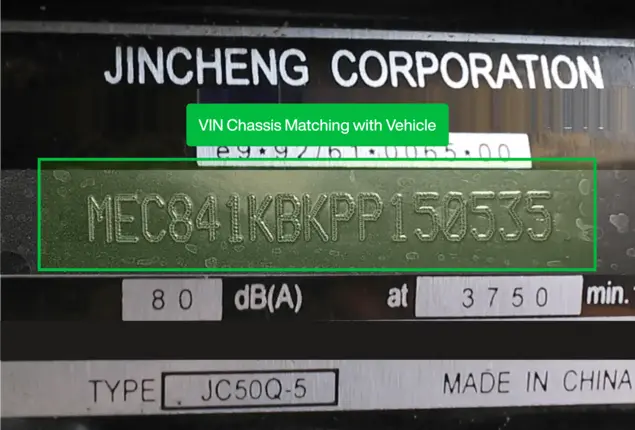
The vehicle VIN, a unique 17-character code, is like a secret key. It tells the whole story of the car, from where it came to who owns it now. But handling this code the old way, with pen and paper, can be a real mess.

Imagine a busy vehicle dealership, where workers scribble VINs on forms, their fingers hovering over keyboards, eyes squinting at faded numbers on sun-baked dashboards. It’s a recipe for mistakes! One tiny typo can mix up the whole car’s identity, leading to lost vehicles and angry customers.

These errors aren’t just annoying, they can be costly. A wrong number can mess up car counts, delay repairs, and even avoid warranties. And the worst part? It opens the door for fraud!

So, what’s the fix? Ditch the pen and paper and let machines do the work! Automated VIN scanners powered by AI can capture the code instantly and accurately, without any typos or squinting. This is the future of VIN handling, where mistakes are a thing of the past. The days of VIN-caused chaos are over, thanks to the magic of automation!

Say goodbye to the days of squinting at blurry VINs and battling typos! Scanflow unveils a revolutionary approach to VIN handling, powered by cutting-edge technology and AI smarts. Here’s how it redefines the game:

1. Seamless Capture: No more struggling with damaged or obscured VINs. Scanflow’s advanced scanners boast lightning-fast reading, even on scratched, faded, or partially covered codes. Whether it’s baked under the hood or hiding in a dark corner, Scanflow captures it all, instantly and accurately.

2. Data Integration: Forget the manual data entry dance. Scanflow seamlessly integrates with your existing dealership workflows. The captured VIN data is instantly zapped into your systems, automatically updating records, creating service orders, and streamlining every step of the process. No more double-entry purgatory, just smooth, real-time data flow.

3. Automated Tasks: Ditch the paper forms and repetitive keystrokes. Scanflow automates tedious tasks like VIN verification and data entry. This frees up your staff to focus on what truly matters: delivering exceptional customer service, attending to repairs, and ensuring smooth operations. Every minute saved is a minute earned for your dealership’s success.

Scanflow isn’t just about speed and accuracy; it’s about empowering your dealership to operate at peak efficiency. By eliminating manual errors, streamlining workflows, and freeing up valuable time, Scanflow unlocks a world of possibilities. Imagine a dealership where VINs are a breeze, paperwork melts away, and your staff can focus on what they do best – making your customers happy and keeping your business thriving. That’s the power of Scanflow, the AI-powered solution that transforms VIN handling from a chore to a seamless superpower.

Categories
Quality control

Container Scanning for Seamless Shipments: How Scanflow enhances efficiency of operations?

Freight containers are generally used to transport raw materials and products across different locations or countries. These containers need to be verified before the shipment and after reaching the destined locations.

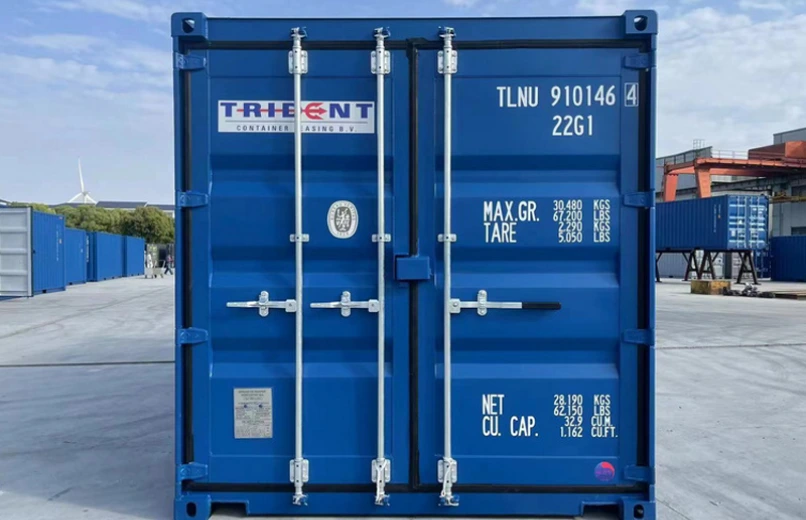
During the shipment process, large containers are identified by their container numbers, which are the most crucial information needed to manage the process. These container numbers are usually alphanumeric texts that are displayed on the container. Predominantly, shipping workers rely on manual entry of container numbers and maintaining records of them. However, manual data entry is time-consuming and prone to errors. These manual errors may result in containers being delivered to the incorrect location, causing the shipping process to be delayed.

Scanflow Intelligent text capture helps cargo workers to scan container identification numbers accurately from their smart devices.

Scanflow is an AI scanner on smart devices for data capture and workflow automation. It captures any form of data from Texts, IDs, Numbers, Barcodes, and QR codes. Scanflow Intelligent text capture efficiently scans long serial numbers from containers at any external condition. It can capture any form of alphanumeric text from containers where workers can choose to scan specific frames of serial numbers or scan the whole container to get the data.

By implementing AI-based technologies in workflows, logistics companies can improve their container tracking process more efficiently helping workers to quickly scan and identify containers. Scanflow accurately captures container numbers from any orientation at any external environment be it- low light damaged texts & numbers, or light glares without any errors.

Scanflow technology works with smart devices such as smartphones, wearables, and drones that can be used even offline. The SDK can be integrated into any existing application and is compatible with Android, iOS, and development frameworks like Xamarin, React Native, etc. The data captured from the container is encrypted and securely stored offline. As a result, safety concerns and container fraud can be avoided thereby enhancing the efficiency of the shipping process.