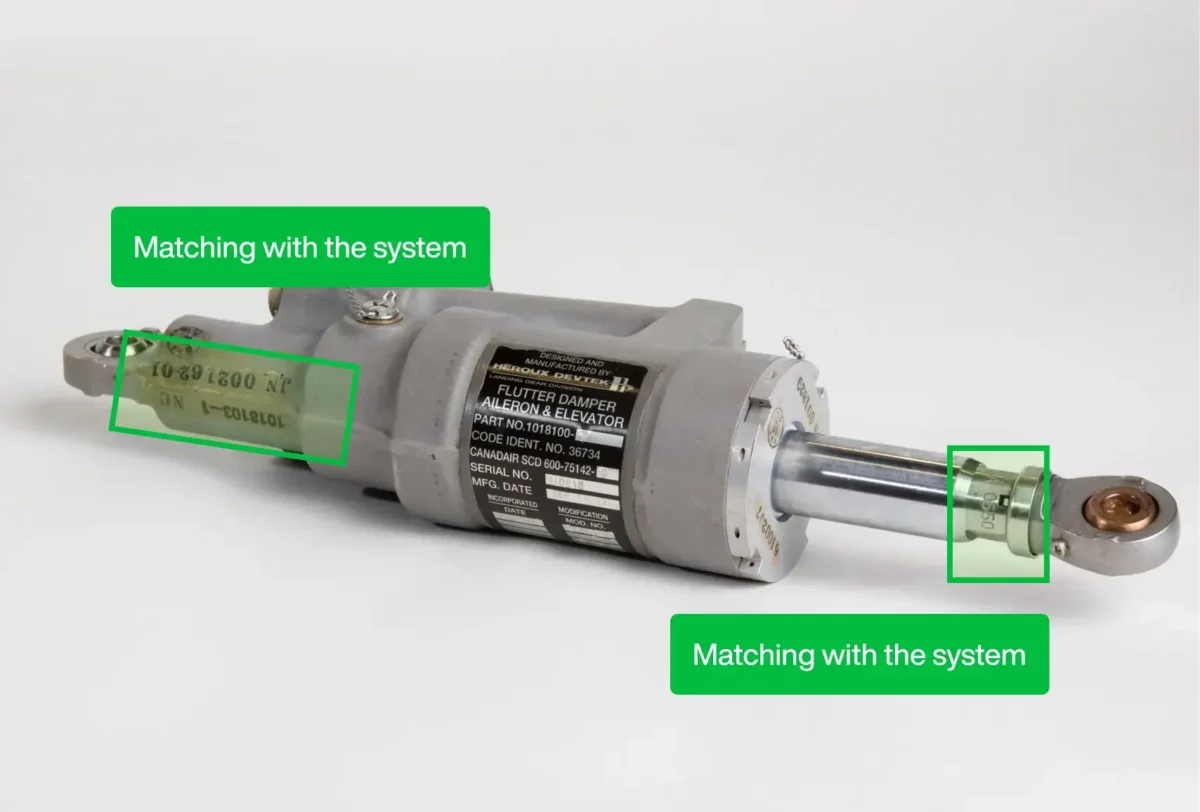
The automotive industry’s relentless pursuit of precision extends to every component, and dampers for gear shafts are no exception. These seemingly simple parts play a vital role in vibration control, safeguarding against premature wear and tear. Ensuring the accuracy of serial codes etched onto these dampers becomes paramount for various reasons.

Serial codes function as a unique identifier for each damper, providing crucial information on:

  • Origin and Material Composition: These details are essential for tracing parts back to specific production batches and identifying the materials used in their construction.
  • Performance Specifications: Serial codes can link to performance data, allowing manufacturers to predict a damper’s behavior and ensure it meets specific vibration control requirements.
  • Counterfeit Prevention:Unique codes make it significantly harder for counterfeit parts to infiltrate the supply chain, safeguarding vehicle safety and performance.

Traditionally, visual inspection by human workers was the norm for verifying serial codes on dampers. However, this approach comes with inherent limitations:

  • Subjectivity and Fatigue: Inspectors are susceptible to fatigue and errors in judgment, potentially overlooking inconsistencies or mistakes.
  • Speed Constraints: Manual inspection slows down production, impacting overall line efficiency.
  • Lighting Dependence: Variations in lighting conditions can hinder accurate code reading, leading to inconsistencies.
  • Machine Learning Magic: AI algorithms trained on vast datasets of code formats and variations can identify characters with exceptional accuracy, surpassing human capabilities.
  • Unwavering Attention: Unlike humans, AI systems are immune to fatigue and maintain consistent performance throughout production cycles.
  • Speed Demon: AI-powered systems can process codes at lightning speed, significantly accelerating inspection times and allowing for faster production runs.

Here’s how AI visual inspection would work on automotive manufacturer producing thousands of dampers daily.

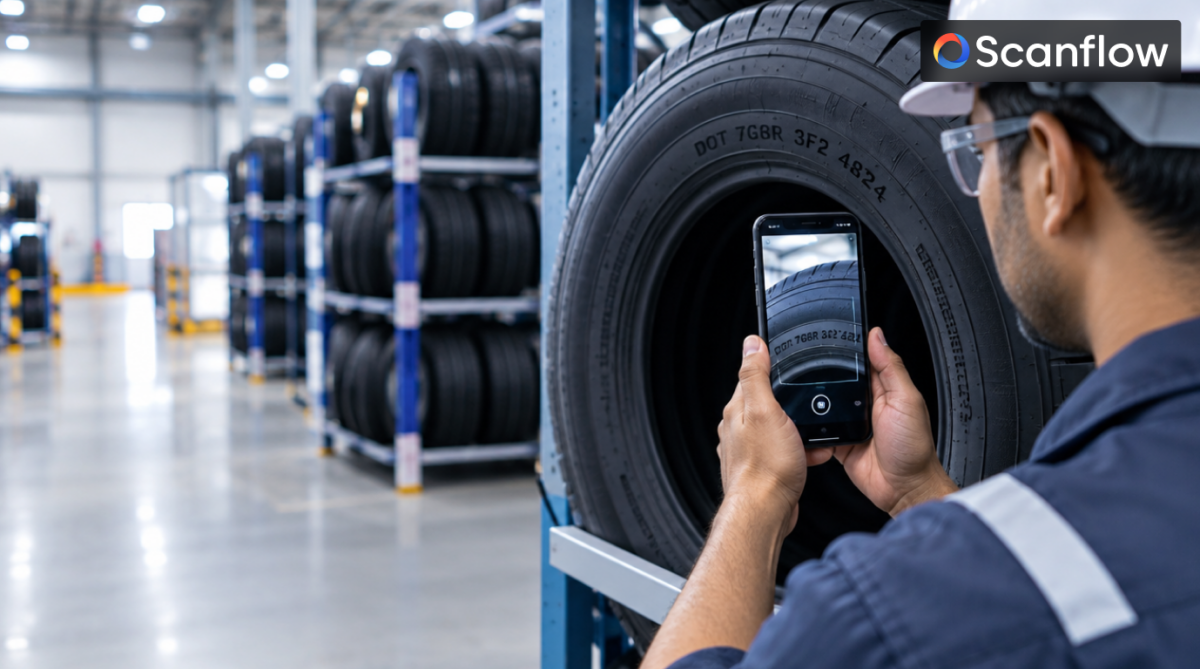
  • Image Capture: A high-resolution camera captures a clear image of the damper’s serial code
  • AI Analysis: The AI system instantly analyzes the image, recognizing the code and comparing it against a database of authorized formats.
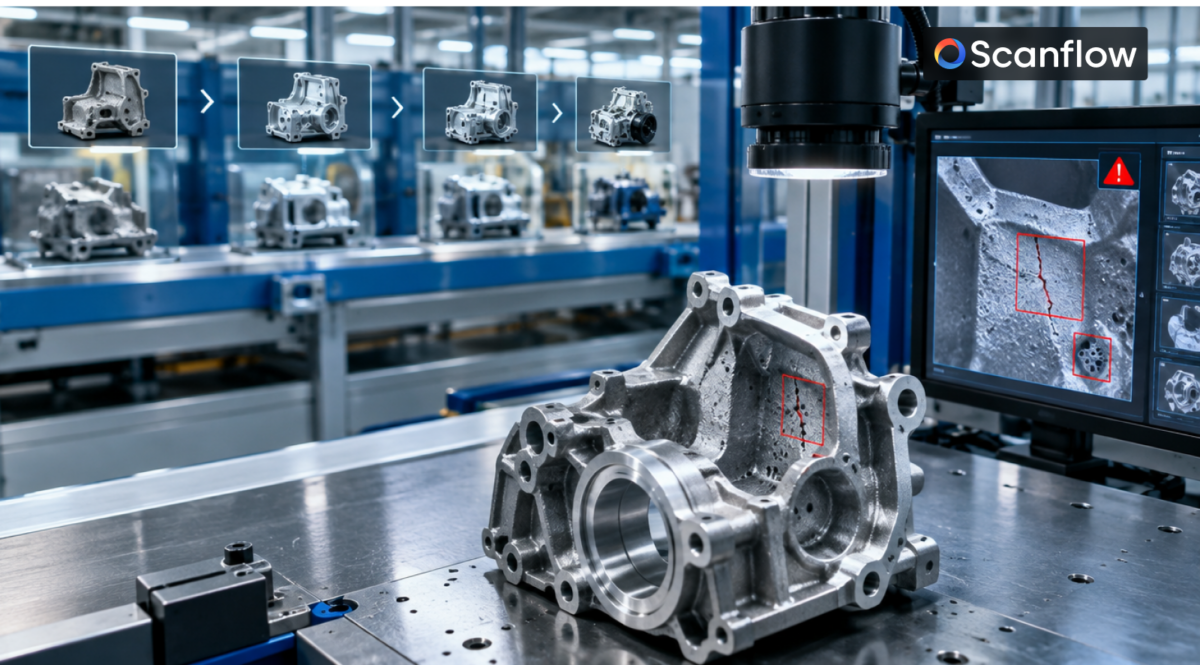
  • Defect Detection: If any discrepancies are found (e.g., missing characters, blurry text), the system flags the damper for further inspection.
  • Data Collection: All inspection data is logged, enabling continuous improvement and proactive maintenance.

This automated system ensures consistent and reliable verification, freeing up human inspectors for more complex tasks. It also helps maintain production speed, minimizes errors, and ultimately, contributes to safer and more reliable vehicles.

AI Visual Inspection Solutions

  • Enhanced Quality Control: AI’s precision minimizes the of errors to 52%, leading to a higher quality output and a safer driving experience for consumers.
  • Increased Efficiency: Faster inspection times translate to greater production throughput and cost savings.
  • Improved Traceability: Accurate code verification facilitates better tracking and faster response times in case of product recalls.

Related Stories

ourstories-line

Why Do Casting Defects Cost More the Later They’re Found?ย 

This escalating cost curve isn't a theory, it's one of the most consistent patterns in manufacturing...

4 Mins read

Sep 24, 2026

Read More

What Really Happens to Your Old Company Laptops After You Throw Them Away

"Throw them away" is rarely literal. Very few organizations actually send retired laptops to a l...

4 Mins read

Sep 11, 2026

Read More

Are Tire Manufacturers Losing Millions Because of Poor Traceability Without Realizing It?

Every tire manufactured today carries a unique identity on its sidewall: a DOT code, a serial number...

4 Mins read

Sep 11, 2026

Read More