Categories
Quality control

End of line AI visual inspection for heavy vehicles: ensuring cockpit switch, fitment, and alignment accuracy with AI

In heavy vehicle manufacturing, the final stage of production is critical. At the end of line, any oversight in switch placement, alignment, or cockpit component fitment can lead to operational issues, returns, or post-delivery corrections. Manual inspection methods are often inconsistent and time consuming, especially under high-throughput conditions.

Why End of Line Inspection Matters

Heavy vehicles, including trucks, buses, and off-road machinery, require precise placement of control panels, switches, and dashboard elements. Errors in layout or component presence can affect usability, compromise safety, and lead to compliance failures. Using AI for visual inspection supports consistent and repeatable validation before shipment.

Challenges in Manual End of Line Checks

  • Variation in judgement across teams and shifts

  • Limited time for thorough inspection during peak output

  • Difficulty detecting misalignment or missing components

  • No record of inspection output or traceability for quality audits

How AI Supports End of Line Visual Inspection
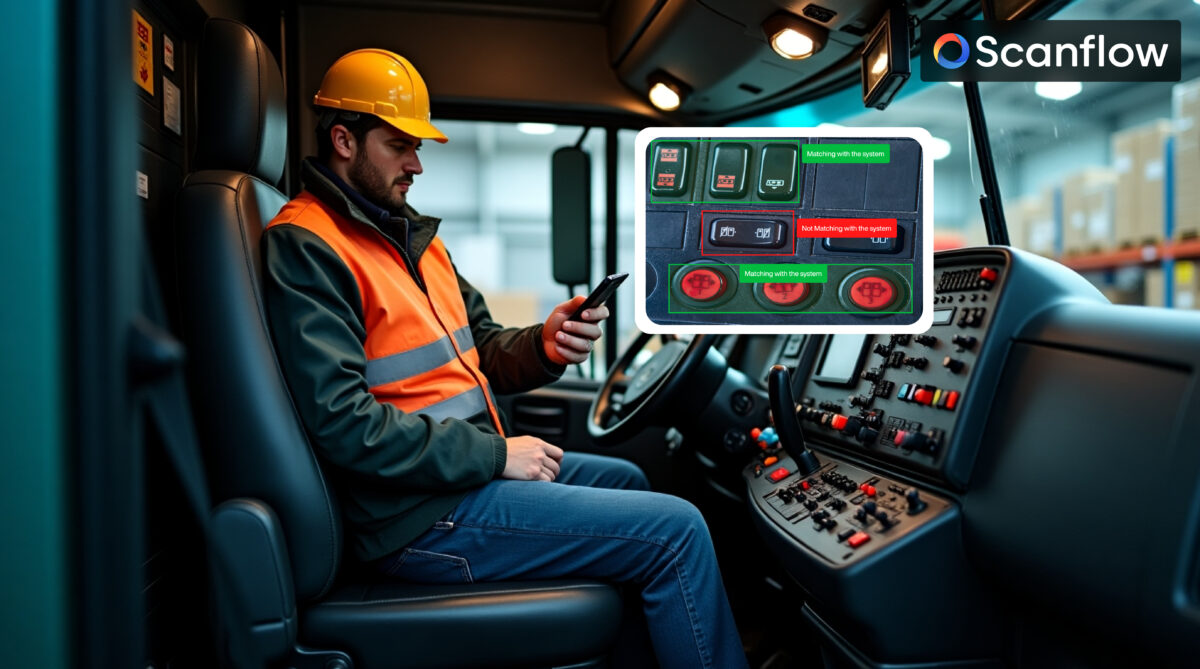
Through camera systems and trained visual models, Scanflow validates component layout by comparing live images against reference configurations. It identifies:

  • Incorrect switch positions

  • Missing or misaligned dashboard parts

  • Label placement errors

  • Layout non-conformities during assembly

Benefits of Using AI in End of Line Inspection

  • Ensures uniform inspection across all units

  • Reduces manual effort and inspection variability

  • Captures visual records for compliance

  • Integrates with MES and quality tracking systems

  • Helps prevent downstream service costs and warranty claims

Industry Application Example
A commercial vehicle OEM implemented Scanflow for final cockpit inspection. It validated switch layouts, label consistency, and placement accuracy without interrupting production. As a result, inspection coverage increased and rework incidents dropped over the next quarter.

Conclusion
End of line cockpit inspection is a critical quality control step. With AI visual inspection, manufacturers can detect layout and alignment errors early, maintain traceability, and ensure every heavy vehicle meets its delivery standards before it leaves the plant.

Looking to improve accuracy and consistency in your end of line visual inspections?

Learn how Scanflow helps detect misalignments, missing components, and layout errors before vehicles leave the line.

Request a Demo

Categories
Tire Sidewall

How Tire Sidewall Scanning using AI is transforming tire warehousing in Automotive Manufacturing

In automotive manufacturing, precision in tire identification is non-negotiable. But inside warehouses, the way tires are received, stored, and retrieved still relies heavily on manual intervention, leading to mismatches, delays, and an inability to manage inventory effectively. Sidewall data capture introduces a system of record built directly from the tire, enabling smarter, faster, and more accurate warehouse operations.


In most tire warehouses, the process begins with unloading. Tires are manually counted and logged using either handheld scanners or visual checks. From this point forward, tracking relies on printed barcodes, handwritten logs, or product labels that are easy to misread or lose. The warehouse is left operating on estimates, assumptions, and static records.


  • Inaccurate SKU matching: Selecting the wrong tire model or size during retrieval is common when multiple similar variants are stored in close proximity.
  • Manual data entry errors: Serial numbers and model information are often typed in by hand, increasing the risk of mismatch or duplication.
  • Lack of visibility into tire aging: There is no reliable mechanism to track how long each unit has been stored, leading to slow-moving stock building up unnoticed.
  • No real-time inventory insight: Most systems only offer a point-in-time view, which becomes outdated as soon as stock is moved or reallocated.
  • Increased turnaround time: The time it takes to find, verify, and dispatch the correct tire grows, especially as SKU complexity increases.
  • High man-hour cost: Staff must spend time on low-value tasks like physical checks, double entry, and re-scanning due to initial inaccuracies.

In fast-moving production environments, these issues quickly become bottlenecks – not just for the warehouse, but for the entire supply chain that depends on it.

  • Every tire has essential data embedded in its sidewall. This includes:
  • The Tire Identification Number (TIN)
  • Size and load index
  • Manufacturer and model
  • Batch or production code

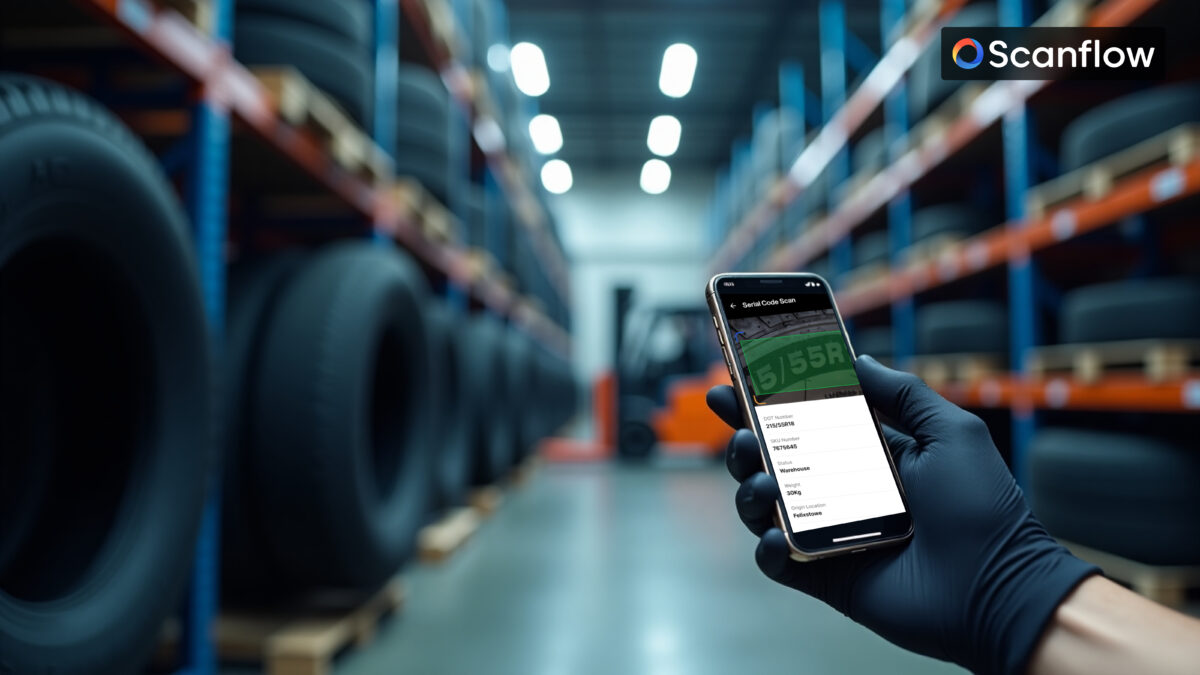
Instead of relying on external labels, barcodes, or manual logs, sidewall data capture uses computer vision and optical character recognition to extract this information directly from the tire. The system identifies each unit as it is received, moved, or retrieved without requiring any manual input.

This data is immediately matched to the expected SKU and stored in the warehouse management system in real time. As a result, the warehouse has a live, continuously updated inventory view based on what is actually in storage, not just what was scanned in at the door.

1. Asset-Level Identification at Entry

Tires are identified individually as they are unloaded, with precise data linked to each unit. This eliminates reliance on aggregated batch-level logging or barcode stickers that may detach or degrade.

2. Reduced SKU Mismatch During Retrieval

Operators retrieve tires based on validated data from the sidewall, not assumptions or packaging labels. The system flags any discrepancies between what is picked and what is expected.

3. Live Tracking of Tire Aging

Because each tire is scanned and time-stamped at arrival, its storage duration is tracked automatically. This enables FIFO or FEFO practices and prevents the creation of slow-moving or expired stock.

4. Real-Time Warehouse Snapshot

Management gets a complete picture of what is stored where, down to the model and age of each unit. This allows for better layout planning, stock rotation, and dispatch prioritization.

5. Space Utilization Optimization

With clear data on high-movement SKUs, warehouse teams can adjust placement zones and stacking logic to reduce time and effort spent on retrieval.

6. Reduction in Man-Hour Cost

Automated capture eliminates the need for repeated checks, re-scanning, and dual entry. Fewer errors mean fewer corrections, and fewer hands are needed to manage day-to-day tracking tasks.

Moving from Manual to Measurable

The shift from manual identification to structured AI sidewall capture is not just about saving time. It is about enabling tire warehousing operations to work with a level of data integrity and speed that matches the rest of the automotive manufacturing process.

Inaccurate or missing tire data delays dispatches, inflates inventory cost, and slows down assembly. When identification happens at the source; at the moment the tire is unloaded, these problems no longer accumulate. Warehouses become faster. Decisions become more informed. Stock becomes more visible and manageable.

Conclusion

Sidewall data capture transforms warehouse operations from manual and reactive to intelligent and data driven. By building traceability from the physical asset itself, it eliminates errors at the point of entry, improves selection accuracy during retrieval, and gives real-time visibility into every tire in the system.

For tire manufacturers, OEMs, and their warehousing partners, the message is simple: better data starts at the sidewall and the time to capture it is now.

If your teams are still spending time on manual tire checks, SKU revalidations, or inventory clean-ups, you’re losing more than just time – you’re losing traceability, efficiency, and cost control.

Scanflow lets you capture tire sidewall data directly from the tire; fast, accurate, and fully integrated into your existing workflows.

No guesswork. No double entry. Just clean data, from source to dispatch.

Book a walkthrough with our team to see how Scanflow fits into your warehousing environment.

Schedule a demo or Download SDK to start.

Categories
Barcode scanning

How AI is Transforming Data Capture Across Industries

In today’s fast-paced world, businesses are turning to AI for data capture to collect, process, and manage complex information with greater accuracy and speed. This technology extends beyond simple data extraction, it efficiently handles alphanumeric data like VIN plate scanning, tire sidewall numbers, serial numbers, Bar codes, QR codes etc., ensuring precision even in the most challenging conditions. 

Industries such as automotive, logistics, manufacturing, and retail are integrating AI visual inspection solutions and AI for data capture to streamline workflows, reduce manual errors, and enhance operational efficiency. This shift isn’t just a technological upgrade but it’s redefining how businesses capture and use data in real time.

  1. Expanding Data Capture Beyond Traditional Methods

AI is revolutionizing data capture by automating the collection of complex information across various environments. What once required manual data entry or specialized equipment can now be handled seamlessly by AI visual inspection workflows. 

Key applications of AI in advanced data capture include: 

VIN Plate Scanning: Essential in the automotive and logistics industries, AI quickly and accurately captures vehicle identification numbers, streamlining tracking, registration, and inventory. 

Tire Sidewall Numbers: AI can extract detailed information from tire sidewalls, supporting product verification, recall management, and quality assurance in manufacturing. 

Serial Number Scanning: Useful in electronics and industrial sectors, AI captures serial numbers for inventory tracking, warranty management, and equipment identification. 

Alphanumeric Text Recognition: AI retrieves data from labels, machinery plates, and industrial documentation, ensuring error-free data input and reducing manual workload.

Why it matters?

AI captures data from worn, distorted, or low-visibility surfaces, ensuring accurate collection under challenging conditions. This reduces errors, enhances data consistency, and allows businesses to maintain accurate records without manual oversight. 

  1. Automating Workflows for Greater Efficiency

Manual data entry is labor-intensive and prone to mistakes. AI introduces automation across industries, reducing the need for human intervention while improving accuracy and speed. This is particularly valuable in environments requiring high-volume data capture. 

Benefits of AI-automated workflows include: 

Faster Data Processing: AI captures and processes large volumes of data in seconds, accelerating operations in industries like logistics and automotive. 

Error Reduction: AI eliminates human error by accurately reading and recording alphanumeric information, even from difficult angles or damaged surfaces. 

Seamless Workflow Automation: AI integrates with existing ERP systems, warehouse management software (WMS), and supply chain platforms to automate data transfer and reporting. 

Industries such as manufacturing and retail benefit significantly from automated workflows, as AI can track incoming and outgoing shipments, verify product details, and ensure smooth operational transitions. 

  1. AI for Data capture: From Capture to Insight

AI doesn’t just capture data. Once collected, the data is processed, organized, and integrated with existing systems to provide a comprehensive view of business operations. 

Applications of AI for data management across industries include: 

Inventory Control: In warehousing and logistics, AI tracks product movement and ensures real-time updates, reducing miscounts and stock discrepancies. 

Automated Audits: AI facilitates internal audits by automating the collection and verification of critical data, ensuring compliance with industry regulations. 

Data Accuracy and Reporting: AI improves reporting precision by capturing real-time data across multiple touchpoints, enhancing supply chain visibility and operational transparency. 

By automating data management, businesses can process vast information efficiently while maintaining accuracy, ultimately enhancing decision-making and optimizing resource allocation. 

  1. Industry-Specific Use Cases of AI in Data Capture

AI’s adaptability makes it invaluable across multiple sectors, where it enhances efficiency and reduces human error. Here’s how AI-driven data capture transforms different industries: 

Automotive Industry: AI simplifies VIN plate scanning, improves inventory accuracy, and facilitates compliance tracking across vehicle fleets. 

Logistics & Supply Chain: AI automates serial number scanning for package tracking, delivery validation, and warehouse automation, ensuring faster and more accurate logistics. 

Manufacturing: AI captures tire sidewall numbers and other industrial identifiers, streamlining product lifecycle management and enhancing production efficiency. 

Retail & Consumer Goods: AI supports large-scale inventory tracking and customer data management, improving efficiency in managing supply chains and retail stock. 

Healthcare: AI assists in capturing device serial numbers and alphanumeric codes on medical instruments, ensuring accurate records for regulatory compliance. 

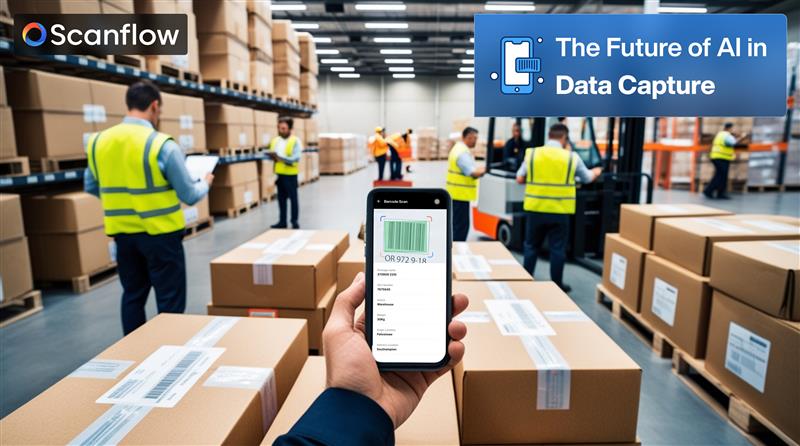
The Future of AI in Data Capture

The future of AI visual inspection solutions is poised to bring even more advanced capabilities to data capture and management. With ongoing advancements, AI will offer: 

Improved Recognition Accuracy: Enhanced models for capturing data from irregular surfaces, low-light environments, and damaged labels. 

Integrated Systems: Seamless communication with broader digital ecosystems, including IoT devices and smart supply chains. 

Scalable Automation: Greater scalability for industries handling high volumes of alphanumeric data, ensuring accuracy across diverse applications. 

Conclusion: AI is Redefining Data Capture 

AI is transforming the way industries handle data capture, moving beyond traditional methods to deliver faster, more accurate, and automated solutions. From VIN plate scanning in the automotive sector to serial number scanning in logistics, AI enhances efficiency and reduces human error across various touchpoints. 

By integrating AI visual inspection workflows and AI for data capture, businesses can automate complex processes, improve operational accuracy, and gain real-time insights. This shift not only optimizes resource allocation but also ensures smoother, more efficient workflows across industries. 

As AI continues to evolve, its applications in data capture will expand, offering smarter, more scalable solutions that drive innovation and operational excellence. Embracing these advanced technologies is no longer optional, it’s essential for businesses looking to stay competitive in a data-driven world.

To stay ahead of this curve, Explore Scanflow AI and see how it can benefit your business operations, visit – https://www.scanflow.ai/get-in-touch/
Categories
label capture

Revolutionizing Car Door Component Inspections with Scanflow’s Vision Intelligence technology

In the competitive automotive industry, ensuring quality control is paramount. For manufacturers, every component in a car must meet stringent standards to guarantee performance, safety, and customer satisfaction. Yet, manual inspection of complex parts like car doors is often time-consuming and prone to errors. What if this process could be automated to enhance efficiency, accuracy, and cost savings? 

This is where Scanflow’s vision intelligence technology steps in, transforming the way car door components are inspected. 

The Business Impact: Why Automated Inspections Matter 

For manufacturers, even minor defects in car door components can lead to:

  • Increased Costs: Reworking or replacing defective parts adds to production expenses. 
  • Reputation Damage: Faulty components can tarnish a brand’s image and lead to customer dissatisfaction. 
  • Safety Concerns: Critical issues with door alignment, seals, locks, or window mechanisms may compromise passenger safety. 

Automating the inspection process ensures that every component meets quality standards, minimizing defects and optimizing production workflows. 

How Scanflow’s Vision Intelligence Enhances Door Component Inspections 

Scanflow leverages advanced vision intelligence to automate and optimize the inspection of key car door checkpoints. This AI-powered system is designed to identify defects across four critical areas: 

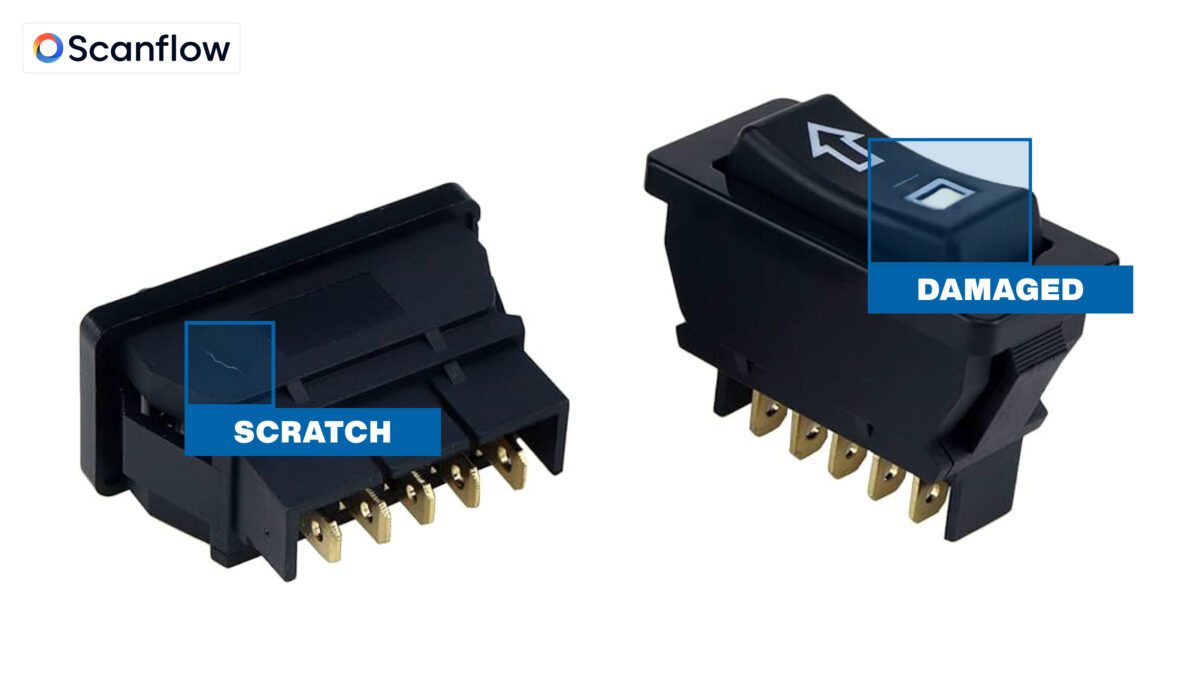
  1. Door Alignment and Fitment: Scanflow’s imaging technology accurately detects misalignments between the door and the vehicle’s body. Its precision ensures that any deviations are flagged for immediate rectification. 
  2. Lock and Latch Mechanisms: By analysing the structural integrity and operation of locks and latches, Scanflow identifies any inconsistencies or potential failures, ensuring top-notch security. 
  3. Window Operation: The system evaluates the smoothness and reliability of manual or electric window mechanisms, highlighting any issues that could impact functionality. 
  4. Seal Integrity: Using high-resolution imaging, Scanflow examines seals for wear, gaps, or cracks, ensuring a perfect barrier against water, noise, and external elements. 

The Benefits of Automating Inspections with Scanflow 

Integrating Scanflow’s vision intelligence into the production line delivers numerous business advantages: 

  • Improved Accuracy: Detects even the smallest defects that might be missed by human inspectors. 
  • Faster Inspections: Streamlines quality control processes, reducing production time. 
  • Cost Efficiency: Minimizes rework, waste, and the risk of recalls by ensuring consistent quality. 
  • Enhanced Safety Standards: Ensures components meet safety requirements, building trust with customers. 
  • Data-Driven Insights: Provides detailed reports and analytics to improve manufacturing processes continuously. 

Why Scanflow is the Game-Changer for Automotive Manufacturers 

With Scanflow, automotive manufacturers can transition from reactive quality control to a proactive, data-driven approach. Its vision intelligence technology not only identifies defects but also enables teams to address potential issues early, maintaining the highest standards of quality and reliability. 

Conclusion: Elevate Your Quality Control with Scanflow 

Automating car door component inspections is no longer a future aspiration—it’s a necessity in today’s competitive landscape. With Scanflow’s vision intelligence, manufacturers can achieve unparalleled precision and efficiency, ensuring every vehicle leaves the production line flawless. 

Ready to transform your quality control process?  

Contact us today to see how Scanflow can drive your success. 

Categories
Quality control

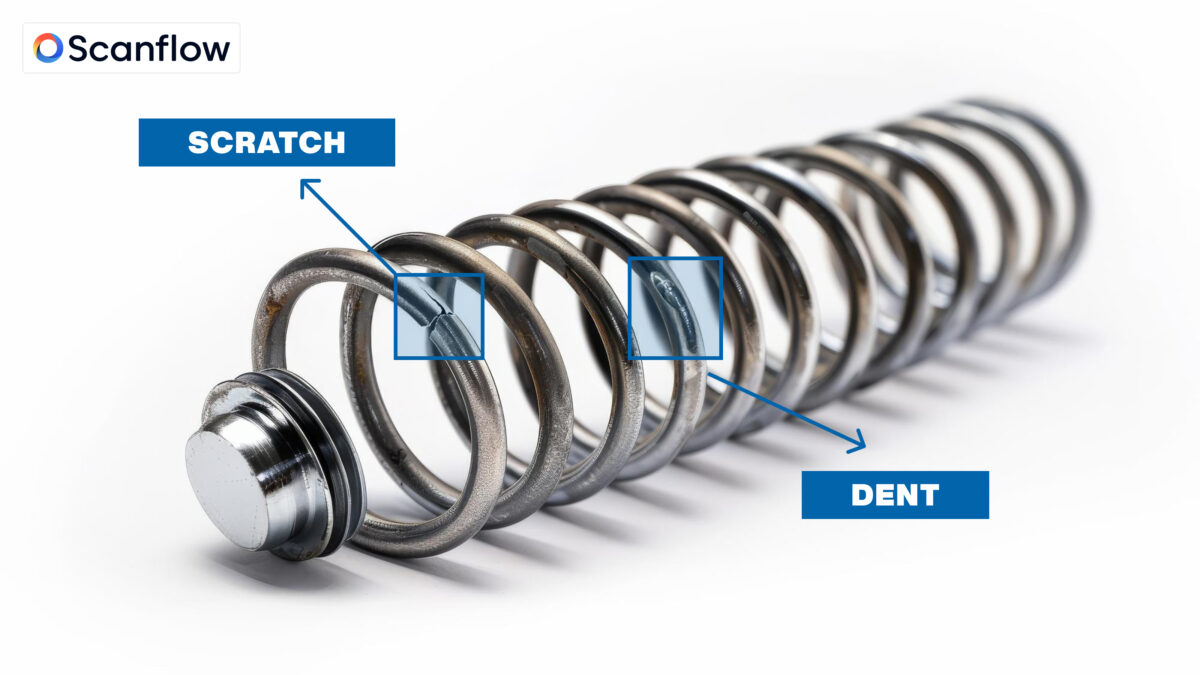
Identifying Coil Spring Damage: AI-Driven Detection for Cracks, Holes, and Dents

Coil springs are vital components in automotive and industrial machinery, ensuring stability and smooth operation. However, their constant exposure to stress, environmental factors, and wear can lead to cracks, holes, and dents that compromise performance and safety. Early detection is crucial, and with AI based technology, the process has become more efficient and reliable than ever. 

Why Coil Spring Damage is a Critical Concern? 

Even minor defects in coil springs can lead to serious issues such as: 

1. Reduced Performance: Faulty springs affect load handling and vehicle stability. 

2. Increased Risk of Failure: Cracks and holes can worsen over time, leading to sudden breakage. 

3. Costly Repairs: Neglecting small defects often results in expensive replacements or system-wide damage. 

Manual inspections, while necessary, are prone to human error and may fail to detect subtle signs of damage. 

Revolutionizing Detection with AI Automation 

AI-driven coil spring damage detection has transformed how damage is identified, making inspections faster, more accurate, and cost-effective. Here’s how this technology works:

1. High-Precision Imaging: AI captures detailed scans of coil springs, identifying even microscopic defects like hairline cracks or surface irregularities.

2. Automated Analysis: The system analyses patterns and compares them to benchmarks, flagging deviations that indicate potential damage.

3. Comprehensive Reporting: Real-time insights and reports help technicians take immediate action, preventing further deterioration.

4. Seamless Integration: The AI system integrates effortlessly into existing quality control workflows, reducing downtime and operational disruption. 

Key Benefits of AI-Driven Detection 

By automating the detection process, businesses can:

1) Ensure Safety: Proactively address damage to maintain operational safety and stability. 

2) Reduce Costs: Early identification minimizes repair expenses and prevents extensive damage. 

3) Save Time: Automated analysis speeds up inspections, freeing up resources for other tasks. 

4) Enhance Accuracy: Eliminate human error for more reliable results. 

Why Scanflow is the Ideal Solution?

Scanflow leads the charge in AI enhanced coil spring detection. Its advanced imaging and AI capabilities are specifically designed to detect cracks, holes, and dents with unparalleled accuracy. Businesses across industries trust Scanflow for its: 

a) Precision and reliability. 

b) Easy integration into existing systems. 

c) Real-time reporting for actionable insights. 

Conclusion: Embrace the Future of Coil Spring Inspection 

AI-driven technology is reshaping the way coil spring damage is identified, ensuring safety, efficiency, and cost savings. With solutions like Scanflow, businesses can stay ahead of potential issues and maintain the highest standards of quality and performance. 

Take the first step towards automated coil spring inspections.  

Contact us today to learn how Scanflow can revolutionize your detection process! 

Categories
Text Scanning

Transforming Fastener Manufacturing: How Vision Intelligence Ensures Accurate Bolt and Nut Counts for Perfect Shipments

In the world of fastener manufacturing, precision is everything. A leading fastener manufacturer in the US faced a persistent issue: ensuring the accurate count of bolts and nuts post-production before shipment. Missing components in shipment boxes led to customer dissatisfaction and increased returns, impacting the manufacturer’s reputation and operational efficiency.

To address this challenge, Scanflow introduced a state-of-the-art solution using vision intelligence technology. This innovative approach revolutionized the counting process, ensuring every shipment meets exact specifications. Below, we explore the problem, the implemented solution, and the significant impact on the manufacturer’s operations.

For the fastener manufacturer, the challenge was twofold:

  • Counting Accuracy: The manual or semi-automated process of counting bolts and nuts after retrieval from the furnace conveyor was prone to errors. This often led to discrepancies in the packed quantities.
  • Customer Dissatisfaction: Boxes with missing components resulted in customer complaints, returned shipments, and a loss of trust. This not only disrupted operations but also added costs for re-shipping and quality rechecks.

The manufacturer needed an automated, reliable solution to eliminate counting errors and ensure accurate shipments.

Vision Intelligence for Counting Precision

  • Challenge: Achieving accurate counts of bolts and nuts before packaging.
  • Solution:

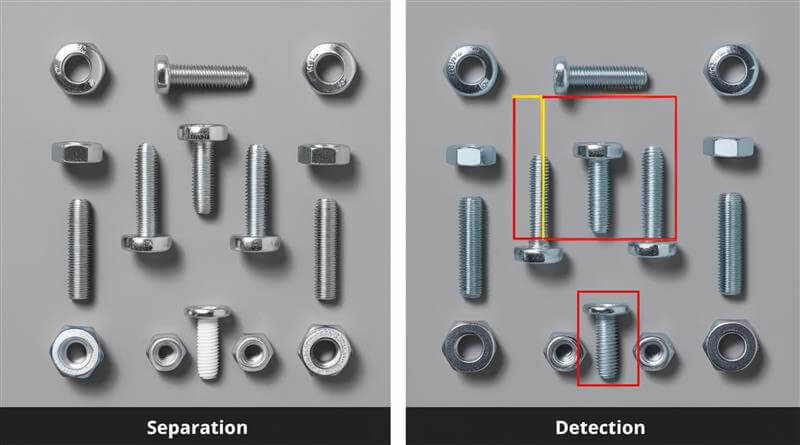
  • Camera-Based Vision System: Scanflow implemented a vision intelligence solution utilizing high-resolution cameras to capture images of bolts and nuts as they move along the conveyor.
  • Automated Counting Algorithm: Advanced image processing algorithms analyze the captured visuals to count each bolt and nut accurately in real-time.
  • Integration with Packing Systems: The system integrates seamlessly with the packaging process, ensuring the correct quantity of components is packed into each box.

Quality Control Verification

  • Challenge: Making shipments QC-verified before dispatch.
  • Solution:

  • Final Inspection Alert: The system flags any discrepancies in count before boxes are sealed, allowing operators to correct errors immediately.
  • Real-Time Reporting: A dashboard displays live count data, providing transparency and accountability in the QC process.

The implementation of vision intelligence technology delivered transformative results:

  • 100% Accuracy in Counts: The automated system eliminated human errors, ensuring every box contained the precise number of bolts and nuts as per customer requirements.
  • Reduced Returns: Accurate shipments drastically reduced the number of returned boxes, enhancing customer satisfaction.
  • Increased Operational Efficiency: Automation streamlined the counting and packaging processes, reducing time and labor costs.
  • Enhanced Reputation: Consistent quality assurance reinforced the manufacturer’s reliability and strengthened customer relationships.
  • Data-Driven Insights: Real-time reporting provided valuable data for process optimization and future scalability.

AI Visual Inspection Solutions

By leveraging vision intelligence, this fastener manufacturer overcame a critical quality control challenge, transforming its operations and reinforcing its commitment to excellence. The integration of cutting-edge technology not only ensured precise shipments but also enhanced customer trust and operational efficiency.

In the fast-paced world of manufacturing, adopting innovative solutions like Scanflow’s vision intelligence is essential for staying competitive, delivering exceptional quality, and driving growth in the industry.

Revolutionizing Manufacturing with Vision Intelligence: Real-Time Detection of Carbon Soot on Conveyor Lines

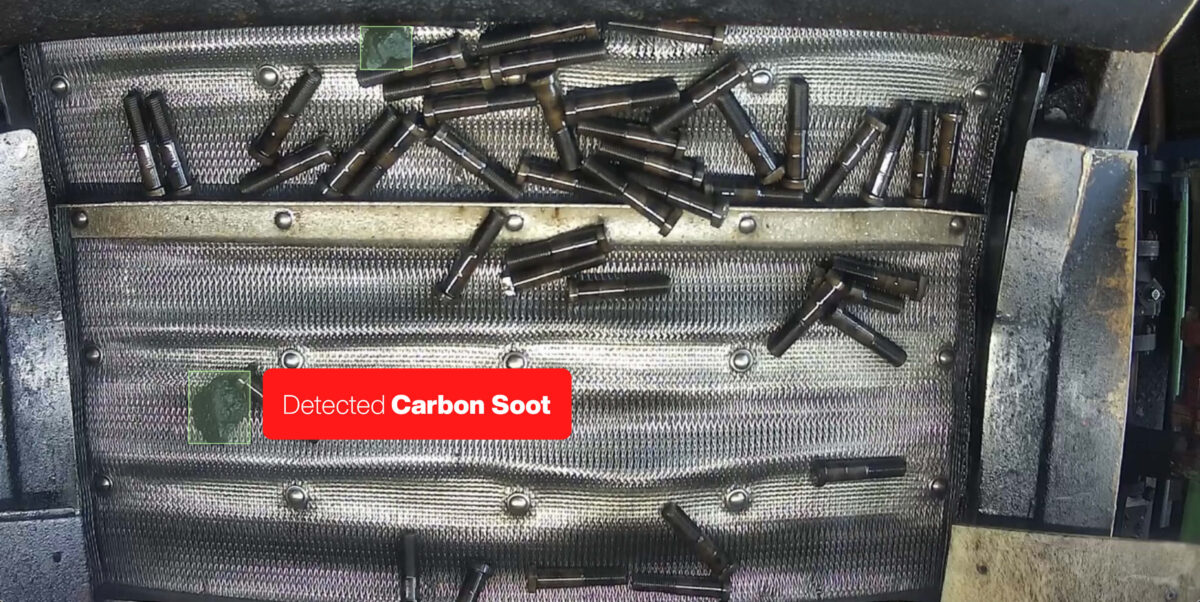
At Scanflow, we have successfully tackled a critical issue affecting the quality of manufactured parts for one of our industrial clients: the detection of carbon soot particles on conveyor lines. In high-speed manufacturing environments, every detail matters, and foreign particles can lead to considerable quality issues. This technical article will walk through our intelligent solution for detecting and managing carbon soot—a byproduct of industrial heating and cooling processes—leveraging state-of-the-art vision intelligence.

Our client, a high-volume manufacturer of metal items like nuts, bolts, washers, and studs, operates with multiple conveyor lines to streamline the heating, cooling, and processing of these components. However, during these intensive processes, chemicals and materials evaporate and condense, forming solid particles known as carbon soot. As the conveyor transports metal items for further treatment, carbon soot particles often latch onto them, obstructing the heating process required for rigidity. This interference weakens the metal components, compromising their durability and quality, which directly affects the reliability of the finished product.

The project’s primary objective was to develop an intelligent, automated system capable of detecting and alerting operators about the presence of carbon soot on conveyor lines. By achieving a high detection accuracy, we aimed to enhance product quality and reduce rework costs, aligning with our client’s quality control standards. Our solution integrates advanced vision intelligence with high-speed alert and response mechanisms to deliver an effective end-to-end solution, achieving a remarkable 99% detection success rate.

The developed solution is a sophisticated vision intelligence system, combining powerful hardware and advanced AI algorithms. Below are the essential components:

  • 1. Hardware Units
  • High-Definition Cameras: Strategically placed to capture detailed visuals of conveyor belts, the cameras are capable of continuous, high-speed monitoring.
  • GPU-Accelerated Processing Unit: A dedicated GPU server allows the system to process high-resolution images in real-time, facilitating rapid soot detection.
  • Fiber Optic Communication Unit: For seamless data transmission, fiber optic technology ensures minimal latency in communication between system components.
  • 2. Software
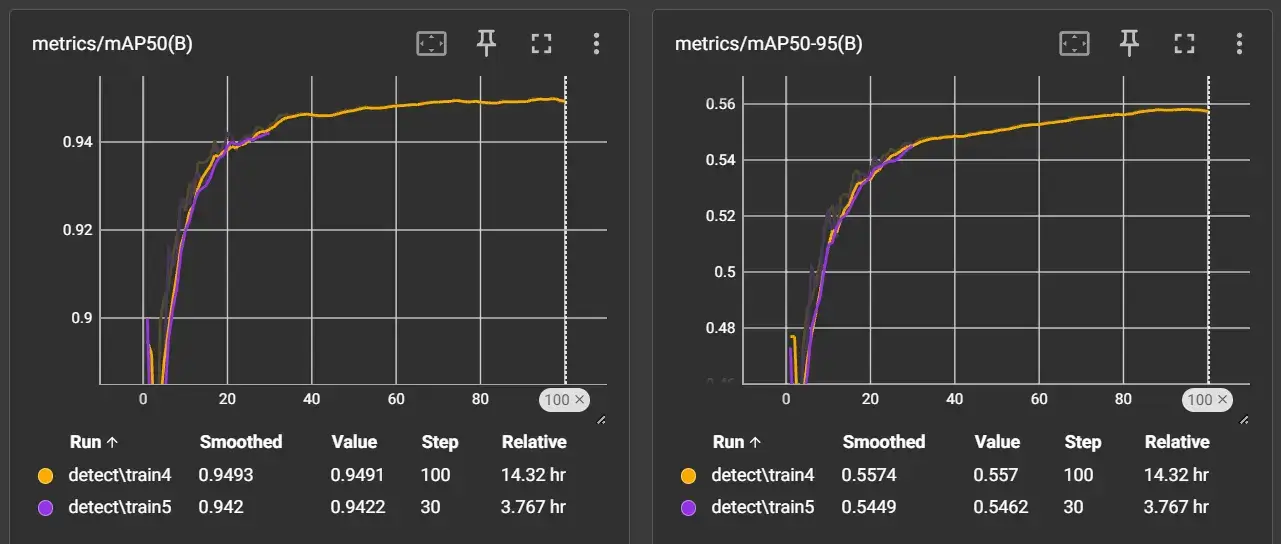
  • AI Model for Soot Detection: Our proprietary AI model was trained on client-specific data, using supervised learning techniques to achieve robust performance metrics. With an accuracy rate of 98%, the model leverages state-of-the-art object detection and classification algorithms, performing localization and segmentation for precise carbon soot identification.
  • User Interface (UI): The system includes an intuitive UI for real-time monitoring and configuration, allowing operators to customize key settings such as detection thresholds, storage paths, and alert configurations.

Our AI research engineers designed and trained the model using client-specific data collected from the production line. Here’s a summary of the steps involved:

  • Data Collection and Annotation:

Visual data was collected from the client’s conveyor systems, followed by extensive annotation to mark carbon soot instances for supervised learning.

  • Model Training and Optimization:

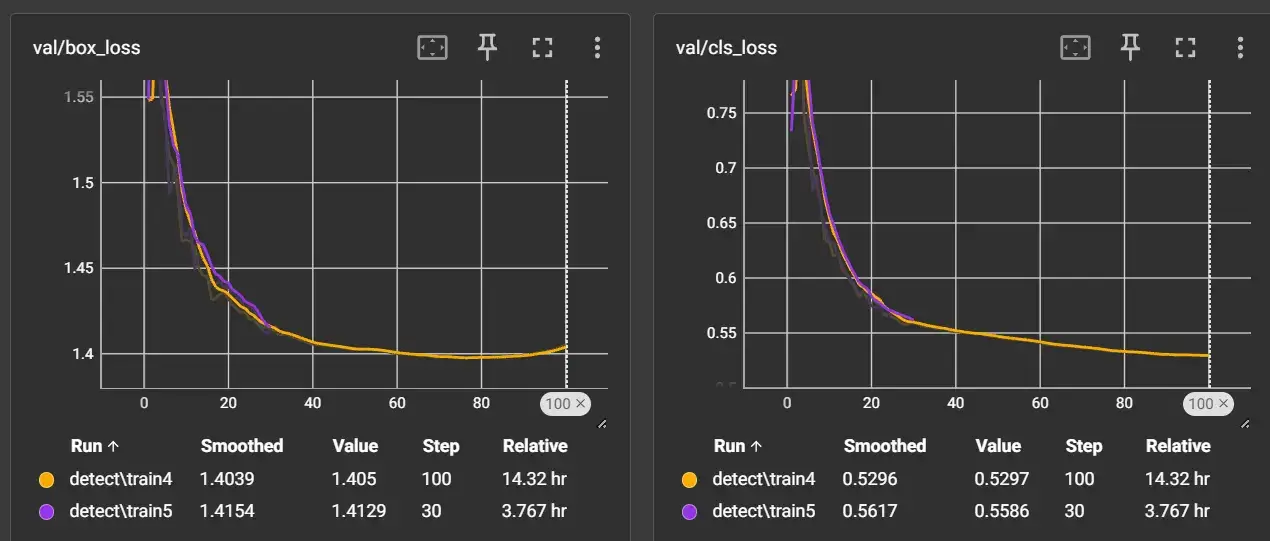
Using advanced hyperparameter tuning techniques, the model was trained for 1.5 days in our research lab, leveraging GPUs for accelerated learning.

  • Model Security and Deployment:

The AI model was encrypted with AES-256 security standards, ensuring data privacy and system integrity in the client’s production environment.

  • Rigorous Evaluation:

The model underwent extensive evaluation using metrics specific to object detection, classification, and segmentation. Final deployment followed successful on-site testing, verifying the model’s high accuracy and consistency.

Key Features and Customizability of the Solution

Our system offers a range of configurable options designed to meet the client’s operational needs and improve usability:

  • Threshold Customization: Operators can adjust detection sensitivity to suit specific production conditions.
  • Storage Management: The system provides options to change image storage paths based on operational requirements.
  • Alert System and Automation: Configurable SMS alerts and real-time notifications enable immediate action when carbon soot is detected, ensuring quick response times and reducing potential quality issues.

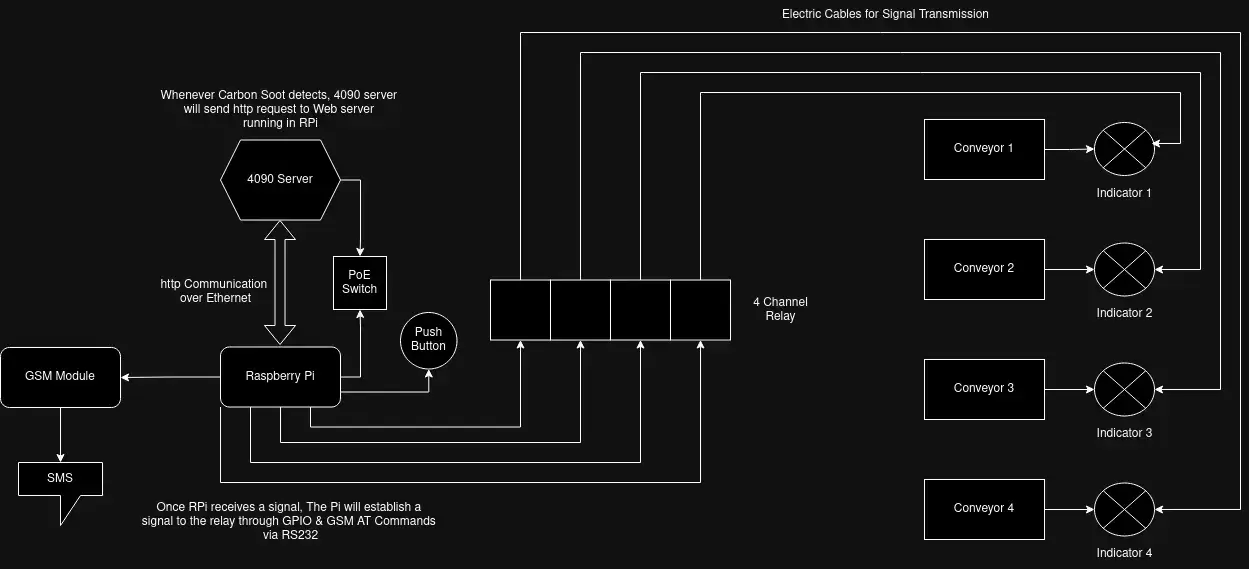
To enhance response time, we developed a real-time alert system using a custom electronic circuit paired with a Raspberry Pi. The circuit triggers an alarm and alert light, guiding operators to the affected conveyor section for immediate action. This setup, combined with a relay connected to the Raspberry Pi, ensures seamless, high-speed communication between the AI system and the alert mechanism via fiber optic connections.

Furthermore, we integrated the client’s existing SMS alert system with our AI solution, enabling alerts to be sent directly to plant supervisors and managers. By leveraging their local server infrastructure, we streamlined the alerting process, ensuring that relevant personnel are promptly informed of any carbon soot incidents, minimizing production downtime.

Our solution monitors four conveyor lines simultaneously, running 24/7 to meet the high-speed demands of the manufacturing environment. The client-server architecture implemented within the system ensures reliable communication, while the use of fiber optics enhances data transfer speeds and minimizes latency, further improving the overall efficiency of the detection system.

Our vision intelligence system has proven highly effective in achieving quality standards for the client, with real-time detection and automated alerts offering a proactive approach to managing carbon soot contamination. By preventing undetected particles from compromising the quality of metal components, our solution has enhanced the durability and reliability of the client’s products.
This project exemplifies the power of combining hardware innovation with AI-driven insights. As a result, our client can now maintain high-quality standards, avoid costly rework, and ensure customer satisfaction, all while benefiting from an automated and customizable solution that operates around the clock.

Our carbon soot detection system showcases Scanflow’s commitment to solving complex industrial challenges through vision intelligence. This solution, developed and deployed to handle the demanding conditions of an industrial environment, has successfully mitigated a critical production issue for our client. By leveraging AI, custom hardware, and seamless alert mechanisms, we have built a solution that is both technically robust and operationally efficient, providing our client with an advanced tool to maintain the highest quality standards in their manufacturing process.

Categories
Quality control

The Future of Visual Inspection for Automotive Manufacturing: AI Scanning Solutions in 2024

The automotive industry is undergoing a rapid transformation, driven by technological advancements and increasing consumer demands for high-quality vehicles. To meet these expectations, manufacturers are turning to innovative solutions that enhance efficiency, improve product quality, and reduce costs. One such solution is the integration of artificial intelligence (AI) into visual inspection processes.

AI-powered scanning solutions have emerged as a game-changer for automotive manufacturing. These systems leverage advanced algorithms and computer vision techniques to automate visual inspection tasks, such as detecting defects, verifying dimensions, and assessing surface quality. By replacing traditional manual inspection methods, AI scanning solutions offer several key benefits:

  • Enhanced accuracy: AI algorithms can detect defects that human inspectors may miss, ensuring higher product quality.
  • Increased efficiency: Automated inspection reduces the time required to inspect each vehicle, improving productivity and throughput.
  • Reduced costs: AI scanning solutions can lower operational costs by eliminating the need for manual labor and reducing scrap rates.
  • Improved consistency: AI systems provide consistent inspection results, reducing variability and improving overall quality.

When selecting an AI scanning solution for your automotive manufacturing business, consider the following factors:

  • Inspection requirements: Identify the specific visual inspection tasks you need to automate.
  • Integration capabilities: Ensure that the solution can be seamlessly integrated into your existing production processes.
  • Scalability: Choose a solution that can grow with your business and accommodate future expansion.
  • Cost-effectiveness: Evaluate the total cost of ownership, including hardware, software, and maintenance.

By carefully considering these factors, you can select an AI scanning solution that delivers the best value for your business.

Scanflow is a leading provider of AI-powered scanning solutions for the automotive industry. Their innovative technology enables manufacturers to automate various visual inspection tasks, including:

  • Component inspection: Verifying the quality of components such as headlights, taillights, and interior trim.
  • Assembly line inspection: Monitoring the assembly process to ensure that vehicles are built correctly.
  • Final inspection: Assessing the overall quality of completed vehicles before they leave the factory.

Scanflow’s solutions are designed to meet the specific needs of automotive manufacturers, offering high accuracy, speed, and reliability. Their technology is also adaptable to different inspection scenarios, making it suitable for a wide range of applications.

AI Visual Inspection Solutions

AI scanning solutions are playing a crucial role in transforming the automotive manufacturing industry. By automating visual inspection tasks, these solutions enhance quality, improve efficiency, and reduce costs. Scanflow’s innovative technology offers a reliable and effective solution for manufacturers seeking to optimize their production processes. As AI continues to advance, we can expect to see even more sophisticated and powerful scanning solutions emerging in the years to come.

Categories
Quality control

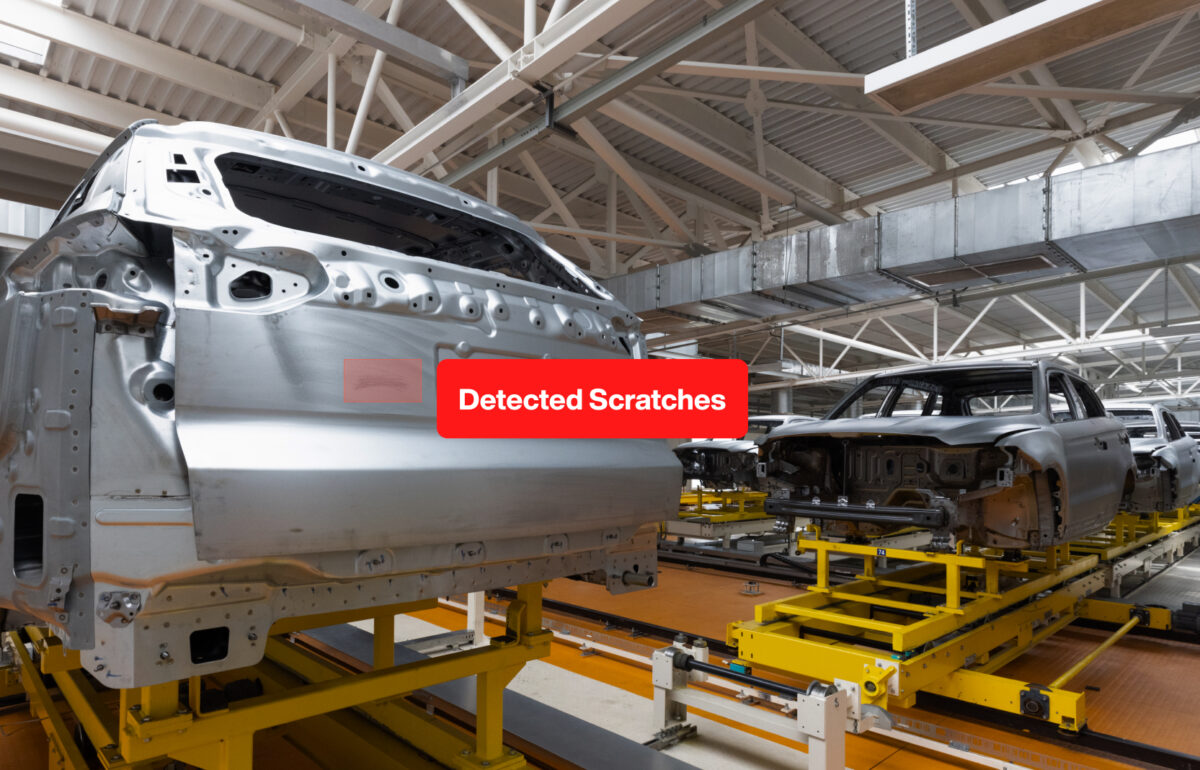
Building an Advanced Scratch Detection System with YOLOv8x-seg

In today’s fast-paced manufacturing environment, quality control is paramount. Ensuring that products, especially in the automotive industry, meet high standards requires cutting-edge technology. Our recent project focused on developing an advanced inspection system for scratch detection, leveraging state-of-the-art machine learning models and computer vision techniques. This blog delves into the technical details of our project, covering data collection, preprocessing, model training, deployment, and real-time inference.

The goal of our project was to create an inspection system capable of detecting scratches on automobile surfaces. We aimed for a system that not only identifies the presence of these defects but also precisely segments the affected regions. To achieve this, we utilized the YOLOv8x-seg model, a top-tier model in object detection and segmentation, developed using the Ultralytics framework.

The foundation of any successful machine learning project is a robust dataset. We collected a comprehensive dataset comprising images of automobile surfaces, annotated with scratch locations. The data collection process involved:

  • Image Acquisition: High-resolution images were captured using an IP bullet camera setup in a controlled environment.
  • Annotation: Each image was meticulously annotated to mark the bounding boxes and segment the areas affected by scratches.

To enhance the robustness of our model, we applied several data augmentation techniques. These included:

  • Random Cropping: To simulate different viewpoints and scales.
  • Rotation and Flipping: To make the model invariant to orientation changes.
  • Color Jittering: To account for varying lighting conditions.
  • Noise Addition: To simulate different types of camera noise and imperfections.

Data preprocessing involved several steps to prepare the images for model training:

  • Normalization: Scaling pixel values to a range suitable for the model.
  • Resizing: Adjusting image dimensions to fit the input size required by YOLOv8x-seg.
  • Label Encoding: Converting annotations into a format compatible with the training framework.

We chose the YOLOv8x-seg model due to its superior performance in both object detection and segmentation tasks. This model was trained using the Ultralytics framework, which provides a user-friendly interface and powerful tools for model development. Our training setup included:

  • Hardware: NVIDIA RTX 4090 GPU for accelerated training, supported by an Intel i7 processor.
  • Framework: Ultralytics for model implementation, leveraging CUDA for GPU acceleration.
  • Hyperparameters: Carefully tuned parameters like learning rate, batch size, and epochs to optimize model performance.

To ensure the model’s robustness and accuracy, we implemented various computer vision and deep learning techniques available in the Ultralytics framework:

  • Transfer Learning: Starting with a pre-trained YOLOv8x-seg model and fine-tuning it on our dataset.
  • Multi-Scale Training: Training the model on images of varying scales to improve its ability to detect objects at different sizes.
  • Loss Function Optimization: Using advanced loss functions to enhance the model’s capability to segment defects accurately.

Evaluating the model involved several metrics to ensure high accuracy and robustness:

  • Precision and Recall: Measuring the model’s ability to correctly identify defects without false positives.
  • IoU (Intersection over Union): Assessing the overlap between the predicted bounding boxes and the ground truth.
  • Segmentation Accuracy: Evaluating the accuracy of the segmented regions within the bounding boxes.

Our model achieved outstanding performance, with high precision, recall, and IoU scores, demonstrating its reliability in detecting and segmenting scratches.

The trained model was deployed on an on-premises server, connected to an IP bullet camera. This setup allows for real-time inspection of automobiles, with the system capable of:

  • Real-Time Detection: Continuously monitoring the production line and identifying defects as they appear.
  • High Accuracy: Providing reliable detection and segmentation results, ensuring quality control.
  • Robust Performance: Operating effectively under various lighting and environmental conditions.

Our scratch detection system showcases the power of combining state-of-the-art deep learning models with robust data collection and preprocessing techniques. The use of YOLOv8x-seg and the Ultralytics framework enabled us to develop a high-performing, real-time inspection system that meets the stringent demands of the automotive industry. With its deployment, manufacturers can ensure higher quality standards and reduce the risk of defective products reaching customers.

Categories
Quality control

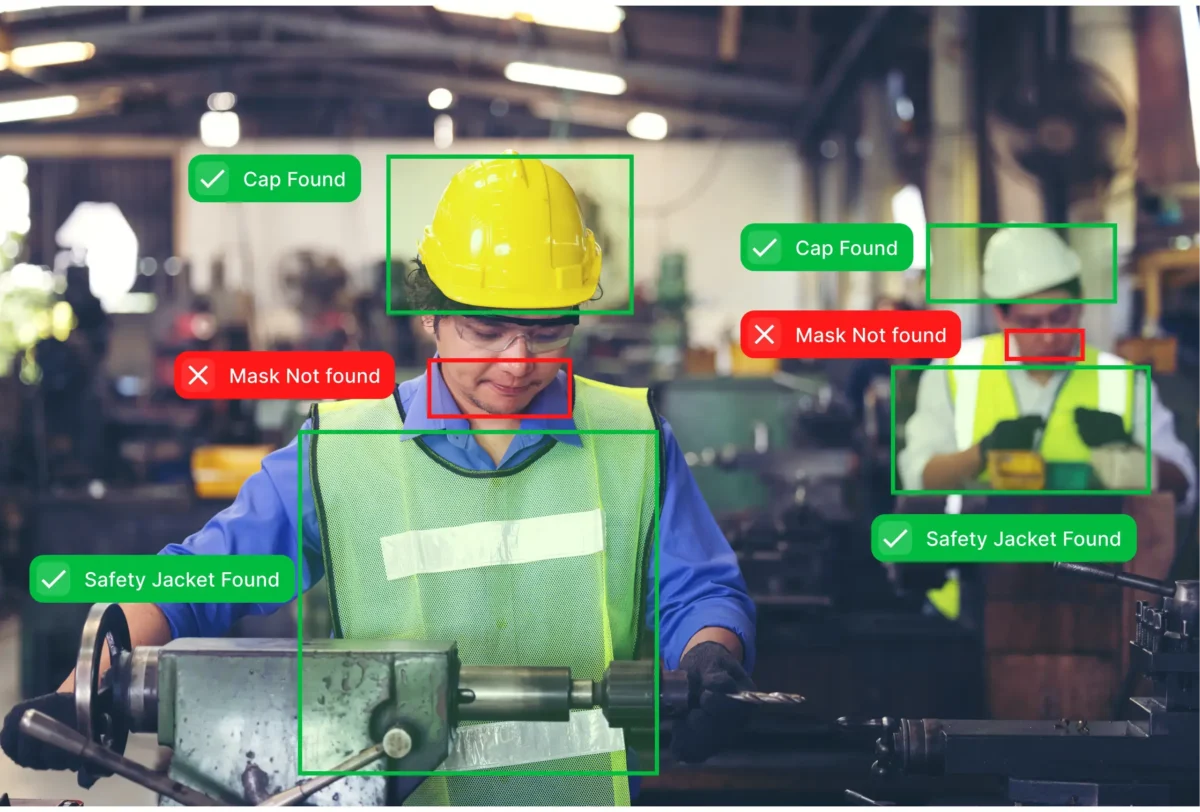
Enhancing Construction Site Safety with Automated PPE Detection Systems

Construction sites are dynamic and potentially hazardous environments where the safety of workers is paramount. Ensuring that all personnel are equipped with necessary personal protective equipment (PPE), such as helmets, vests, and gloves, is critical in preventing accidents and injuries. Traditional methods of monitoring PPE compliance can be labor-intensive and error prone. However, the advent of automated PPE detection technology offers a robust solution. This article explores the application of an automated PPE detection and alert system in construction sites, detailing its functionality, benefits, and impact on safety management.

Imagine a busy construction site where dozens of workers are engaged in various tasks, from building scaffolds to operating heavy machinery. Safety is a top priority, but manually monitoring each worker to ensure they are wearing the necessary personal protective equipment (PPE) can be challenging. This is where the automated PPE detection system comes into play, ensuring compliance and enhancing safety through advanced technology. The automated PPE detection system uses advanced computer vision and machine learning algorithms to monitor workers in real-time and ensure compliance with PPE requirements. Here’s how the system operates:

  1. CCTV Monitoring: Early in the morning, the construction site comes alive with construction activity. High-resolution CCTV cameras are strategically installed at key locations such as entry points, work zones, machinery areas, and begin capturing video footage. These cameras are positioned to cover all angles, ensuring that no area is left unmonitored and capture clear and detailed images. These images provide the raw data that the system needs to analyze and detect PPE compliance accurately.
  2. PPE Detection: As workers move about the site, the video feed from the cameras is continuously streamed to a central processing unit. The system uses advanced computer vision algorithms, trained on thousands of images, to identify specific items of PPE, such as helmets, vests, and gloves. For instance, as a group of workers begins to install steel beams, the system scans each individual to confirm they are wearing their helmets, reflective vests, and gloves.
    The computer vision algorithms are designed to recognize the shapes, colors, and textures of the required PPE. By comparing the real-time video feed with its trained dataset, the system can accurately detect whether each worker is wearing the necessary safety gear. This detection happens in real-time, allowing for immediate identification of compliance or non-compliance.
  3. Violation Detection: When the system identifies a worker who is not wearing a helmet and busy with a task, has removed the helmet momentarily. The system immediately flags this as a violation. A marker is placed on the live video feed, highlighting the non-compliant worker. When a worker is detected without the necessary PPE, the system flags this as a violation.
    The system’s ability to detect violations relies on its continuous analysis of the video feed. When it spots a worker without the required PPE, it uses a combination of object recognition and motion tracking to ensure that the violation is accurately identified and recorded. This process ensures that even momentary lapses in PPE use are detected.
  4. Real-Time Alert: As soon as the violation is detected, an audible alert sounds on the consol of the construction site. This alert is designed to be loud enough to be heard. The worker and nearby colleagues hear the alert and immediately recognize that there is a safety issue.
    The real-time alert serves as an immediate call to action. The sound draws attention to the non-compliance, prompting the worker to correct the issue promptly. This instant feedback mechanism ensures that safety violations are addressed on the spot, minimizing the risk of accidents.
  5. Notify the Site Owner: Concurrently, the system sends a notification to the site owner’s through WhatsApp. The message includes critical information about the violation: the time it occurred, the exact location, and a snapshot from the video footage showing the worker without the helmet. The site owner, who may be off-site, receives this information in real-time and can review the incident.
    By sending detailed messages to the site owner, the system ensures that top-level management is always aware of the site’s safety status. This transparency allows for better oversight and ensures that safety protocols are enforced consistently. The snapshot from the video footage provides visual evidence of the violation, making it easier to address and document the issue.
  1. Enhanced Safety: The primary benefit of the automated PPE detection and alert system is the significant enhancement of safety on construction sites. By providing continuous and automated monitoring, the system ensures high levels of PPE compliance among workers. This constant vigilance reduces the likelihood of accidents and injuries, as workers are more likely to adhere to safety protocols when they know they are being monitored. The immediate detection and correction of PPE violations prevent potentially hazardous situations from escalating, thereby creating a safer working environment for everyone involved.
  2. Operational Efficiency: The system greatly improves operational efficiency by automating the monitoring process. Traditional methods of ensuring PPE compliance often require dedicated safety officers to conduct regular inspections and checks, which can be time-consuming and labor-intensive. With the automated system in place, these manual checks are significantly reduced, allowing safety officers to focus on other critical tasks such as safety training, hazard assessment, and emergency preparedness. This shift not only optimizes the use of human resources but also ensures that the site operates smoothly and efficiently.
  3. Immediate Corrective Actions: One of the key advantages of the automated PPE detection system is its ability to facilitate immediate corrective actions. When a PPE violation is detected, the system generates real-time alerts, which can be in the form of audible alarms on-site, push notifications to supervisors’ mobile devices, or visual cues on the live video feed. These instant alerts prompt immediate responses, ensuring that non-compliance is addressed quickly and effectively. This rapid response capability is crucial in mitigating risks and preventing accidents, as it minimizes the time workers are exposed to potential hazards.
  4. Accountability and Transparency: The automated system enhances accountability and transparency within the construction site. Every compliance incident is logged with detailed information, including the time, location, and a snapshot from the video footage. These logs provide a clear record of all safety breaches and the actions taken to address them. This comprehensive documentation is invaluable for safety audits, as it offers concrete evidence of compliance efforts and incident responses. Moreover, the data collected can be analyzed to identify recurring issues and areas for improvement, informing targeted safety training and policy adjustments.
  5. Regulatory Compliance: Adhering to safety regulations is a critical aspect of construction management, and the automated PPE detection system plays a vital role in ensuring regulatory compliance. The system’s detailed logging and reporting capabilities help construction companies maintain accurate records of PPE compliance, which is essential during regulatory inspections and audits. By consistently monitoring and documenting PPE use, the system minimizes the risk of penalties and legal issues associated with non-compliance. Furthermore, the detailed reports generated by the system provide insights that can be used to improve safety practices, ensuring that the site not only meets but exceeds regulatory standards.

AI Visual Inspection Solutions

The automated PPE detection and alert system revolutionizes construction site safety by ensuring real-time monitoring and compliance. It significantly enhances worker protection, boosts operational efficiency, and ensures regulatory adherence. This proactive approach not only safeguards workers but also fosters a culture of accountability and continuous improvement. By integrating advanced technology, construction companies can create safer, more efficient environments, ultimately leading to fewer accidents and higher productivity.