Categories
Barcode scanning

Top 5 Intelligent Data Capture Solutions Companies in 2025

  • Intelligent data capture (IDC) is a process of automatically extracting data from unstructured and semi-structured documents using artificial intelligence (AI) and machine learning (ML) technologies.
  • IDC solutions can be used to capture and process data from a wide variety of documents, including invoices, purchase orders, contracts, medical records, and more. IDC solutions typically use a combination of OCR, NLP, and AI to extract data from documents.
  • OCR is used to convert scanned images of documents into text. NLP is used to understand the meaning of the text and identify key data points. AI is used to learn from the data and improve the accuracy of the data extraction process over time.
  • Intelligent data capture (IDC) is important because it helps businesses to automate the data capture process, which can lead to significant efficiency gains, improved data quality, reduced costs, and enhanced compliance.
  • IDC solutions can be used to capture and extract data from a wide variety of documents, including invoices, purchase orders, contracts, medical records, and more. This data can then be used to improve a variety of business processes, such as order fulfillment, customer service, and financial reporting.
  • IDC solutions are also becoming increasingly important as businesses move to digitize their operations. By automating the data capture process, businesses can reduce their reliance on manual data entry, which can free up employees to focus on more strategic tasks. Overall, IDC is an important technology that can help businesses to improve their efficiency, productivity, and profitability.
Top 5 Intelligent Data Capture Solutions Companies in 2024

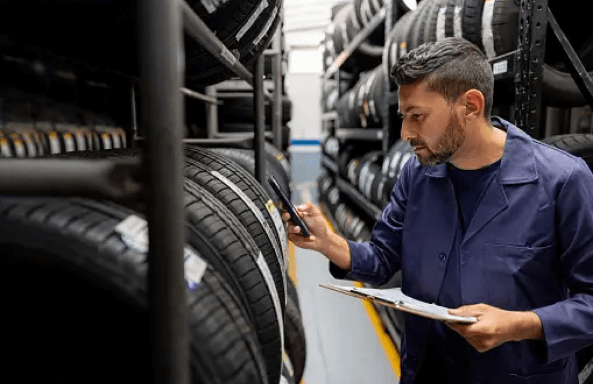
Scanflow is an innovative AI- Data capture solution that leverages smart devices to scan and capture information. It’s adept at handling various tasks, from tire scanning, serial number and barcodes to processing ID documents. Scanflow’s capabilities extend beyond mere data capture, as it can also automate workflows and streamline processes, ultimately enhancing efficiency. Imagine using Scanflow to track inventory, pick and pack and track and trace in a warehouse and logistics these are just a few examples of its versatility.

Scanflow boasts numerous advantages, including increased accuracy, reduced costs, and improved efficiency. Its user-friendly interface and seamless integration with existing systems make it an attractive option for businesses seeking to optimize their data capture processes. So, if you’re looking for a powerful and versatile tool to elevate your data capture game, Scanflow is definitely worth considering.

2) Data Capture Solutions

Data Capture Solutions (DCS) is a company that specializes in creating custom data capture systems. They offer a variety of hardware and software solutions, as well as services to support their customers throughout the data capture process. DCS partners with other companies to provide these solutions, ensuring that their clients have access to the latest and most effective technologies. Whether you need a simple system for capturing basic data or a complex system for handling large volumes of data, DCS can help you find the right solution for your needs.

Anyline’s platform is designed to be easy to use, even for people who are not familiar with data capture technology. The platform uses computer vision and machine learning to automatically extract data from images, so there is no need for manual data entry. Anyline also offers a variety of SDKs and APIs that make it easy to integrate their platform into existing applications. One of the benefits of using Anyline is that it can be used with existing smartphones and tablets. This means that businesses do not need to purchase any new hardware in order to start using Anyline’s platform. Anyline also offers a variety of subscription plans that make it affordable for businesses of all sizes.

Scandit specializes in mobile barcode scanning and smart data capture solutions. They empower businesses by transforming everyday smartphones and tablets into powerful data acquisition tools. Imagine capturing barcodes, text, ID documents, faces, and other visual data effortlessly, with lightning speed and high accuracy. This eliminates the need for bulky dedicated scanners and opens up a world of possibilities for streamlining workflows, boosting productivity, and enhancing customer experiences. From retail checkout and logistics to healthcare and field services, Scandit’s technology seamlessly integrates into existing apps and processes, delivering tangible value across diverse industries.

Dynamsoft is a company that specializes in data capture software. They offer a variety of products that can help businesses automate their data capture processes. Dynamsoft’s software is used by a wide range of organizations, from small businesses to large enterprises.

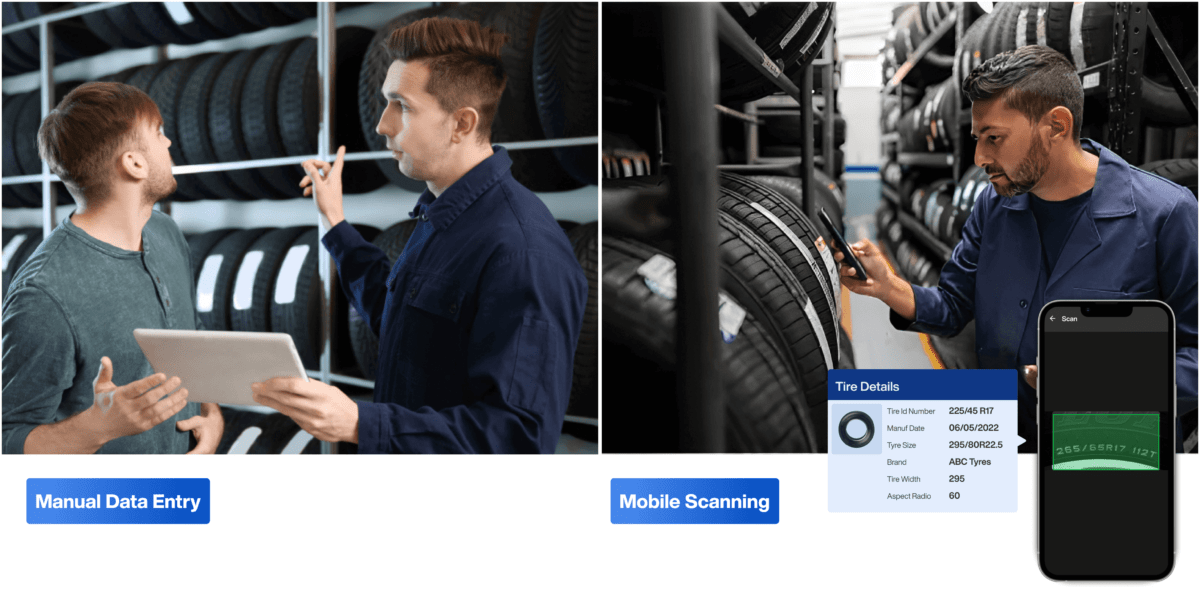
One of the benefits of using Dynamsoft’s data capture software is that it can save businesses time and money. By automating data capture, businesses can eliminate the need for manual data entry, which can be a slow and error-prone process. Dynamsoft’s software can also help businesses improve the accuracy of their data. By using optical character recognition (OCR) technology, Dynamsoft’s software can extract data from documents with a high degree of accuracy.


Categories
Barcode scanning

Top 5 AI powered- Barcode Scanning Software companies

AI Barcode Scanning Software is a revolutionary technology that uses artificial intelligence to improve the accuracy and efficiency of scanning barcodes. Unlike traditional scanners, which often struggle with damaged or poorly printed codes, AI-powered solutions can decipher virtually any barcode with impressive accuracy, even under challenging conditions like poor lighting or unusual angles.

AI Barcode Scanning Software isn’t just a fancy upgrade, it’s a game-changer. Beyond the obvious boost in speed and accuracy, it eliminates human error by deciphering even damaged or poorly printed codes. This translates to significantly less wasted time and money, improving your inventory management, supply chain, and overall data reliability. But it doesn’t stop there. This software unlocks hidden data within barcodes, offering richer insights for better decision-making. Whether you’re in retail, logistics, healthcare, or manufacturing, AI Barcode Scanning Software is the key to streamlining operations, enhancing efficiency, and driving business growth. It’s not just important, it’s practically indispensable in today’s data-driven world.

1) Smart Engines

Smart Engines is a company that develops AI-powered document scanning and optical character recognition (OCR) technology. Their software development kits (SDKs) can be used to scan and extract data from a variety of documents, including passports, driver’s licenses, credit cards, and barcodes. The SDKs are claimed to be accurate, fast, and secure, and can function on mobile devices, web platforms, and desktop computers. One of the key features of Smart Engines’ SDKs is their ability to scan barcodes. Barcodes are a type of machine-readable code that can be used to store and track information. Smart Engines’ SDKs can quickly and accurately scan barcodes, even if they are damaged or obscured.

Scanflow is a cutting-edge data capture solution driven by artificial intelligence that uses smart devices to scan and collect data. It can handle ID papers and scan text and barcodes, among other things, with ease. Beyond just data capturing, Scanflow can also automate workflows and streamline procedures, which will ultimately increase productivity. Scanflow’s versatility may be seen in its use in tracking goods in warehouses and verifying customer IDs at retail stores, to name just a couple of applications. Scanflow has many benefits, such as better efficiency, lower expenses, and more accuracy. Businesses looking to streamline their data collecting procedures will find it to be a compelling alternative because to its easy-to-use interface and smooth interaction with current systems. For that reason, Scanflow is a solution that is both powerful and diverse enough to improve your data capture game.

The platform of Anyline is made to be user-friendly, especially for those who are not acquainted with data capturing technologies. There is no need for human data entry because the platform automatically extracts data from photographs using computer vision and machine learning. Additionally, Anyline provides a range of SDKs and APIs that facilitate the simple integration of their platform with already-existing applications. The fact that Anyline works with current smartphones and tablets is one of its advantages. This implies that companies can use Anyline’s platform without having to buy any new hardware. Additionally, Anyline has a range of subscription plans that are reasonably priced for companies of all sizes.

Mobile barcode scanning and intelligent data capture systems are Scandit’s areas of expertise. By converting common smartphones and tablets into effective data gathering instruments, they enable enterprises. Imagine being able to capture barcodes, text, ID papers, faces, and other visual data quickly and accurately with ease and speed. This removes the need for large, specialised scanners and creates a plethora of opportunities for improving client experiences, increasing efficiency, and optimising operations. Scandit’s technology easily blends into current apps and processes, offering real value across a range of industries, from retail checkout and logistics to healthcare and field services.

One firm that specialises in data collection software is called Dynamsoft. They provide a range of solutions that organisations can use to automate their data collection procedures. From tiny businesses to major enterprises, a wide spectrum of organisations employs Dynamsoft’s products. Businesses can save time and money by utilising Dynamsoft’s data capture software, among other advantages. Businesses can avoid manual data entry, which can be a laborious and error-prone procedure, by automating data capture. The software from Dynamsoft can also assist companies in increasing the accuracy of their data. High-accuracy data extraction from documents is possible with Dynamsoft software thanks to optical character recognition (OCR) technology.

Categories
Tire Sidewall

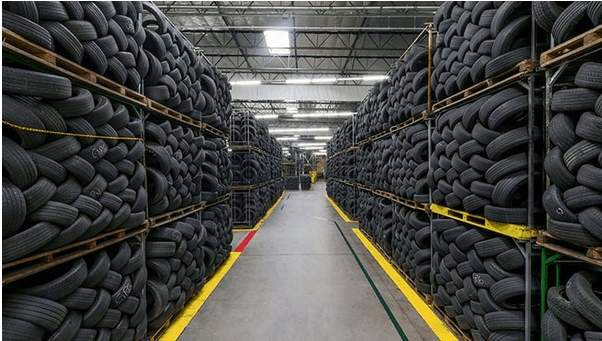
Streamlining Tire Warehouse Management with Pick & Pack Process

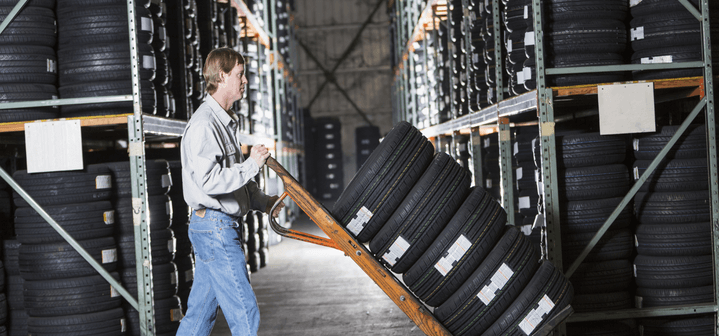
Managing a tire warehouse efficiently is critical for businesses in the automotive industry, as it ensures timely delivery of tires to customers and minimizes operational costs. Implementing an optimized Pick & Pack process can significantly enhance warehouse management, streamline operations, and improve overall customer satisfaction. In this use case, we’ll explore how a tire warehouse can benefit from the Pick & Pack process.

  • A tire warehouse typically faces several challenges, including:
  • Inventory Management: Managing a wide range of tire types, sizes, and brands efficiently.
  • Order Accuracy: Ensuring that the correct tires are picked and packed for customer orders to avoid costly mistakes.
  • Operational Efficiency: Reducing labor costs and increasing overall warehouse productivity.
  • Customer Satisfaction: Meeting customer expectations by delivering tires quickly and accurately.

 
When the orders are received from the vendor they are processed and verified, ensuring accuracy and completeness. The tires are organized by size, brand, and type to facilitate easy retrieval. Scanflow integrated with warehouse management system keeps track of tire stock levels in real time. The warehouse workers use smart devices to scan tires to locate and pick the required tires. The system ensures that the correct tire sizes and quantities are selected.

After picking, there is a verification step where the staff cross-checks the picked items against the order details to ensure accuracy. Tires are carefully packed into appropriate packaging, which may include tire bags or boxes. Labels with shipping information, including the recipient’s address and tracking number, are generated and affixed to the packages.

A quality control check may be performed to inspect the packed tires for any visible defects before shipping. Once the tires are packed and quality checked, they are ready for shipping. The warehouse management system generates shipping labels and communicates with logistics providers to schedule pickups, deliveries or return orders.

Scanflow automates the return process when the tires arrive at the warehouse, workers inspect the item for damage, review the reason for return, and scans it back into the WMS. When the tires are not damaged or expired, they are returned back to the shelf to be picked for another order.

    • Accuracy: Reduced errors in tire selection and packing, leading to higher customer satisfaction and fewer returns.
    • Efficiency: Streamlined operations result in faster order processing and reduced labor costs.
    • Inventory Optimization: Real-time tracking of tire inventory ensures that stock levels are always up to date.
    • Customer Satisfaction: Timely and accurate deliveries enhance the customer experience and build trust.
    • Cost Reduction: Minimized errors and improved efficiency resulted in cost savings for the warehouse.

Implementing an efficient Pick & Pack process is essential for tire warehouse management. It not only improves accuracy and efficiency but also contributes to enhanced customer satisfaction and reduced operational costs, ultimately leading to a competitive advantage in the tire manufacturing industry. Industries investing in modern digital solutions will help the tire warehouse thrive in today’s market.

Categories
vin scanning

How Scanflow VIN number scanning enhances Quality Check in manufacturing?

In the intricate and highly regulated world of automotive manufacturing, precision and attention to detail are paramount. Every component that goes into building a vehicle plays a crucial role in its performance, safety, and compliance with industry standards. Vehicle Identification Numbers (VINs) contain vital information about their make, model, year, and manufacturing location. Accurate mapping of VINs with the corresponding database entries during the cockpit assembly and quality check stage is an essential process that directly impacts manufacturing accuracy, efficiency, and the overall integrity of the final product.

 
The problem revolves around the absence of a streamlined system for mapping VIN plate information with the database during cockpit assembly and quality checks. Cockpit assembly involves integrating various components that make up the vehicle’s interior, including the dashboard, seats, controls, and instrumentation. This stage is critical as it forms the heart of the vehicle’s functionality, aesthetics, and user experience. However, without a robust system for mapping VIN plate information to the database, several challenges emerge:

  • Discrepancies in Vehicle Specifications: The lack of an efficient mapping system can result in inconsistencies between the assembled cockpits and the specified vehicle data in the database. This discrepancy can range from minor variations in equipment to more significant errors in vehicle configurations.
  • Manufacturing Accuracy: Ensuring that each vehicle is built precisely according to its intended specifications is paramount for automotive manufacturers. Any deviation from these specifications can lead to delays, rework, and additional costs in the manufacturing process.
  • Quality Assurance: Quality checks are fundamental to the production of safe and reliable vehicles. Mismatches between the cockpit assembly and the database can hinder the ability to conduct effective quality assurance, potentially allowing defects to go undetected.
  • Timely Delivery: Inaccurate specifications can lead to delays in the manufacturing process as vehicles may need to be disassembled and reworked to meet the correct specifications. This, in turn, affects the timely delivery of vehicles to customers.
  • Regulatory Compliance: Automotive manufacturers must adhere to stringent regulatory standards. Any deviation from these standards can result in compliance issues, fines, or recalls, further underscoring the importance of accurate VIN mapping.

VIN Number Scanning - ScanFlow - AI Scanner

 
To address these challenges, an integrated system that combines Scanflow integrated with backend systems and real-time data synchronization can be implemented during cockpit assembly and quality checks.

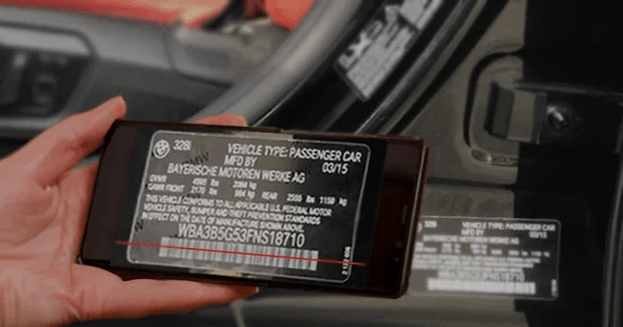
  • VIN Plate Scanning: During cockpit assembly, each vehicle’s VIN plate is scanned with Scanflow. This is capable of accurately extracting the alphanumeric VIN from the plate, ensuring precision in data capture.
  • Database Integration: The scanned VIN is instantaneously integrated with the central database, where all vehicle specifications and configurations are stored. This integration ensures that the assembly team is working with the most up-to-date and accurate data.
  • Quality Check: As the cockpit assembly nears completion, a comprehensive quality check is conducted. This includes cross-referencing the assembled cockpit components with the database’s specifications. Any discrepancies are immediately flagged for resolution.
  • Real-time Alerts: In case of a mismatch between the assembled cockpit and the database, real-time alerts are sent to the personnel responsible. This ensures rapid intervention and correction before the vehicle proceeds further in the manufacturing process.

 
Implementing this VIN plate mapping system offers a multitude of benefits:

  • Enhanced Accuracy: Accurate mapping of VINs with the database ensures that each vehicle is built to its precise specifications, eliminating errors and deviations.
  • Efficiency: Streamlining the process reduces delays and rework, enabling faster and more efficient production.
  • Quality Assurance: Effective quality checks are facilitated by accurate VIN mapping, improving the overall quality and safety of vehicles.
  • Timely Delivery: Vehicles can be delivered to customers on schedule, enhancing customer satisfaction and trust.
  • Regulatory Compliance: The system ensures that vehicles adhere to regulatory standards, reducing the risk of compliance issues or recalls.

The VIN plate mapping system during cockpit assembly and quality checks represents a pivotal advancement in automotive manufacturing. It embodies the commitment to precision, quality, and compliance that are foundational to the industry. By seamlessly integrating Scanflow with the manufacturing process, manufacturers can enhance their operational excellence, meet customer expectations, and uphold the highest standards of safety and quality in the vehicles they produce.

Categories
vin scanning

How Scanflow helps manufacturing Industries with VIN number Scanning

Scanflow specializes in intelligent text scanning and recognition of various types of data, including vehicle Identification numbers from smart devices.

While Scanflow can be utilized in various industries and applications, it can also be particularly useful in manufacturing industries for VIN (Vehicle Identification Number) scanning. Here’s how Scanflow can assist with

Categories
vin scanning

Enhancing Manufacturing Efficiency: The Role of VIN Scanning Technology

Scanflow specializes in intelligent text scanning and recognition of various types of data, including vehicle Identification numbers from smart devices.

While Scanflow can be utilized in various industries and applications, it can also be particularly useful in manufacturing industries for VIN (Vehicle Identification Number) scanning. Here’s how Scanflow can assist with

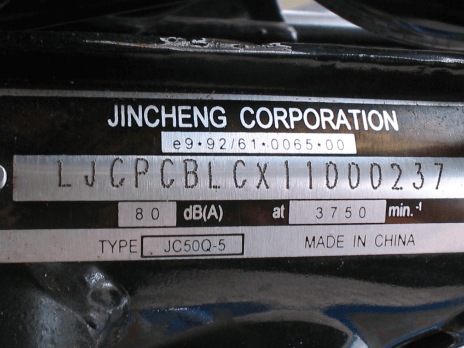
  • Smart Scanning: Scanflow allows VIN numbers to be scanned directly from a vehicle’s VIN plate or label using a smart device. This scanning capability reduces the need for dedicated barcode scanners or manual data entry.
  • Accuracy: Scanflow is designed to achieve high accuracy in reading VINs, even in challenging lighting conditions or with imperfect VIN plates. It can recognize characters accurately by operating offline. This feature ensures that your workforce can reliably work with VINs wherever they are, even in remote or offline environments.
  • Real-Time Data Capture: Scanflow provides real-time data capture capabilities, allowing manufacturing workers to quickly and accurately scan VINs without delays. This helps streamline manufacturing processes.
  • Seamless Integration: Scanflow can be integrated into existing workflow applications or manufacturing systems. This integration ensures that scanned VIN data seamlessly flows into the manufacturing system for further processing and tracking.
  • Quality Control: By scanning VINs during the manufacturing process, Scanflow helps verify that the correct VIN is associated with each vehicle. This is crucial for quality control and error prevention.
  • Traceability: Scanned VIN data can be used to create a comprehensive record of each vehicle’s manufacturing history. This traceability is valuable for auditing, warranty tracking, and recall management.
  • User-Friendly Interface: Scanflow’s user-friendly interface makes it accessible to manufacturing personnel with minimal training. This ease of use promotes efficient adoption within manufacturing operations.
  • Security: Scanflow ensures data security by processing and storing all scanned vehicle information offline. This means that sensitive VIN data remains protected and is not transmitted to third-party cloud servers, enhancing privacy and security.
  • Flexibility: Scanflow VIN scanning technology is adaptable and versatile. It allows for scanning from a distance, even when dealing with dirty or partially obscured VINs. This flexibility ensures accurate data capture in real-world conditions, regardless of environmental challenges.

By integrating Scanflow for VIN number scanning, manufacturing industries can enhance efficiency, accuracy, and data integrity throughout the production process, ultimately leading to improved product quality and compliance with industry standards.

Categories
Retail

Enhancing Retail Operations: Scanflow Data Capture for Inventory Management and Point of Sale

In the dynamic world of retail, where customer demands are ever-evolving, staying ahead requires a strategic approach to operations. A key component of success lies in the efficient management of inventory and seamless point-of-sale (POS) transactions. Enter Scanflow’s data capture solutions – a game-changer that enhances retail operations and drives success.

Inventory management forms the backbone of any successful retail business. Ensuring that products are available when customers need them while avoiding overstock situations, requires a delicate balance. Scanflow’s data capture solutions revolutionize this process by enabling swift and accurate scanning of barcodes, QR codes, and other product identifiers.

With Scanflow, inventory managers can breeze through stocktaking, easily identify low-stock items, and efficiently manage restocking. This automation not only reduces human errors but also frees up valuable time for staff to focus on customer interactions and other value-added activities.

Gone are the days of manual record-keeping and delayed updates. Scanflow’s data capture solutions provide real-time insights into inventory levels, sales trends, and product movement. This information empowers retailers to make informed decisions on restocking, pricing, and marketing strategies.

For instance, during peak shopping seasons, retailers can quickly identify which products are flying off the shelves and adjust their inventory accordingly. With this agility, businesses can capitalize on trends, minimize stockouts, and optimize profits.

Efficiency at the point of sale is crucial for customer satisfaction. Long checkout lines or delayed transactions can lead to frustrated customers and lost sales. Scanflow’s data capture solutions redefine the POS experience by enabling quick and accurate scanning of products, discount codes, and loyalty cards.

Cashiers can seamlessly scan items without the hassle of manual data entry, reducing checkout times and enhancing customer interactions. This frictionless experience leaves customers with a positive impression, increasing the likelihood of repeat business.

Scanflow - Data Capture for Inventory Management

Inventory accuracy is a constant challenge in retail. Miscounts, misplaced items, and shrinkage can all impact the bottom line. Scanflow’s data capture solutions mitigate these challenges by providing accurate and reliable inventory data. With real-time updates, retailers can identify discrepancies and potential losses early on, allowing for prompt action to address issues.

Moreover, the technology aids in loss prevention by enabling efficient tracking and verification of high-value items. Any unauthorized movement can be swiftly identified and addressed, reducing the risk of theft or mishandling.

One of the standout features of Scanflow’s data capture solutions is their ability to integrate seamlessly with existing systems. Whether it’s integrating with your current POS software or syncing with your inventory management tools, Scanflow ensures a smooth transition. This eliminates the need for costly and disruptive overhauls, allowing retailers to harness the benefits of data capture without disruption.

In a world where e-commerce is gaining ground, brick-and-mortar retailers need to adapt and innovate. Scanflow’s data capture solutions offer a competitive edge by automating processes and providing valuable insights. Retailers armed with real-time data can make decisions that anticipate market trends and customer preferences, allowing them to stay relevant and competitive.

Scanflow’s data capture solutions are a transformative force in the retail sector. From efficient inventory management to seamless point-of-sale experiences, these solutions enhance every facet of retail operations. Retailers that embrace this technology not only boost their efficiency but also create an environment where customer satisfaction thrives. As retail continues to evolve, Scanflow remains a strategic partner that empowers businesses to stay ahead and thrive in a dynamic marketplace.

Categories
Barcode scanning

Comparision between AI Scanner & Hardware scanners

Aspect AI Scanner Hardware Barcode Scanner
Technology Type Computer vision and AI-Powered scanning Standalone hardware device for barcode scanning.
Device Requirements Requires a smart device like smartphones, drones, wearables, or tablets with a camera. Dedicated handheld device with a built-in scanner.
Cost Typically involves software subscription fees; potential hardware costs. Upfront hardware purchase cost.
Accuracy and Speed Accurate scanning using device camera; processing speed depends on device capabilities up to 98% accuracy Generally fast and accurate scanning performance.
Integration and Compatibility Offers SDKs for easy integration into mobile apps; backend systems compatible with various development platforms. Designed for specific integrations; compatibility varies.
Maintenance and Updates Regular software updates for improvements; hardware independent. Hardware maintenance may be required; updates depend on the manufacturer.
Adaptability to Changes Software updates allow for adapting to new barcode/text types and features. Hardware limitations may affect adaptability.
Flexibility The software-based solution allows for customization and feature updates. Limited flexibility due to hardware constraints.
User Training Generally user-friendly with intuitive mobile interfaces. May require training for proper use.
Scanning Range Various CV features offer different scanning ranges. Limited by device camera capabilities; optimal for close and medium-range scanning.
Mobility and Portability It is highly portable due to smart device integration. Portable, but less convenient than mobile devices.
Use Cases Well-suited for mobile applications, retail, inventory, and logistics. Suitable for retail, warehousing, manufacturing, and logistics.
Cost-Efficiency Software subscriptions may offer cost savings over time. Hardware costs can be higher upfront.

 
Industries rely more on AI scanners due to their flexibility, adaptability, and integration with smart devices, making them suitable for dynamic environments. Scanflow is an AI scanner that helps in effortless data capture and workflow automation. Scanflow offers a powerful solution for businesses looking to optimize their business process, improve data accuracy, and achieve operational efficiencies in a wide range of industries.

Categories
Tire Sidewall

Tire Warehouse Management: How Scanflow helps in Inventory Optimization and Workflow Automation

In the dynamic realm of warehouse management, accuracy, precision and operational efficiency stand as the cornerstones of success. To remain at the forefront of the field, a complete transformation of their tire stock management workflow was essential. Thus began their ambitious endeavor to modernize operations, harnessing cutting-edge technologies and innovative methodologies.


A large tire manufacturing warehouse faced a multitude of challenges that hampered their tire stock management. Some of their everyday workflow challenges were,

Data Accuracy: Maintaining precise tire identification and record-keeping can be challenging, especially when dealing with a large inventory. Tire identification must be accurate to prevent errors in inventory tracking. Errors in data entry or loss of information can lead to inventory discrepancies and operational inefficiencies.

Aging Goods Identification: Identifying aging goods is essential to prevent wastage. Tires have a limited shelf life, and if older tires are not identified and used or disposed of properly, it can result in financial losses. Effectively tagging older goods based on the threshold frequency criterion to prevent wastage.

Document Management: Tire inventories often require accompanying documents, such as purchase orders, invoices, and quality reports. Managing and linking these documents to specific tires is essential for traceability and compliance. This can be a cumbersome task if not automated.


Inaccurate tracking during these crucial stages can lead to understock or overstock situations, which can affect production schedules and customer orders. Ensuring accurate inventory updates during loading and unloading is crucial

Data Synchronization: This challenge involves integrating multiple data sources and systems. Achieving seamless synchronization is essential to match the physical location and status of tires with the data in the inventory management system. Integrating multiple systems with inventory management can be complex and costly.

System Integration Complexity: Integrating backend systems like SAP to streamline data updates and reduce manual efforts. It often requires custom development to ensure data flows smoothly between systems.

Data Security: Safeguarding sensitive information captured during scanning and documentation. Tire data often includes proprietary designs, manufacturing processes, and customer information. Ensuring that this data is secure from unauthorized access or breaches is a significant challenge, especially in an interconnected environment.

To address these challenges comprehensively, the warehouse devised a strategic plan with Scanflow,

They developed an integrated solution with Scanflow that revolutionized tire stock management which encompassed every facet of their operations.

Scanflow automates the workflow process by enhancing the key processes like serial scanning, tagging, document comparison, and data synchronization were automated. This not only reduced errors but also saved valuable time. Vision Intelligence was deployed to identify color or year information, enhancing the accuracy of tire identification. System integration with SAP streamlined backend updates. With Scanflow real-time data accuracy became the norm across all stages of tire management, from inventory creation to loading and unloading. Manual steps were minimized, and overall efficiency improved significantly.

The Result


Improved Inventory Management: The Warehouse achieved impeccable control over their tire stock, eliminating discrepancies and inefficiencies. Regular inventory audits and cycle counts were conducted to eliminate discrepancies between recorded and actual stock levels. Inefficiencies, such as overstocking or understocking, were identified and rectified, ensuring that the right tires were available when needed.

Cost Savings: By preventing wastage and optimizing operations, significant cost savings were realized. Efficient operations and accurate inventory data also led to reduced labor costs and minimized the need for emergency orders. Lowering operational costs and reducing waste contributed to significant overall cost savings.

Customer Satisfaction: Accurate and on-time deliveries improved customer satisfaction, cementing the warehouse’s reputation as a reliable supplier. Meeting delivery promises builds trust with customers, and high customer satisfaction often leads to repeat business and positive referrals. This heightened level of service cements the warehouse’s reputation as a reliable supplier in the tire industry.

Competitive Edge: The state-of-the-art tire warehouse management system gave the Warehouse a distinct competitive advantage. These advanced capabilities would give the warehouse a distinct advantage over competitors who might still be relying on manual or outdated systems.

Scalability: This could involve features like flexible storage solutions, the ability to add new locations or expand existing ones and handling increased order volumes without major disruptions. Scalability ensures the warehouse can adapt to market fluctuations and increased demand without sacrificing efficiency or accuracy.

The tire manufacturing warehouse management integrated with Scanflow showcases the remarkable potential of embracing modern technologies and innovative practices in traditional industries. By addressing pain points and challenges head-on and aligning their objectives with specific focus areas, the warehouse not only optimized their processes but also improved accuracy, efficiency, and overall operations. This transformation not only propelled them to the forefront of their industry but also inspired others to follow suit, marking a significant milestone in the world of warehouse management.

Read more on tire sidewall scanning: Tire Sidewall Scanning | Tire Scanner SDK | Scan TIN, DOT Codes and Tire Sizes – ScanFlow

Categories
Barcode scanning

How ID Scanning Streamlines KYC Processes?

Identity verification has increasingly become a standard practice in many firms. Businesses need a mechanism to verify that their existing or potential customer with the KYC process i.e Know Your Customer. This is common in many various sectors, including banking, telecommunications, travel, retail, and more. The Manual KYC verification process has increased instances of identity theft and fraudulent hacks, inaccurate data, and lengthy onboarding process.

This increased reliance on mobile technology has paved the way to adopting smart KYC processes in firms that capture customers’ IDs and retrieve their personal information right from their smart devices. This process is quick, more secure, and lowers error rates.

Scanflow smart ID scanning software makes the KYC process simpler and paperless while capturing data from customer IDs with high security along with the ability to capture data without the need for an Internet connection.

Automated data extraction helps banking and financial services can collect the necessary personal data while interacting with consumers in a faster, more convenient manner. Mobile and digital processes have seamlessly become a part of everyday life and ubiquitous devices like smartphones help workers and customers to carry out operations more efficiently from their familiar devices.

Scanflow high-performing ID scanning SDK can be integrated into any smart device and capture information from identity documents. Scanflow ensures a safe and secure scanning solution.


Scanflow ID scanning SDK works on native mobile apps, web browsers, or any enterprise framework that helps to digitalize and automate procedures. It reduces the threats of identity fraud and data breaches and provides a secure customer onboarding process.


1. Streamlines data collection process

With smart ID scanning the data collection process is streamlined by lowering the difficulty users have updating or submitting their personal information. It provides cleaner, more precise data that satisfies the regulators. ID scanning improves the data quality and lowers error rates, making monitoring systems more reliable.

2. Driven by AI technology

Built with AI-powered technology, Scanflow ID scanning software is much more accurate at identifying and categorizing data in real time. It works in any challenging environment and is never stressed out, unlike manual processes. It serves as an ideal solution for banking and financial services that would extract crucial data points from identity documents while maintaining high accuracy levels.

3. Enhanced customer experience

Smart ID scanning engages customers with quick and more convenient interactions while collecting necessary personal information. This quick process makes customers to be relieved to have avoided standing in a long line at the branch which saves them time.

Smart ID scanning is all made possible by a single user-friendly mobile solution, providing clients and end users with a higher level of protection. The most significant benefit of all is that it establishes trust and solidifies the crucial relationship between businesses and individuals.