Categories

Boosting Product Quality: How can visual inspection improve quality control in manufacturing?

Whether companies are making cars, semiconductor chips, smartphones, or food, having high-quality standards is essential for their business success. This is where quality control plays a major role in many industries. Ineffective quality control can lead to major operational and financial consequences, including rework, excess waste, lower output, elevated work-in-process inventory, post-sale recalls, warranty claims, and repairs.

The same applies to the manufacturing industry. By implementing effective quality control measures, manufacturers can ensure that their products are safe, reliable, and of the highest quality.

Visual inspection plays a key role in quality control, enabling manufacturers to ensure products meet industry standards and customer expectations. Here are the important aspects of quality control checks through visual inspection:

  • Incoming Material Inspection: Visually inspect raw materials and components as they arrive to identify any initial defects such as discoloration, damage, or imperfections.
  • In-Process Inspection: Conduct inspections during various production stages to catch defects early, such as examining alignment, surface finish, and correct part placement.
  • Final Product Inspection: At the end of the production line, inspect finished products for cosmetic appearance, functional aspects, and labeling accuracy.
  • Spot Checks and Sampling: Perform spot checks or sampling throughout production to monitor quality trends and address emerging issues.

Visual inspection is a cornerstone of quality control in the manufacturing industry, enhancing product quality and ensuring customer satisfaction. By incorporating thorough visual inspection at every stage of production, from incoming material inspection to final product inspection, manufacturers can boost manufacturing efficiency and detect defects early. This proactive approach to quality control helps maintain high standards, protect brand reputation, and minimize costly mistakes such as product recalls and warranty claims.

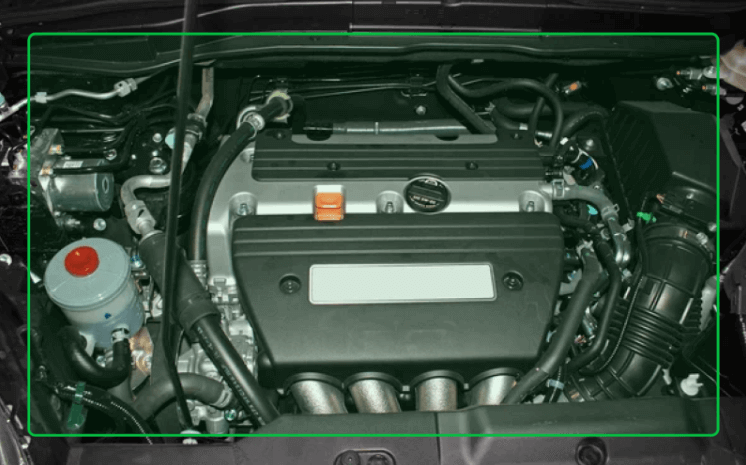
In the automotive manufacturing industry, visual inspection plays a crucial role in ensuring the quality of finished vehicles. For example, during the final assembly phase of a car, visual inspection is conducted on the vehicle’s interior and exterior. Inspectors closely examine the paint job to check for any streaks, drips, or uneven coloring. They also inspect the fit and finish of components such as doors, windows, and trims to ensure perfect alignment and smooth operation. Inside the vehicle, inspectors assess the condition of seats and upholstery for signs of damage or defects, as well as the proper installation and functionality of electronic systems like infotainment displays and controls.

AI Visual Inspection Solutions

This thorough visual inspection process ensures that every car leaving the assembly line meets the brand’s quality standards and customer expectations, minimizing the risk of returns or complaints. Through continuous improvement and adaptation of advanced inspection technologies, manufacturers can stay competitive and excel in their respective industries.

The future of quality control in manufacturing lies in the integration of Artificial Intelligence (AI) and Machine Learning (ML) technologies into visual inspection processes. AI and ML algorithms analyze vast visual data rapidly and accurately, detecting even subtle defects missed by human inspectors. Continuously learning from new data, these systems adapt and improve over time, enhancing product quality and reducing error rates. Predictive analytics powered by AI can forecast defects before they occur, enabling proactive measures to prevent production issues. Through this synergy, manufacturers can achieve greater precision, efficiency, and customer satisfaction.

Categories

Accelerating Defect Detection with AI Visual Inspection in Automotive Industry

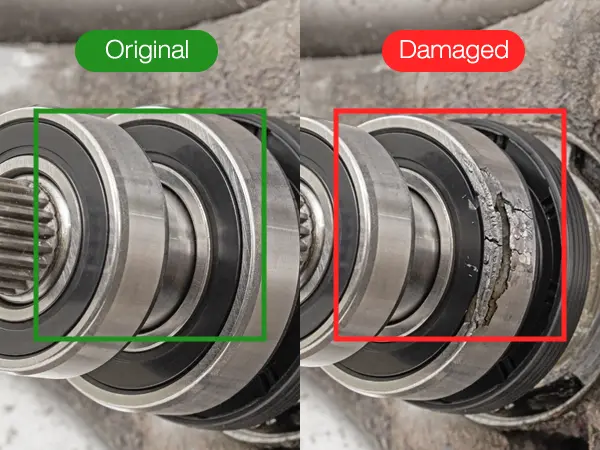
Defect detection is a critical aspect of automotive manufacturing, ensuring that vehicles meet high standards before they reach the hands of consumers. It involves identifying and improving the defects or abnormalities in various components and systems throughout the production process. Traditionally, defect detection is done through manual inspections, which are time-consuming and prone to human error. However, with the emergence of AI, now the automotive industry is experiencing a change in handling defect identification and resolving.

The automotive industry operates in a highly competitive environment where quality, efficiency, and safety are foremost aspects to look through. The need for AI visual inspection in defect detection within the automotive industry is driven by the challenges faced by the traditional inspection methods. These include susceptibility to human error, inefficiency in meeting rapid production demands, difficulty in detecting subtle defects within complex automotive components, inconsistencies in inspection quality, high resource and labor costs, and the imperative of ensuring safety and compliance.

Visual inspection AI addresses the needs of the automotive industry by providing a more efficient, rate, and consistent method of defect detection. Through advanced machine learning algorithms, visual inspection AI analyzes vast amounts of visual data in real-time, identifying defects with unprecedented speed and precision. It finds applications across various stages of automotive production, spanning from body assembly to final quality assurance. Some key areas where this technology is particularly beneficial include:

  • Body Panel Manufacturing: Detecting defects such as dents, scratches, and paint imperfections on body panels ensures that vehicles have a flawless exterior finish.
  • Welding and Assembly: Identifying welding defects, misalignments, or missing components during assembly is crucial for ensuring structural integrity and safety.
  • Electrical Component Testing: Detecting faults in circuit boards, wiring harnesses, and electronic components helps prevent malfunctions and ensures the reliability of vehicle electrical systems.
  • Interior Trim Inspection: Ensuring the quality of interior components such as upholstery, dashboard panels, and trim pieces enhances the overall comfort and aesthetics of vehicles.

The benefits of utilizing AI visual inspection in the automotive industry are vast and have important implications. To illustrate this let’s consider an example of a major car manufacturer that has implemented AI-powered cameras in their paint shop to inspect newly painted body panels. This has resulted in a significant decrease in inspection time and an increase in defect detection rates. By reducing the need for manual labor and streamlining the inspection process, the company has realized cost savings associated with labor expenses and increased production efficiency.

AI Visual Inspection Solutions

Overall, AI Visual Inspection is a game-changer for the automotive industry, offering unprecedented levels of efficiency, accuracy, and reliability in defect detection. By embracing this transformative technology, automakers can enhance their competitiveness, optimize production processes, and deliver vehicles that exceed customer expectations in terms of quality and performance.

Categories

Detection of Personal Protective Equipment (PPE) Compliance Using Computer Vision Based Deep Learning Techniques

In the ever-evolving landscape of workplace safety, ensuring compliance with Personal Protective Equipment (PPE) regulations stands as a cornerstone in safeguarding your workforce. We understand the challenges posed by manual monitoring methods and the critical need for a more efficient and reliable solution. That’s why we’re thrilled to introduce our groundbreaking system, poised to revolutionise how you approach PPE compliance monitoring.

At the heart of our innovation lies the fusion of cutting-edge artificial intelligence (AI) technology with the imperative of workplace safety. We’ve developed a sophisticated system that automates the identification of PPE usage among your employees, transcending the limitations of traditional monitoring techniques.

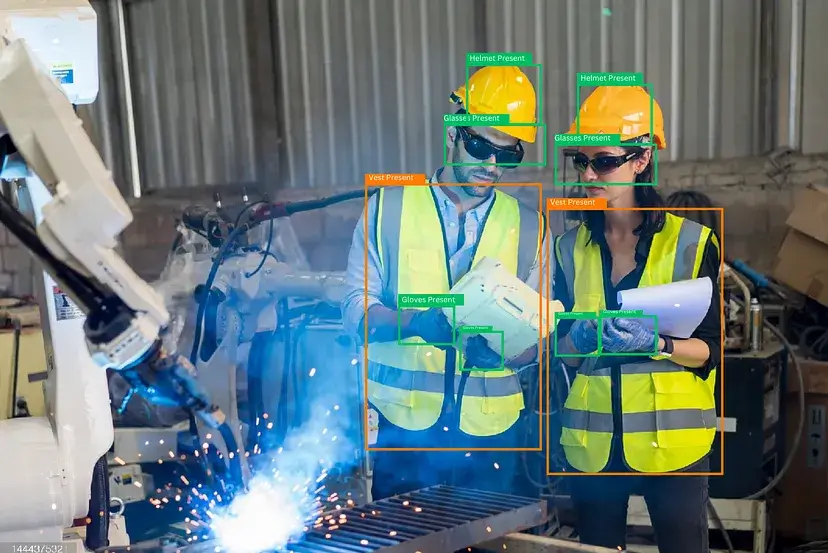
Our system leverages advanced object detection models, including renowned technologies such as the YOLO (You Only Look Once) series and EfficientDet. These models have been meticulously trained on vast datasets, enabling them to accurately recognize and classify PPE items in real-time. From helmets to safety glasses and high-visibility vests, our system ensures unparalleled accuracy in assessing compliance.

The Convolutional Neural Networks model was created by utilizing transfer learning on a YOLO deep learning network base version. The model predicts compliance in four categories: NOT SAFE, SAFE, NoHardHat, NoGloves, NoChinstrap, NoSafetyShoes and NoJacket. It does this by accounting for the presence of safety jackets and hardhats. To train the model, a web-based collection of 7000 photos was gathered from video recordings in realtime CCTV of many building sites. On the test data set, the model yielded an F1 score of 0.97 with an average accuracy and recall rate of 97%. In order to facilitate real-time integration and adoption on building sites, the model incorporates an alarm and a time-stamped report upon detection of a non-”SAFE” category.

The hardware for the system was utilized to test the real-time processing of the algorithm on the field data. We understand that deploying such technology in real-world scenarios can be daunting, particularly in environments where connectivity is limited or latency issues are prevalent. That’s where our innovative approach comes into play: edge computing. By harnessing the power of Edge GPU hardware, such as the NVIDIA Jetson Nano and Jetson Orin, we’ve brought processing capabilities directly to your plant floor.

The YOLO model is used for transfer learning in the keras framework. The final output layer is modified to output different classes namely — NOTSAFE, SAFE, NoJacket, NoHelmet and other requirements- by changing the filter sizes. The trained weights of the YOLO are used as an initial set of weights for the CNN network and the convolutional and fully connected layers are all opened up for training with the data from different sites. In addition to the above, a code to generate alarms and reports in cases of non-compliance was developed, to increase the utility of the algorithm on different sites.

This means real-time performance without the need for extensive bandwidth or reliance on remote servers. With our system, you can rest assured that PPE compliance monitoring is not only efficient but also respects the privacy of your data.

The important part of training the machine learning algorithm was the collection and preparation of data to aid the validation of the model. The preparation of the dataset is the most time-consuming and critical component as it enabled efficient training and accurate detection by the algorithm. Data is collected by both manual collection and image scraping online. Firstly, for manual collection, data was collected from multiple locations and sites where the videos of ongoing works are recorded. The frames from the videos are later extracted as images. The image capturing was done at an interval of 3 s. The purpose of this data is to have a close approximation of the CCTV video data used by the algorithm to predict non-compliance in real-time.

Secondly, images are scraped from the internet using web-crawlers developed in python using the google_images-download library to gather images. The images were then manually checked for relevance to the study. This filtering involved discarding images with watermarks, synthetically generated images. Data augmentation was performed for 60% of images that were collected through standard augmentations such as flipping, rotating 30 degrees right, and 30 degrees left. The final data set had images and data points for the study. Once the dataset was collected, the data was labeled, a graphical image annotation tool. Annotations were saved as XML files.

We adopted a train-validation-test set with a random split of 90:8:2 for training. We ensured that there was adequate representation of all four classifications in each of the datasets. The generated datasets had annotations in the XML file for each image. The XML files were finally collated into a text file to a code readable format for training and validation purposes.

Upon completion of the three training phases, the network’s ultimate loss was 12.06. The dataset was tested and validated using a confusion matrix, and the accuracy of the model was determined by dividing the total number of predictions by the number of correct predictions. Furthermore, utilizing video footage of individuals wearing PPE, a whole new dataset with a range of settings and backdrops was developed. The algorithm’s performance was then evaluated by testing the trained model on both image and video data.

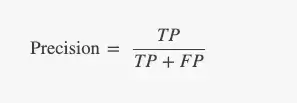
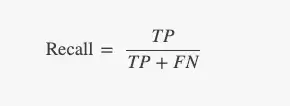
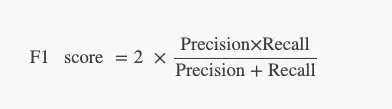
Where:

Precision is the number of true positive predictions divided by the total number of positive predictions made (true positive + false positive).

Recall is the number of true positive predictions divided by the total number of actual positive instances in the data (true positive + false negative).

The model has a 96.8% accuracy rate, an F1 score of 0.97, and average precision and recall of 0.97. Based on the test data set, these findings show that the model was predicting with 96.8% accuracy. This indicates that the model was operating consistently and predicting pictures with an overall accuracy of 96.8% in the validation data set, which was likewise attained for the test set. It is shown how the sample output predictions work.

AI Visual Inspection Solutions

A PPE compliance dashboard with charts is a visual tool used to track and monitor adherence to personal protective equipment (PPE) guidelines within a workplace or organization. Here’s a simple description of its key features:

  • Interactive Charts: It includes various charts and graphs that visually represent compliance data, such as:
  • Bar charts showing compliance rates by department, team, or individual.
  • Line graphs illustrating trends in compliance over time.
  • Pie charts displaying the distribution of compliance across different types of PPE.

Real-Time Updates: The dashboard offers real-time updates, ensuring that users have access to the most current compliance information.

Drill-Down Capability: Users can drill down into specific data points within the charts to gain deeper insights into compliance patterns and outliers.

And Many more interactive features that can drill down to see the real time frames captured from CCTV cameras.

Our Dashboard has NLI chat feature, integrated with our platform elsAI for an easy communication with the data capture. The user would be able to drive the data by chatting something in one liner.

Example : What is the last 24 hours data? What is most violated PPE? etc..

In conclusion, our system represents a paradigm shift in how you approach PPE compliance monitoring. With unparalleled accuracy, real-time performance, and enhanced data privacy, we’re confident that our solution will redefine workplace safety standards in your plant.

If you’re ready to take the next step towards a safer, more efficient workplace, we invite you to reach out to us for a personalized demonstration of our system.

Categories

AI Visual Inspection for Defect Identification on conveyor belt

Many recurring activities are being solved by AI-visual inspection and image processing. Particularly useful is this new technology for the manufacturing sector. There are several laborious operations in the manufacturing unit for processing, sorting, and grading materials. Your comprehension of the advantages of automation will be deeper. However, because of sensory limitations, the automatic systems haven’t been implemented correctly. As computer technology progresses through the application of machine learning and artificial intelligence, this situation is beginning to change. Let’s now examine the benefits of AI image processing for creating and growing enterprises.

AI Visual Inspection for Defect Detection

Conveyor belt quality monitoring using computer vision technology is becoming more and more common in manufacturing and production facilities. This is how it operates:

Image Capture: A camera takes pictures of goods as they move along a conveyor belt. Mounting the camera on a moving platform or fixing it there will allow you to take pictures from various perspectives.

Image Processing: Computer vision algorithms are used to process the camera’s collected images. These algorithms are able to recognize irregularities and flaws in the items, such chips, cracks, or missing parts.

Classification: The products are divided into many groups according to their flaws and quality. Products that are deemed to be of sufficient quality are removed from the line, while those that do not are permitted to stay on the conveyor belt.

Sorting: Various categories can be used to classify defective products according to their nature. This enables manufacturers to find the source of the issue and implement fixes.

Reporting: To enhance production methods and lower errors going forward, data on product quality and flaws can be gathered and examined.

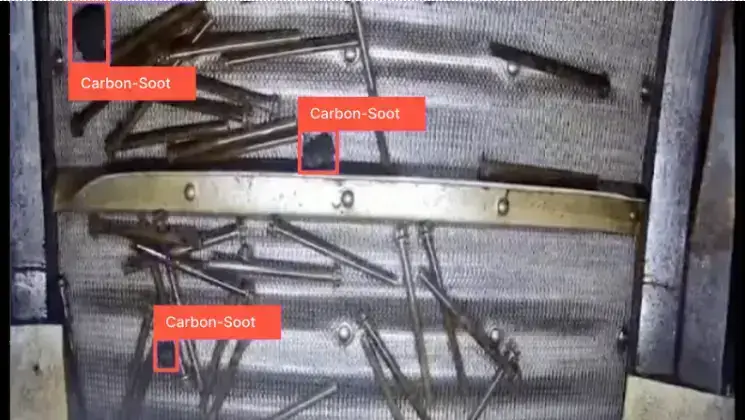
Conveyor belt computer vision identifies irregularities in quality, including color, cracks, and the direction of the moving object.

This application allows for timely quality checking of bolts on a conveyor belt by measuring the object’s length and breadth in millimeters.

AI Visual Inspection Solutions

Applications for computer vision in quality control on conveyor belts in manufacturing and industrial facilities are numerous. Here are a few particular instances:

Inspection of Product Quality: Product photos taken on a conveyor belt can be analyzed by computer vision algorithms to find flaws like chips, cracks, discolouration, or missing pieces. By doing this, it may be possible to guarantee that only top-notch goods are introduced to the market.

Label Verification: Verifying label and packaging information, including barcodes, expiration dates, and product numbers, is another application for computer vision. By doing this, you can make sure that clients receive the appropriate products in the proper packaging.

Counting and Sorting: Products on a conveyor belt can be counted and sorted using computer vision based on predetermined standards like size, shape, or color. Manufacturers may benefit from this by streamlining their processes and streamlining their supply chain.

Machine Vision Inspection: Conveyor belt machine performance can be examined with the aid of computer vision. Defects like as wear and tear, incorrect assembly, or broken parts can be recognized by the algorithms. By doing this, manufacturing efficiency may be increased and equipment problems can be avoided.

Quality Control Analytics: Data on product quality and flaws can be gathered using computer vision, and then examined to spot patterns and trends. This can assist producers in streamlining their workflow and raising the caliber of their output.

Categories

AI-Powered Vision Inspection: How AI Can Transform Your Manufacturing Process

 
Checking the quality of parts manually comes with its challenges. People can get tired and might miss mistakes when staring at numerous parts all day. Human judgment is subjective, and even the best inspectors can make errors, which can lead to bigger issues later. Imagine using faulty parts, resulting in costly re-work, product recalls, and unhappy customers. These hidden costs can seriously impact a company’s profits. For instance, think about airbags failing to deploy due to overlooked defects or a phone catching fire because of a tiny flaw – not a good scenario! Relying solely on manual inspection has its risks and can be expensive.

 
Forget about magnifying glasses and checklists; AI is revolutionizing quality control with unparalleled precision. Picture robots equipped with eagle-eyed cameras that swiftly scan parts, going beyond mere observation to truly “see” and comprehend what they’re inspecting. This AI magic can

Scan anything: From tiny screws to complex machinery, AI vision systems can handle it all.

Verify instantly: No more waiting for human inspectors. AI can quickly check if everything matches the blueprint, flagging any deviations or defects.

Detect hidden flaws: Missed cracks, misaligned parts, even tiny color variations – AI can spot them all, even faster than the human eye.

Automate like a boss: Repetitive tasks? Gone! AI handles them all, freeing up human inspectors for more complex jobs.


1. Unmatched Accuracy: Forget human error! AI inspectors are like tireless robots, catching every defect, big or small, every single time. They don’t get tired, distracted, or have bad days, ensuring consistent, top-notch quality control.

2. Boosted Efficiency: Time is money, and AI saves both. Imagine inspections happening in seconds, not hours. This frees up your team for more valuable tasks, increases production speed, and minimizes downtime due to faulty parts.

3. Real-Time Insights: AI doesn’t just see problems; it predicts them. By analyzing trends and patterns, it identifies potential issues before they occur, allowing you to take proactive measures and optimize your production process for maximum efficiency.

4. Quantifiable ROI: All these benefits translate into real, measurable results. Reduced rework, fewer recalls, and faster production mean significant cost savings. AI pays for itself, boosting your bottom line and giving you a competitive edge.

Categories

Optimize Your Inventory with Scan flow’s component number scanning

 
Ever scribbled a number onto a form and worried whether it would get typed in right? That’s the headache of manual data entry – copying information by hand. It’s slow, like wading through a swamp of numbers and letters. Mistakes happen easily, like typos or misplaced digits, turning your data into a tangled mess. This slows things down, like waiting in line forever, and can even have big consequences, like sending the wrong parts to a factory or forgetting where things are in stock. Imagine a world were scanning a number instantly sends it to the computer, perfectly accurate and lightning fast. That’s the magic of Component Number Scanning – ditching the paper chase and letting your data fly!

 
Remember the hassle of scribbling part numbers on messy forms? Or the fear of mistyping them later? Those days are gone with Scanflow’s Component Number Scanning! Imagine this: you point your smartphone at a printed stencil number, a handwritten code, or even a scratched serial number, and boom! It’s instantly zapped into your computer, accurate and lightning fast. No more typos, no more lost digits, just clean, reliable data ready to work for you.

Scanflow’s magic lies in its versatility. It’s like a superhero with X-ray vision for numbers! It can decode any format, from clear-cut stencils to messy handwriting, even damaged or faded codes. And it’s not picky about devices either. Your trusty smartphone, a handy tablet, or even a wearable on your wrist – Scanflow works with them all!

So, say goodbye to the paper chase and hello to a streamlined workflow. With Scanflow’s Component Number Scanning, you’ll have accurate data at your fingertips, ready to boost your efficiency and make your life easier. Now that’s something to smile about!

 
No More Typo Blues: Remember struggling to read messy handwriting or squinting at tiny numbers? Scanflow zaps them into your computer perfectly, every time. Say goodbye to typos and hello to crystal-clear data!

Trace Every Part Like a Detective: Wondering where that widget went or which batch that bolt came from? Scanflow keeps track, like a super-powered detective, tracing each component from start to finish. No more mystery, just perfect organization!

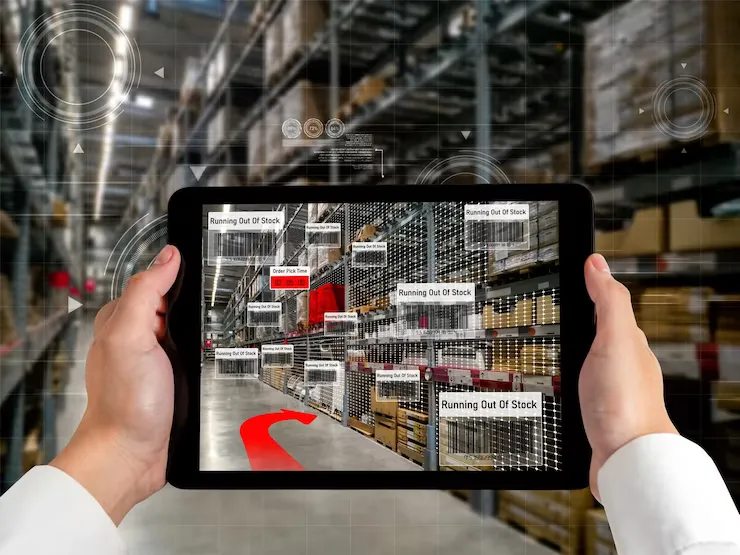
Inventory Whiz Kid: Tired of stockouts or warehouses overflowing with the wrong stuff? Scanflow is your inventory whisperer, telling you exactly what you have and where it is. No more surprises, just perfect stock control!

Scratches and Fades Don’t Win: Even beat-up numbers and faded codes are no match for Scanflow. It’s like a code-cracking ninja, reading even the toughest markings. No more lost information, just complete data capture!

Work Anytime, Anywhere: Stuck in a field with no computer? No worries! Scanflow works on your phone, tablet, or even a fancy wrist gadget. Work wherever, whenever, and keep your data flowing freely.

Categories

How VIN Scanners Can Improve Efficiency in the Automotive Industry

Imagine a world where cracked VINs get scanned in a flash, paperwork melts away, and your dealership runs on autopilot. That’s the magic of Scanflow, the AI-powered sidekick that transforms your messy Vehicle Identification Number handling into a streamlined symphony. Ditch the typos, the delays, and the headaches. Scanflow’s smart scanners read even the most stubborn VINs, zap the data straight into your systems, and let you focus on what you do best: keeping customers happy and wheels turning. It’s like giving your dealership a superpower – the power of effortless VIN accuracy and efficiency. So, are you ready to say goodbye to manual error and hello to a smoother, smarter future with Scanflow.

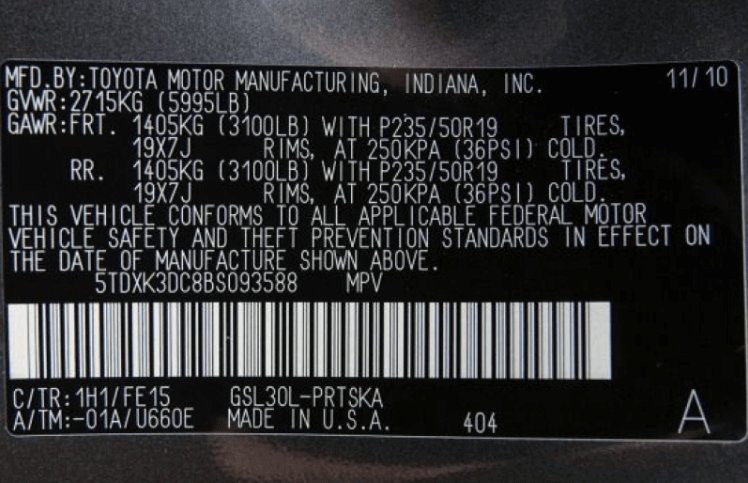
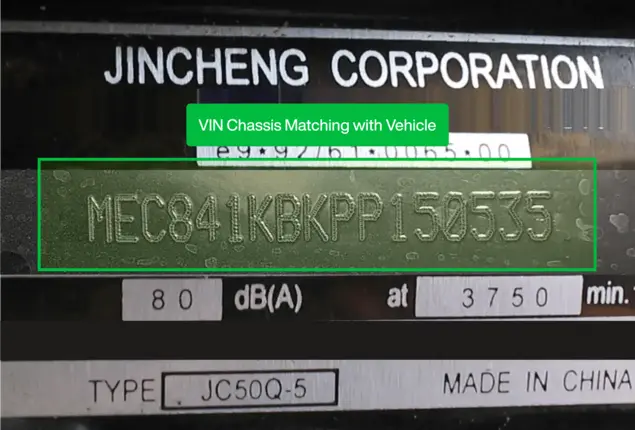
The vehicle VIN, a unique 17-character code, is like a secret key. It tells the whole story of the car, from where it came to who owns it now. But handling this code the old way, with pen and paper, can be a real mess.

Imagine a busy vehicle dealership, where workers scribble VINs on forms, their fingers hovering over keyboards, eyes squinting at faded numbers on sun-baked dashboards. It’s a recipe for mistakes! One tiny typo can mix up the whole car’s identity, leading to lost vehicles and angry customers.

These errors aren’t just annoying, they can be costly. A wrong number can mess up car counts, delay repairs, and even avoid warranties. And the worst part? It opens the door for fraud!

So, what’s the fix? Ditch the pen and paper and let machines do the work! Automated VIN scanners powered by AI can capture the code instantly and accurately, without any typos or squinting. This is the future of VIN handling, where mistakes are a thing of the past. The days of VIN-caused chaos are over, thanks to the magic of automation!

Say goodbye to the days of squinting at blurry VINs and battling typos! Scanflow unveils a revolutionary approach to VIN handling, powered by cutting-edge technology and AI smarts. Here’s how it redefines the game:

1. Seamless Capture: No more struggling with damaged or obscured VINs. Scanflow’s advanced scanners boast lightning-fast reading, even on scratched, faded, or partially covered codes. Whether it’s baked under the hood or hiding in a dark corner, Scanflow captures it all, instantly and accurately.

2. Data Integration: Forget the manual data entry dance. Scanflow seamlessly integrates with your existing dealership workflows. The captured VIN data is instantly zapped into your systems, automatically updating records, creating service orders, and streamlining every step of the process. No more double-entry purgatory, just smooth, real-time data flow.

3. Automated Tasks: Ditch the paper forms and repetitive keystrokes. Scanflow automates tedious tasks like VIN verification and data entry. This frees up your staff to focus on what truly matters: delivering exceptional customer service, attending to repairs, and ensuring smooth operations. Every minute saved is a minute earned for your dealership’s success.

Scanflow isn’t just about speed and accuracy; it’s about empowering your dealership to operate at peak efficiency. By eliminating manual errors, streamlining workflows, and freeing up valuable time, Scanflow unlocks a world of possibilities. Imagine a dealership where VINs are a breeze, paperwork melts away, and your staff can focus on what they do best – making your customers happy and keeping your business thriving. That’s the power of Scanflow, the AI-powered solution that transforms VIN handling from a chore to a seamless superpower.

Categories

Scanflow: The All-in-One Data Capture Solution for E-commerce Businesses

Are you a leader in the world of online retail, facing a surge in orders? Does the burden of fulfillment errors feel like an anchor dragging down your business? You’re not alone in this struggle. Amidst the frenzy of online sales, dealing with manual data entry can be compared to navigating through a hidden reef, full of typos, missed items, and dissatisfied customers. Each mistake translates into wasted time, lost revenue, and an overall sense of sinking morale. Now, envision a different scenario – guiding your business away from these treacherous waters. Envision a streamlined process where orders smoothly flow, are accurately recorded and processed with the efficiency of a dolphin. This is the promise offered by Scanflow’s data capture solutions – serving as your compass for a successful journey in the world of e-commerce.

 
Imagine you’re a retail operation manager in a bustling store, processing orders faster than a barcode scanner can beep. But instead of smoothly managing the flow of products with practiced efficiency, you find yourself meticulously hand-checking and recording every item, painstakingly jotting down each order on bits of paper. That’s the frustration of manual data entry in eCommerce. With every click and keystroke, the potential for errors looms large. A missed digit in a product code, a typo in a customer’s address – any small mistake can throw your inventory into disarray and leave your customers fuming. Hours are swallowed up deciphering messy handwriting, emails stack up as customers inquire about missing orders, and your profits take a hit. It’s enough to make even the most motivated retail operation manager dream of trading their computer for a clipboard and finding solace in a quiet corner.

 
Instead of battling the manual data entry monster, you have a trusty sidekick in your corner. A sleek, tech-powered hero named Scanflow, ready to zap away errors and streamline your operations like a superhero landing a perfect three-point shot.

Scanflow isn’t just a tool; it’s a revolution. Imagine saying goodbye to the days of extended over shoulders and tired eyes narrowing at screens. With Scanflow’s barcode scanners and ID scanners, data capture becomes a lightning-fast, error-free process. Every item, every order, every customer detail gets effortlessly whisked into your system, leaving you free to focus on what truly matters: running a thriving business.

But Scanflow is more than just speed. It’s a precision machine, eliminating mistakes before they have a chance to wreak havoc. No more typos, no more missed items, no more in a panic search for misplaced orders. Scanflow analyses and verifies data with laser-like accuracy, ensuring your inventory is always on point and your customers are always satisfied.

Smart Data Capture Solutions for eCommerce Industries

 
1. Lightning-Fast Scanning: Ditch the keyboard and embrace the power of lightning-fast scanning. Scanflow’s barcode and ID scanners capture data with the speed of a cheetah, eliminating oversights and human error. Imagine orders zipping through your system without any manual input – a dream come true for any time-pressed entrepreneur!

2. Error-Free Accuracy: Bid farewell to the frustration of misplaced orders and inventory inequality. Scanflow’s data capture technology is like a hawk-eyed eagle, verifying information with pinpoint accuracy. Every item, every code, every detail is captured flawlessly, ensuring your inventory is always on point and your customers are never left disappointed.

3. Seamless Integration: No more duct-taped software solutions or uncomfortable workarounds. Scanflow’s software suite seamlessly integrates with your existing systems, transforming your data into actionable insights. Track inventory in real-time, identify sales trends, and optimize your operations for maximum efficiency. Think of it as a smooth data highway connecting all your systems for a without impact ride.

4. Scalable Solutions: Whether you’re a small startup taking your first steps or a seasoned e-commerce pro, Scanflow has a solution that scales with your growth. Its flexible platform adapts to your unique needs, ensuring you’re always equipped to handle whatever the online world throws your way. Think of it as a magic growth potion for your business!

5. Dedicated Support: You’re not alone in this data capture revolution. Scanflow’s dedicated support team is always by your side, offering expert guidance and troubleshooting any bumps along the road. Think of them as your friendly data-capturing superheroes, always ready to lend a helping hand.

Categories

Component Number Scanning: The Missing Piece in Your Manufacturing Puzzle

 
Picture a world where production lines run smoothly, and inventory effortlessly communicates its levels as needed. Errors are like distant memories of a time long past. This optimistic vision isn’t just wishful thinking; it’s a tangible reality achievable with Scanflow’s groundbreaking Component Number Scanning feature.

For a long time, businesses have struggled with the challenges of manual data entry, a multi-headed problem filled with mistakes, inefficiencies, and an overwhelming amount of wasted time. Scanflow steps into the scene as a digital hero, brandishing its advanced scanner to combat these issues.

The magic happens when Scanflow transforms traditional paper trails into digital streams. This not only eliminates the need for tedious manual data entry but also infuses your operations with the superpowers of precision and efficiency. The newfound agility goes beyond mere data capture; it creates a seamless web of traceability. This web allows you to track each component’s journey from its creation to its final destination, ensuring flawless assembly and a finished product that deserves a round of applause.

In essence, Scanflow’s Component Number Scanning isn’t just a tool; it’s a gateway to a future where productivity soars, and inventory management becomes a melody of perfect harmony. Say goodbye to errors and welcome a streamlined, error-free era where productivity takes center stage.

 
Scanflow’s Component Number Scanning ditches the clunky pen and paper for a futuristic dance of smart devices. Picture this: a technician whips out their smartphone, scans a stencil number with a tap, and bam! The component’s identity is instantly beamed into your digital ecosystem. But Scanflow isn’t picky; it devours handwritten codes, serial numbers, even barcodes, on a smorgasbord of devices like smartphones, tablets, and even wearables, ensuring no data crumb goes unnoticed. This digital feast fuels a real-time inventory symphony, where every component sings its location and history, making your operations flow like a well-oiled machine.

 
Increased efficiency and productivity:

  • Eliminate manual data entry and reduce errors.
  • Save time and labour costs.

Enhanced traceability:

  • Trace components throughout the production cycle.
  • Facilitate recalls and optimize quality control.

Optimized inventory management:

  • Real-time inventory visibility.
  • Prevent stockouts and overstocking.

Reduced quality issues:

  • Verify component numbers early to catch errors.
  • Reduce rework and waste.

  • Manufacturing
  • Logistics
  • Field service
  • Retail
  • Healthcare
Categories

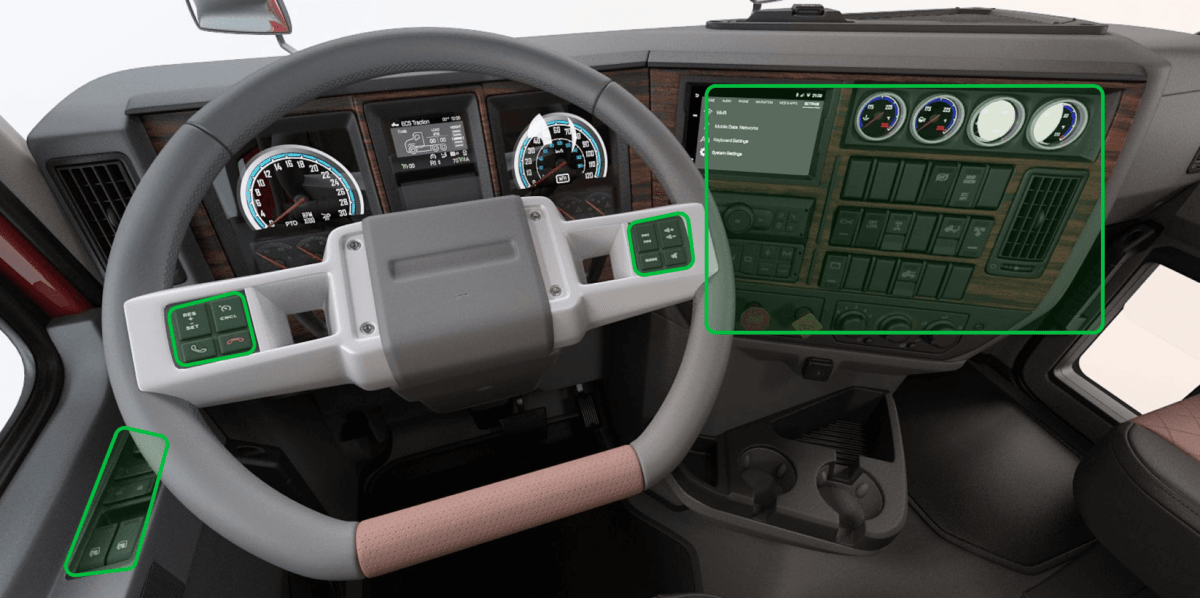
Transforming Production: How AI Eliminated Defects in Vehicle Cockpits

In the fast-paced world of manufacturing, achieving flawless production is a constant challenge. Every component matter, and even minor inconsistencies can lead to costly delays, recalls, and reputational damage. The manufacturer, precisely facing this issue, sought a revolutionary solution to ensure the highest quality standards in their intricate assembly lines.

 
The manufacturer relied on traditional manual inspection methods. This process involved human inspectors meticulously checking each individual component, switch, and button across multiple units. However, this approach suffered from several shortcomings:

  • Human error: Fatigue, individual variation, and human oversight could lead to inconsistencies and missed defects.
  • Time-consuming: Manual inspection added significant time to the production line, impacting efficiency and throughput.
  • Limited scalability: As product complexity increased with more components and variations, the manual process became cumbersome and unsustainable.

 
In a stroke of innovation, the manufacturer partnered with a tech company to develop an AI-powered switch inspection system. This cutting-edge solution leveraged:

  • Sharp Vision: A trained AI model accurately identified truck models and individual switches based on scanned build cards and cockpit layouts.
  • Eagle-Eyed Inspection: The model scanned each switch within designated grids, comparing them to its database of “correct” configurations.
  • Instant Red Flags: Any deviation from the expected setup was instantly flagged, enabling immediate corrective action before defective vehicles entered production.
  • Enhanced accuracy: Eliminate human error and ensure consistent, objective quality control.
  • Increased efficiency: Automate time-consuming inspections and significantly reduce production line bottlenecks.
  • Boosted scalability: Easily adapt to different models and component variations, future-proofing quality control.
  • Cost reduction: Minimize defect rates and recalls, lowering overall production costs.

Scanflow - AI Scanner Team