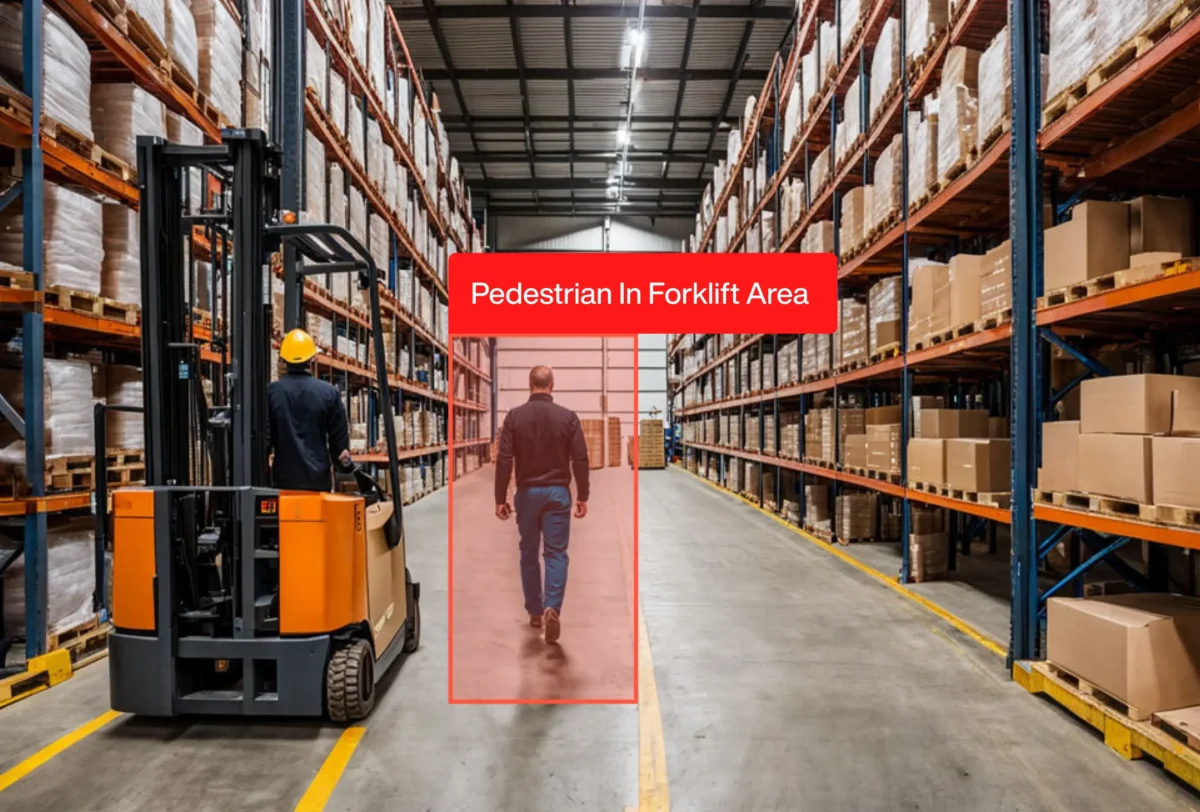
Transforming Warehouse Safety: Scanflow AI and Smart Cameras for Accident Prevention

Warehouse operations are a ballet of constant movement. Forklifts zip between towering shelves, while workers navigate the maze of picking and packing. This essential dance can turn disastrous when forklift and pedestrian paths collide. Traditional methods of monitoring this activity are riddled with limitations. Manual safety checks are time-consuming and prone to human error.

Scanflow AI offers the perfect solution using AI-powered video analytics to transform warehouse safety.

In a warehouse, forklifts and pedestrians share the same space, often leading to dangerous interactions. The primary risks include:

  • Collisions: Forklifts moving at high speeds can collide with pedestrians, leading to serious injuries or fatalities.
  • Blind Spots: Operators may have limited visibility, especially in narrow aisles or when carrying large loads.
  • Distractions: Both forklift operators and pedestrians can become distracted, increasing the likelihood of accidents.
  • Non-compliance: Employees not adhering to safety protocols or pathways can inadvertently place themselves in harm’s way.

Scanflow leverages the power of artificial intelligence to continuously monitor and analyze warehouse environments. Here’s how it works:

  • Real-time Monitoring: AI-powered video cameras are strategically placed throughout the warehouse to provide comprehensive coverage. These cameras capture high-resolution footage in real-time, feeding it to the AI system for analysis.
  • Behavior Analysis: The AI system employs advanced machine learning algorithms to recognize patterns and behaviors of both forklifts and pedestrians. It can detect abnormal movements, such as a forklift operating too quickly or a pedestrian veering into a restricted area.
  • Risk Detection: By continuously analyzing the footage, the AI can identify potential collision courses, blind spots, and instances where safety protocols are not being followed. For example, if a forklift is approaching an intersection where a pedestrian is present, the AI can predict the likelihood of a collision.
  • Alert Mechanism: Once a risk is detected, the system can trigger immediate alerts. These alerts can be visual (flashing lights), auditory (alarms), or even direct notifications to the operators and pedestrians through wearable devices.

Scanflow harnesses the power of AI and smart cameras to create a data-driven approach to warehouse safety and efficiency. Here are some of the key advantages:

  • 24/7 Monitoring: Unlike human guards, AI works tirelessly, providing constant vigilance.
  • Data-Driven Insights: Scanflow provides historical data to identify recurring safety issues and areas for improvement.
  • Reduced Costs: By preventing accidents and optimizing workflows, Scanflow AI can lead to significant cost savings.

In an era where technology is rapidly advancing, leveraging AI to enhance warehouse safety is not just a luxury but a necessity. Scanflow’s AI solutions offer a comprehensive approach to identifying and mitigating the risks associated with forklift and pedestrian interactions. By implementing these advanced technologies, warehouses can create a safer, more efficient environment for everyone.

As the technology continues to evolve, we can expect even more innovative solutions to emerge, further safeguarding our workplaces. For now, Scanflow’s AI stands at the forefront of this crucial evolution in warehouse safety.
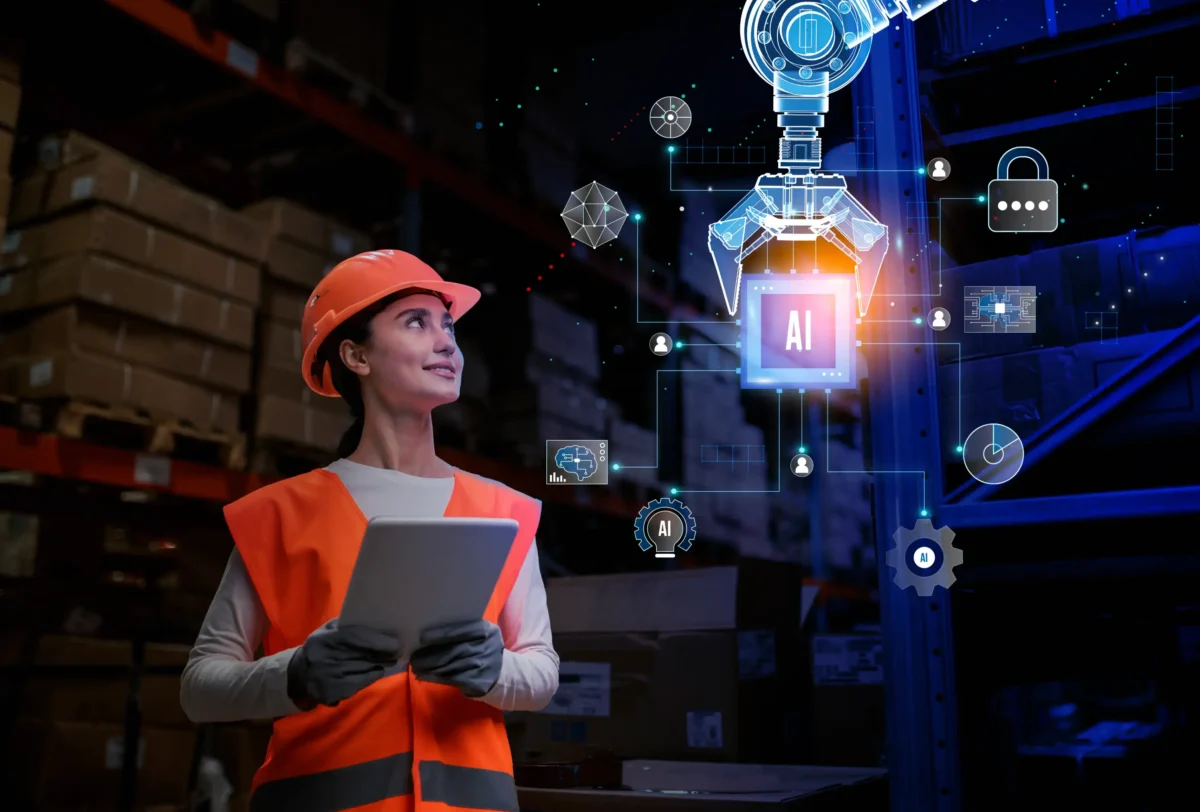

From Chaos to Control: Optimizing Warehouse Operations with AI

Running a large warehouse is a logistical nightmare. Staff and forklifts constantly crisscross the facility, making it difficult to track activity efficiently and ensure everyone’s safety. Traditional methods of monitoring this movement rely heavily on manual processes, which are:

  • Time-Consuming: Manually tracking staff time, identifying safety hazards, and ensuring proper PPE usage eats into valuable hours that could be better spent elsewhere.
  • Prone to Error: Human error is inevitable, leading to inaccurate data and potentially missed safety violations.

These inefficiencies create a domino effect, impacting everything from workflow optimization to accident prevention.

There’s a better way! Scanflow offers an innovative solution using AI-powered video analytics to streamline warehouse operations and enhance safety. By leveraging your existing CCTV footage, Scanflow’s intelligent models can automatically analyze activities and provide valuable insights:

  • Barcode Scanning: Say goodbye to manual data entry and hello to automatic barcode scanning! Even when scanned by handheld devices, Scanflow can detect and potentially decode barcodes from pallet SSCC labels, eliminating errors and saving time.
  • Time Tracking: No more manual time sheets. Staff and forklift movements can be tracked using object recognition, allowing for accurate estimation of time spent in specific warehouse locations. This data can be used for optimizing workflow and resource allocation, ensuring everyone is utilized efficiently.
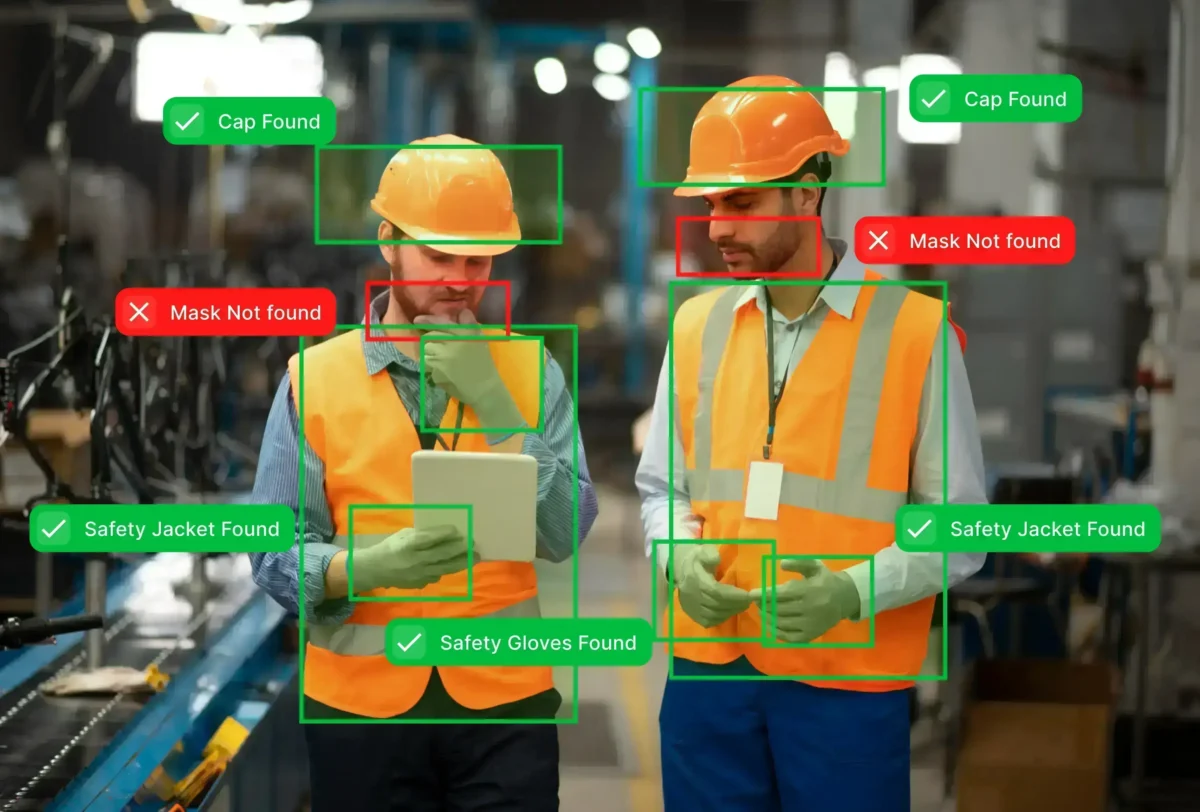
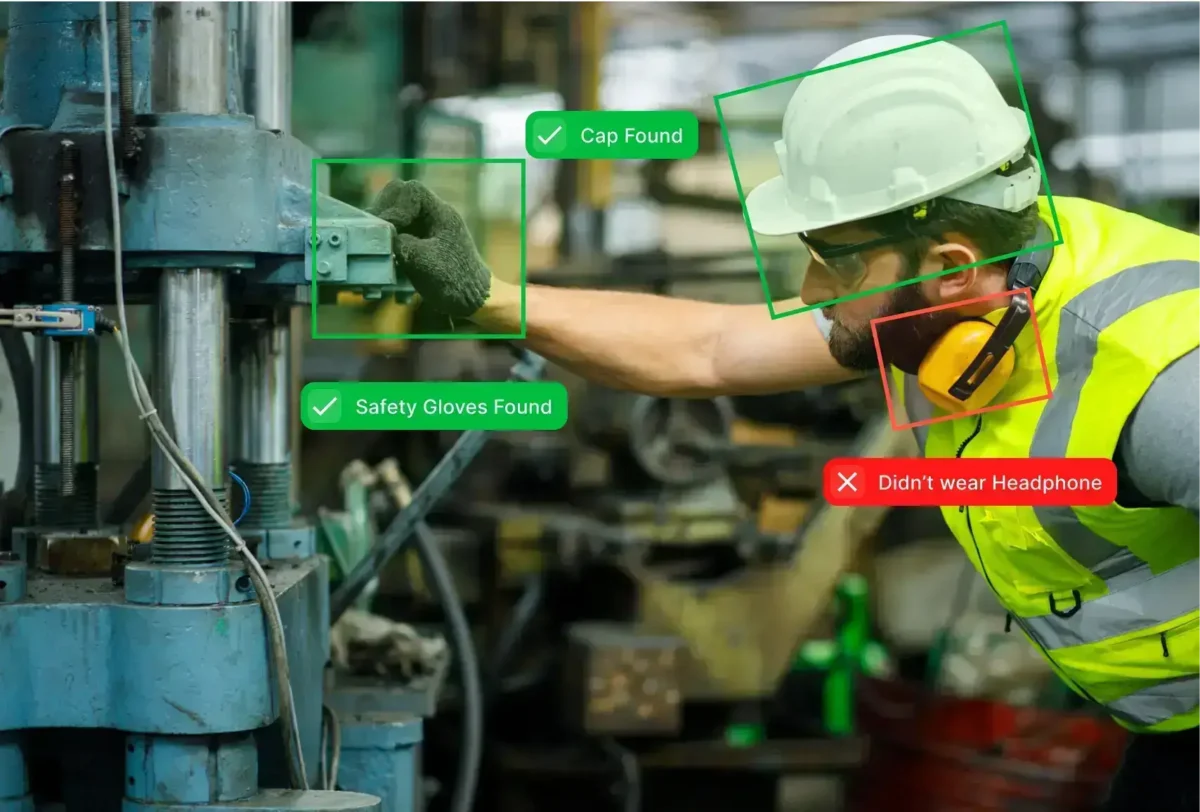
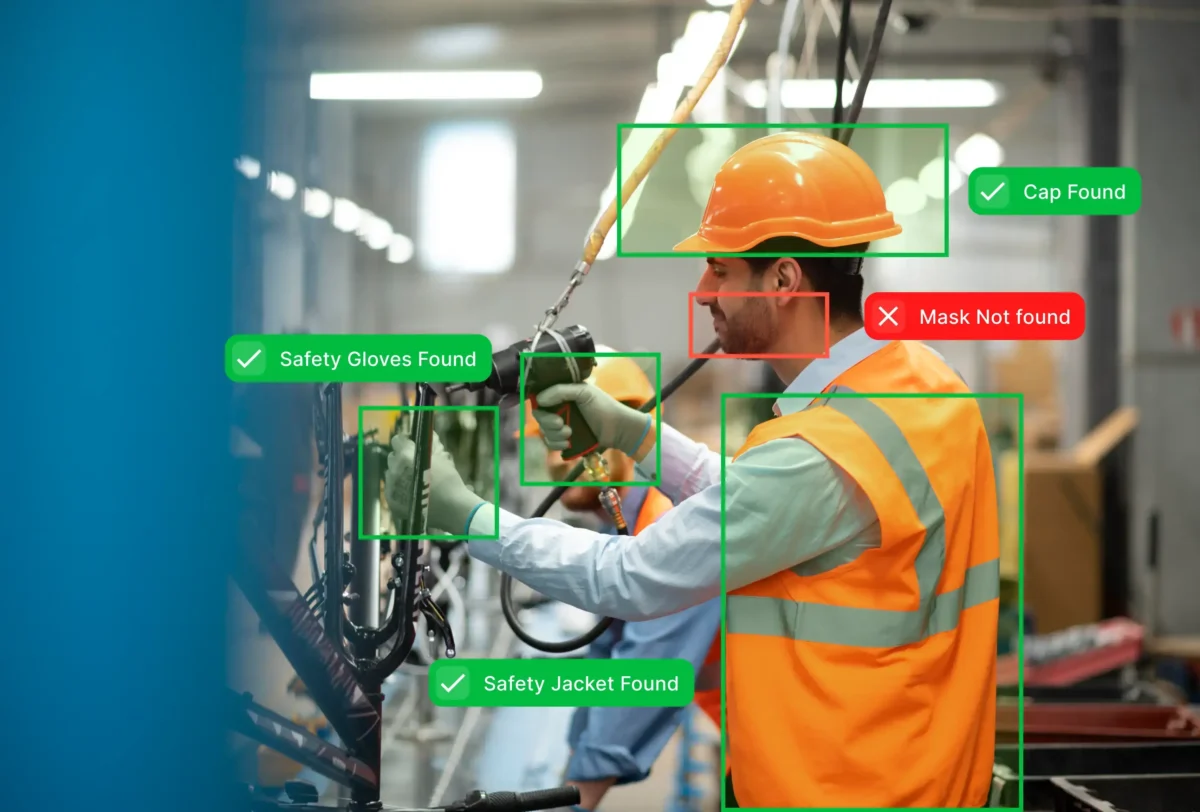
  • PPE Detection: Safety first! Scanflow’s AI models can be trained to identify staff wearing PPE within the footage. This helps ensure compliance with safety regulations and highlights areas where improvements might be needed. Proactive identification of PPE violations allows for immediate corrective action.
  • Safety Monitoring: Prevent accidents before they happen. By identifying both forklifts and designated pedestrian areas, Scanflow can flag potential safety hazards where forklifts enter pedestrian zones. This proactive approach helps create a safer work environment for all staff.

AI Visual Inspection Solutions

Scanflow’s video analytics solution offers a multitude of benefits for warehouse operations:

  • Increased Efficiency: Automating tasks like barcode scanning and time tracking frees up valuable staff time, allowing them to focus on more critical activities like order fulfillment and customer service.
  • Improved Accuracy: AI-powered analysis eliminates manual data entry errors and provides reliable information for optimizing operations. You can make data-driven decisions with confidence.
  • Enhanced Safety: Real-time monitoring of PPE usage and forklift movement helps create a safer work environment for staff. By proactively identifying potential hazards, you can prevent accidents and injuries.
  • Data-Driven Decisions: The insights gained from Scanflow’s analytics can be used to make informed decisions related to staffing, resource allocation, and safety protocols. Optimize your warehouse for maximum efficiency and safety.

Don’t let manual processes hold your warehouse back. Embrace the future with Scanflow’s AI-powered solution and experience the benefits of a streamlined, efficient, and safe operation.

Building a Wall of Safety: How Visual Inspection with Scanflow Protects Your Cement Industry Workforce

The cement industry is the backbone of infrastructure development. But behind the strength of concrete lies a constant battle for worker safety. Cement production facilities are inherently hazardous, with risks like dust inhalation, machinery accidents, and exposure to extreme temperatures. In this environment, Personal Protective Equipment (PPE) becomes a life-saving line of defense.

Here’s the challenge: Maintaining consistent PPE usage by workers remains a major hurdle. Traditional methods like manual inspections are time-consuming, susceptible to inaccuracy, and can disrupt workflow.

This is where Scanflow’s visual inspection solution steps in, leveraging the power of AI for a smarter approach to safety.

  • Real-time monitoring: Scanflow utilizes smart cameras strategically placed throughout the factory. These cameras continuously monitor work zones, ensuring workers are properly equipped with the necessary PPE.
  • AI-powered PPE detection: The magic lies in Scanflow’s advanced AI. The system can automatically identify workers and recognize if they’re wearing the correct PPE for the designated area. This includes essentials like hard hats, safety glasses, respirators, and work boots.
  • Immediate alerts and prompts: If a worker is missing a crucial piece of equipment, Scanflow triggers real-time alerts. This can be a visual notification displayed on a nearby screen or an audio announcement reminding the worker to put on the missing PPE before proceeding.

The benefits of Scanflow extend far beyond ensuring compliance with safety regulations. Here’s how it fosters a proactive safety culture:

  • Reduced human error: Manual inspections can be subjective and susceptible to fatigue. Scanflow eliminates human error, providing consistent and accurate monitoring 24/7.
  • Empowering workers: Real-time feedback from Scanflow empowers workers to take ownership of their safety. Gentle reminders can prevent accidents before they happen.
  • Data-driven insights: Scanflow provides valuable data on PPE usage patterns. This allows safety managers to identify areas where improvement is needed and tailor training programs accordingly.
  • Improved incident investigation: In the unfortunate event of an accident, Scanflow’s recorded footage provides valuable evidence for investigation. This can help identify root causes and prevent similar incidents in the future.

The partnership between cement factories and Scanflow represents a significant step forward in industrial safety. By integrating cutting-edge technology with traditional safety practices, these industries can achieve a safer, more efficient working environment. This collaboration highlights the importance of embracing innovation to tackle persistent safety challenges, ensuring that every worker returns home safely at the end of the day.

In conclusion, Scanflow’s visual inspection solution addresses the critical issue of PPE compliance in the cement industry. By providing real-time monitoring, reducing human error, and offering valuable data insights, Scanflow enhances workplace safety, protects workers’ health, and contributes to overall operational efficiency. The future of industrial safety lies in such innovative solutions, making our workplaces safer and more productive.

Transforming Quality Control: How AI-Powered Scanflow Elevates Conveyor Belt Inspections

In the fast-paced world of manufacturing, the conveyor belt is the production line’s heartbeat, carrying a relentless stream of vital parts. Ensuring each piece meets exact specifications can be challenging with traditional human visual inspection. Enter Scanflow, an AI-powered automated visual inspection system that addresses the limitations of manual inspection. By removing the human element, Scanflow delivers unmatched precision and efficiency, revolutionizing quality control in manufacturing. How exactly does Scanflow overcome the shortcomings of manual inspection, and how is AI transforming the manufacturing landscape?

While human inspectors bring dedication and experience to the table, traditional visual inspection has limitations that can hinder a manufacturing process:

  • Blink and You Miss It: The sheer speed of the conveyor belt makes catching every defect a challenge. A tiny dent on a bolt or a hairline crack on a gear shaft can vanish in a flash.
  • Fatigue Factor: Staring at a monotonous stream of parts for hours takes a toll. Even the most dedicated inspector can succumb to tiredness, potentially missing crucial flaws.
  • Inconsistent Scrutiny: Different inspectors have varying levels of experience and attention to detail. This subjectivity can lead to inconsistencies, with some defects slipping by unnoticed.

The result? Defective parts can sneak through undetected, potentially causing safety hazards or costly recalls down the line. Not exactly a recipe for smooth sailing!

Scanflow offers a cutting-edge solution: automated visual inspection with AI as its brain. Here’s how it tackles the limitations of human inspection:

  • Precise Vigilance: High-resolution cameras capture crystal-clear images of every part as it races down the conveyor belt. No nut, bolt, gear shaft, damper, or steering rod escapes scrutiny – it’s like having a hawk eye on every single component.
  • AI-Powered Precision: Advanced algorithms analyze the captured images, comparing them to a perfect image or predefined specifications. Imagine an army of tireless AI inspectors, working 24/7 with unwavering accuracy.
  • Real-Time Analysis: Scanflow doesn’t wait. The AI instantly identifies any anomalies, from the subtlest dent to the most concerning crack. There’s no room for human error or fatigue-induced mistakes.
  • Unwavering Accuracy: AI eliminates human error, guaranteeing consistent detection of even the most minor defects. Every single part is meticulously examined with machine-like precision.
  • Unmatched Efficiency: Automated inspection dramatically reduces inspection time, keeping your production line running smoothly without manual slowdowns.
  • Cost Savings: Catching defects early prevents them from reaching the final product, saving you time and money associated with recalls and rework.
  • Quality You Can Trust: Consistent and reliable defect detection leads to a higher standard of manufacturing, building trust with customers and ensuring their safety.

Instead of relying on inspectors with limitations, implement a more robust system. Scanflow’s automated visual inspection system with AI ensures every single part on your conveyor belt meets your exact specifications. Embrace precision, efficiency, and unwavering quality. Contact Scanflow today and take your manufacturing process to the next level!

Categories

Enhancing Quality Control in Manufacturing with Custom Object Detection Model

An “object detection model” is an advanced artificial intelligence model tailored for visual tasks such as image recognition, object detection, segmentation, and image generation. Object detection models utilize Vision Transformers and are trained on extensive datasets of images and videos to learn pattern recognition, object classification, and visual content generation. Vision Transformer architectures enable these models to generalize knowledge from vast training data effectively, resulting in superior performance in few-shot and zero-shot inference across various downstream tasks.

Custom object detection models are deep learning systems that excel in analyzing visual data with exceptional precision. Trained on extensive datasets, these models can identify patterns, detect anomalies, and recognize specific features within images. In QC, custom object detection models offer several key advantages:

  • Precision: They deliver higher accuracy than human inspectors by eliminating subjective biases and minimizing errors.
  • Speed: These models can analyze images in real-time, accelerating inspection processes.
  • Consistency: Custom object detection models provide uniform results, ensuring that quality standards are consistently met.
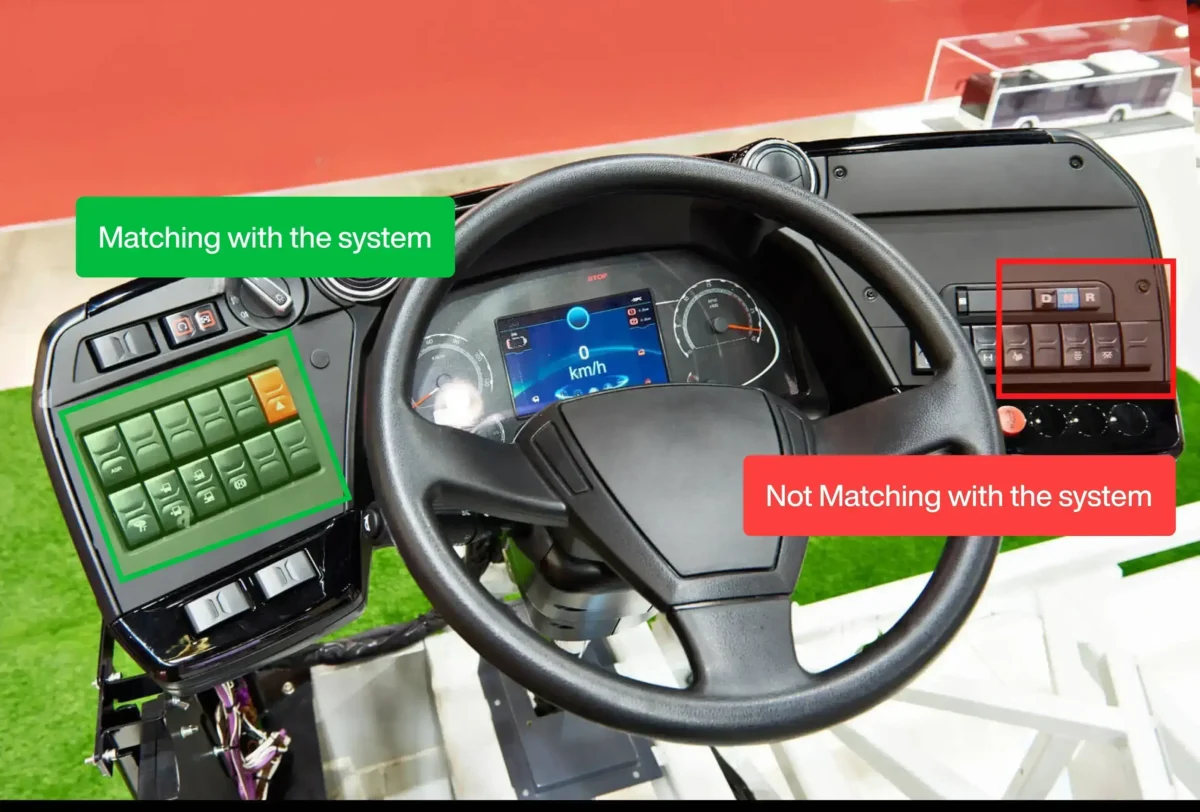
    • Model Structure: To tackle this problem, we developed a custom object detection model with 50k adjustable parameters. These parameters enable the model to learn the relationship between switch icons and the target classes in the training data. A model with more parameters can handle greater complexity and process more data. However, the increased number of parameters also makes the model more computationally intensive to train and deploy.
    • Training the Custom Object Detection Model:

Training a custom object detection model is more challenging than it seems, requiring substantial GPU power and intensive training with a large dataset. We used approximately 10k real-time images, capturing various switch dashboards from different trucks. This custom model is specifically trained for the inspection of switches and icons using a vast number of images and videos, making it a domain-specific model.

Our custom object detection model, designed for visual inspection and verification tasks, is created using a FastAPI web server and deployed on an Amazon EC2 t2.micro instance. This setup leverages the scalable and reliable infrastructure of EC2 to ensure real-time processing and analysis. The Fast API framework provides a high-performance web interface for interacting with the model, making it accessible and efficient for deployment in various industrial quality control applications.

When evaluating the performance of our custom object detection model against other object detection models, the results clearly demonstrate the superiority of our model in terms of accuracy and efficiency, particularly in the context of switch and icon verification on truck dashboards.

  • Accuracy and Efficiency Our custom object detection model achieves superior accuracy compared to traditional object detection models like SSD, and Faster R-CNN. It excels in real-time applications, ensuring rapid and precise switch and icon verification on truck dashboards without compromising speed.
  • Robustness Across Diverse Conditions  The custom model is designed to handle the varied and challenging conditions often encountered in real-world scenarios, such as different lighting and occlusions. Its domain-specific training enables it to maintain high performance and reliability, outperforming conventional models in robustness and adaptability.

We have established an extensive benchmark for this performance test, comparing our model with other leading models. As a result, we can now complete a full truck inspection within 5 minutes, compared to the previous 15 minutes. This improvement allows truck companies to inspect many trucks in significantly less time, without any drop in accuracy or performance.

AI Visual Inspection Solutions

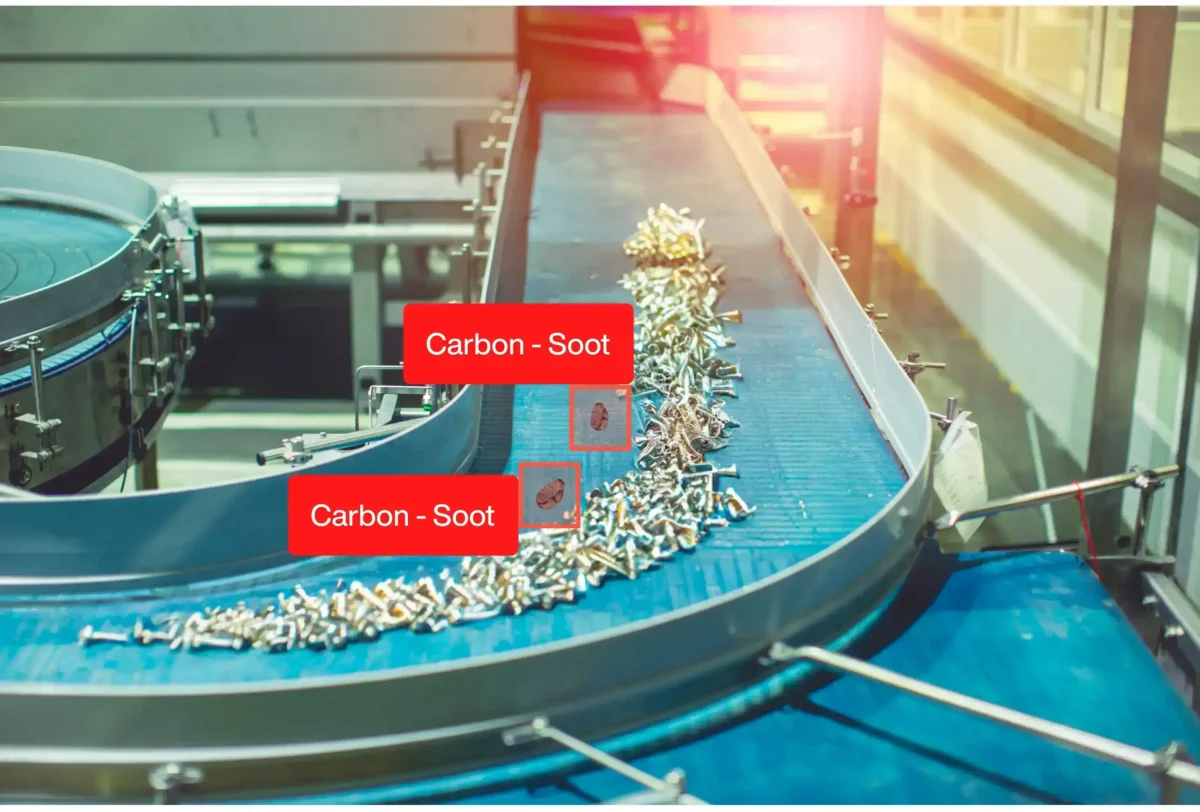
Custom object detection models represent a significant advancement in quality control for industrial manufacturing. By harnessing the power of AI and machine learning, these models offer unmatched accuracy, speed, and consistency in defect detection and anomaly identification. The applications in verifying switch uniformity in trucks and detecting carbon soot on conveyor belts highlight the transformative potential of these models. As these technologies advance, their integration into QC processes will lead to higher product quality, increased efficiency, and enhanced operational reliability.

Keeping it in Gear: Multiple Avenues for Damper Serial Code Verification in Automotive Manufacturing

The automotive industry’s relentless pursuit of precision extends to every component, and dampers for gear shafts are no exception. These seemingly simple parts play a vital role in vibration control, safeguarding against premature wear and tear. Ensuring the accuracy of serial codes etched onto these dampers becomes paramount for various reasons.

Serial codes function as a unique identifier for each damper, providing crucial information on:

  • Origin and Material Composition: These details are essential for tracing parts back to specific production batches and identifying the materials used in their construction.
  • Performance Specifications: Serial codes can link to performance data, allowing manufacturers to predict a damper’s behavior and ensure it meets specific vibration control requirements.
  • Counterfeit Prevention:Unique codes make it significantly harder for counterfeit parts to infiltrate the supply chain, safeguarding vehicle safety and performance.

Traditionally, visual inspection by human workers was the norm for verifying serial codes on dampers. However, this approach comes with inherent limitations:

  • Subjectivity and Fatigue: Inspectors are susceptible to fatigue and errors in judgment, potentially overlooking inconsistencies or mistakes.
  • Speed Constraints: Manual inspection slows down production, impacting overall line efficiency.
  • Lighting Dependence: Variations in lighting conditions can hinder accurate code reading, leading to inconsistencies.
  • Machine Learning Magic: AI algorithms trained on vast datasets of code formats and variations can identify characters with exceptional accuracy, surpassing human capabilities.
  • Unwavering Attention: Unlike humans, AI systems are immune to fatigue and maintain consistent performance throughout production cycles.
  • Speed Demon: AI-powered systems can process codes at lightning speed, significantly accelerating inspection times and allowing for faster production runs.

Here’s how AI visual inspection would work on automotive manufacturer producing thousands of dampers daily.

  • Image Capture: A high-resolution camera captures a clear image of the damper’s serial code
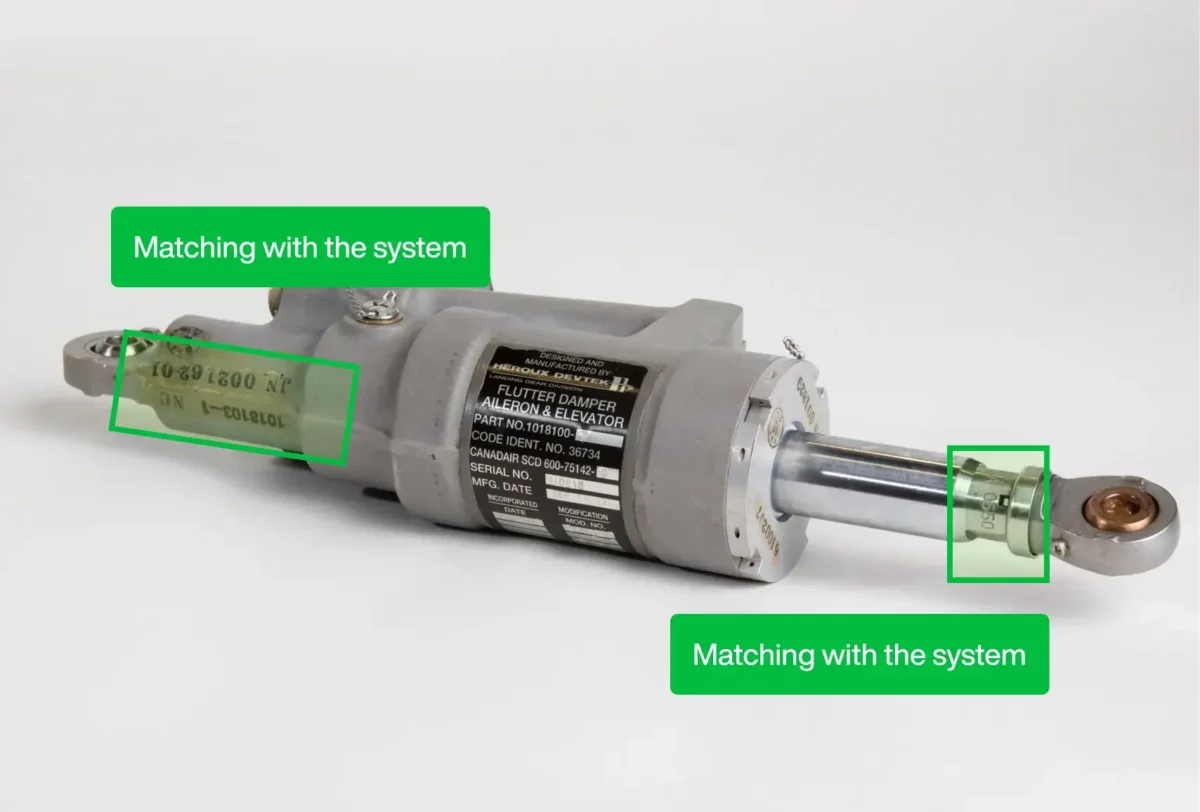
  • AI Analysis: The AI system instantly analyzes the image, recognizing the code and comparing it against a database of authorized formats.
  • Defect Detection: If any discrepancies are found (e.g., missing characters, blurry text), the system flags the damper for further inspection.
  • Data Collection: All inspection data is logged, enabling continuous improvement and proactive maintenance.

This automated system ensures consistent and reliable verification, freeing up human inspectors for more complex tasks. It also helps maintain production speed, minimizes errors, and ultimately, contributes to safer and more reliable vehicles.

AI Visual Inspection Solutions

  • Enhanced Quality Control: AI’s precision minimizes the of errors to 52%, leading to a higher quality output and a safer driving experience for consumers.
  • Increased Efficiency: Faster inspection times translate to greater production throughput and cost savings.
  • Improved Traceability: Accurate code verification facilitates better tracking and faster response times in case of product recalls.
Categories

Eagle Eyes on the Assembly Line: How AI Visual Inspection is Revolutionizing Car Inspection

The automobile industry relies on meticulous quality control to ensure the safety and performance of every vehicle rolling off the production line. Traditionally, visual inspections played a crucial role in this process. However, human inspectors are susceptible to fatigue, inconsistencies, and limitations in spotting subtle defects. This can lead to two major problems:

  • Missed Defects: Critical flaws might go unnoticed, potentially compromising car safety.
  • False Positives: Non-existent issues trigger unnecessary line stoppages and re-inspections, impacting production efficiency.

This is where Artificial Intelligence (AI) comes to the rescue. AI-powered visual inspection systems are transforming car manufacturing by:

  • Enhancing Inspection Accuracy: Deep learning algorithms trained on vast datasets of images can identify defects with superhuman precision. This reduces the chances of missed flaws and ensures consistent quality.
  • Minimizing False Positives: AI systems can differentiate between genuine defects and harmless variations, significantly lowering false positive rates. This keeps production lines running smoothly and reduces costs associated with unnecessary re-inspections.

Let’s consider a specific example: switch inspection. Car dashboards contain numerous switches that control various functions. Traditionally, inspectors would visually check each switch for proper alignment, label clarity, and any physical damage.

AI Visual Inspection Solutions

AI-powered visual inspection systems can take this process to the next level. Cameras can capture high-resolution images of all switches. AI algorithms then analyze these images, identifying any misalignments, blurry or incorrect labels, or signs of wear and tear. This not only improves the accuracy of inspection but also frees up human inspectors to focus on complex tasks requiring their judgment and expertise.

AI-powered visual inspection is just the beginning. As AI technology continues to evolve, we can expect even more sophisticated systems that can:

  • Predict Potential Issues: By analyzing historical data and identifying patterns, AI can predict when components are likely to fail, enabling proactive maintenance and preventing breakdowns.
  • Self-Learning and Adaptation: AI systems can continuously learn and improve their defect detection capabilities over time, adapting to new manufacturing processes and materials.

Overall, AI-powered visual inspection represents a significant leap forward in car manufacturing. By increasing inspection accuracy and reducing false positives, it paves the way for higher quality, safer vehicles, and improved production efficiency. This technology is sure to play a vital role in the future of the automobile industry.

Categories

Zero Accidents, Zero Compromises: The Impact of AI on Workplace Safety in the Cement Industry

The cement industry is a vital sector, providing the essential building blocks for infrastructure and construction projects around the world. However, this industry also presents inherent safety challenges. Workers face risks from exposure to dust, hazardous materials, and working at heights. Ensuring worker safety is paramount, not just for the well-being of employees but also for operational efficiency and regulatory compliance.

Previously, the leading cement manufacturer relied on manual methods to monitor worker safety. Safety personnel conducted routine patrols, manually checking for PPE compliance and adherence to safe work practices. This approach had limitations:

  • Limited Coverage: It was impossible to monitor every location in the vast plant simultaneously, leaving areas vulnerable.
  • Human Error: Visual inspections are susceptible to fatigue and oversight, potentially missing critical violations.
  • Reactive Approach: Incidents might occur before safety personnel could intervene, leading to potential injuries and downtime.

These limitations created a constant concern for worker safety and the potential for costly accidents. The company leadership recognized the need for a more robust and proactive safety solution.

AI Visual Inspection Solutions

The company partnered with us to implement a cutting-edge Safety Violation Detection System. This system leverages artificial intelligence (AI) and computer vision technology to achieve real-time, comprehensive safety monitoring. Here’s a deeper dive into the system’s functionalities:

  • Smart Cameras with Strategic Placement: Industrial-grade cameras were strategically positioned throughout the plant, covering high-risk areas like clinker kilns, conveyor belts, and loading zones. These cameras provide high-definition video feeds for real-time analysis.
  • AI-Powered Object Detection and Recognition: Advanced AI algorithms analyze the video feeds, identifying workers and the specific PPE gear they are wearing. The system can distinguish between different types of PPE, ensuring workers are equipped for the specific task at hand.
  • Real-Time Alerts and Notifications: The system generates instant alerts for any detected safety violations. These alerts, categorized by severity, are displayed on a central dashboard accessible to safety managers and supervisors. Additionally, email, text, or WhatsApp notifications can be sent to relevant personnel for immediate intervention.

We built Scanflow keeping in mind the diverse needs of various industries. The system can be customized to address specific safety concerns within the plant. In this case, the solution focused on three critical use cases:

  • PPE Detection: As mentioned earlier, the system verifies PPE compliance in designated zones. It can even detect if a worker has forgotten a specific item, like safety glasses, prompting them to rectify the situation before continuing their task.
  • Hot Material Handling: In areas with extreme temperatures and molten materials, the system ensures workers wear aluminized suits and maintain a safe distance. Heat signatures and proximity to danger zones are analyzed to identify potential hazards.
  • Working at Height: Cameras monitor workers at elevated locations, automatically detecting the presence and proper use of fall protection equipment like harnesses and lanyards. This real-time monitoring minimizes the risk of falls from heights, a leading cause of injuries in construction and industrial settings.

The implementation of the AI-powered Safety Violation Detection System has yielded significant positive outcomes:

  • Reduced Safety Incidents: Real-time monitoring and immediate alerts have demonstrably reduced the number of safety incidents within the plant. Early detection and intervention have prevented accidents before they could occur.
  • Enhanced Safety Culture: The system fosters a culture of safety awareness among workers. Real-time monitoring serves as a constant reminder of the importance of adhering to safety protocols.
  • Data-Driven Decision Making: The system generates valuable data on safety trends and potential hazards. This data allows safety managers to identify areas for improvement, optimize safety protocols, and allocate resources effectively.
  • Increased Operational Efficiency: By automating safety monitoring, the system frees up valuable security personnel resources. This allows them to focus on more strategic tasks like safety training and incident investigations.

The success story of this leading cement manufacturer serves as a compelling example for the entire industry. By embracing AI-powered safety solutions, companies can create safer work environments, reduce operational costs, and gain valuable insights for continuous improvement. As technology continues to evolve, AI-powered systems will play an increasingly important role in safeguarding workers and ensuring a more secure future for the cement industry.

Categories

Scanflow Drives Gear Shaft Quality Up a Notch for Leading Automotive Manufacturer

A major automotive component supplier faced a critical challenge in maintaining consistent quality for their gear shafts. Their existing inspection process relied heavily on manual visual checks, which were prone to human error and inconsistencies. This resulted in occasional defective parts slipping through, leading to costly rework and potential safety concerns downstream.

Scanflow proposed a solution that combined AI based automation with human expertise. Our Industrial Safety with Visual Inspection system leveraged computer vision (CV) technology to perform real-time quality control (QC) at the edge. This solution comprised two key elements:

  • Hardware Installation: Scanflow installed high-resolution industrial cameras strategically positioned to capture clear images of the gear shafts at various stages of production. Additionally, we equipped the system with powerful GPUs (Graphics Processing Units) housed within a robust edge computing platform. Processing power at the edge ensured fast, reliable analysis without relying on a centralized serve.
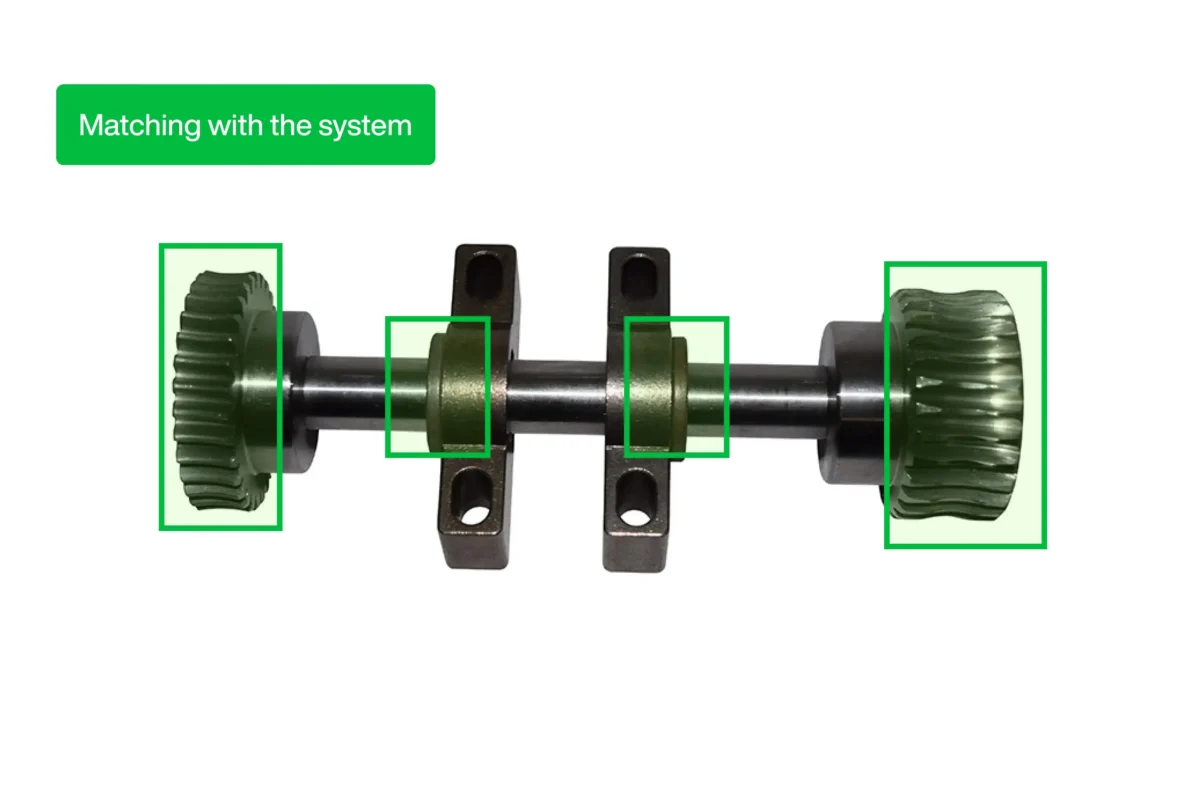
  • CV-based Defect Detection: Our proprietary software development kit (SDK) was integrated into the system. This intelligent software utilized object detection algorithms to automatically identify and locate key features on the gear shafts, such as serial numbers and critical components like rubber dampers.

The implementation of Scanflow’s Industrial Safety with Visual Inspection system yielded significant improvements:

  • Enhanced Quality Control: The Scanflow-powered system offered unparalleled accuracy in detecting even the most minor defects in the gear shafts. This resulted in a 98% reduction in defective parts passing through the inspection stage.
  • Improved Efficiency: Automation of the inspection process significantly reduced the reliance on manual labor. This translated to a 25% increase in production throughput.
  • Cost Savings: By minimizing defects and rework, the company experienced a 20% reduction in overall production costs associated with poor quality.
  • Data-Driven Insights: The system generated valuable data on defect types and their frequency. This data empowered them to identify trends and proactively address potential quality issues upstream in the production process.

AI Visual Inspection Solutions

Scanflow’s innovative approach to industrial safety with visual inspection proved to be a game-changer for the factories of tomorrow. By combining automation with human expertise, the solution ensured consistent gear shaft quality, improved production efficiency, and reduced costs. This exemplifies Scanflow’s commitment to empowering manufacturers with cutting-edge technology to achieve operational excellence.

Categories

Cutting inspection times by 30% with Scanflow.ai

A leading manufacturer of commercial vehicles faced inefficiencies in its assembly lines due to manual inspection methods and quality control processes. These inefficiencies led to delays, defects, and threats to product quality and brand integrity. The manufacturer implemented a solution, improving efficiency and quality.

  • VIN Scanning: Manual entry of VIN numbers often led to data inaccuracies and affected traceability, slowing down production and overall productivity.
  • Quality Control: Traditional inspection methods introduced human subjectivity, resulting in inconsistencies and overlooking hidden flaws, risking product quality.
  • Automated VIN Handling: Labor-intensive manual handling impacted efficiency and productivity, while errors in data capture disrupted seamless workflow integration and diminished accuracy.
  • Switch Inspection: Reliance on human input led to errors, affecting quality control. Manual inspection processes were time-consuming and costly, impacting efficiency and production timelines.

These challenges underscored the need for the company to address operational inefficiencies and maintain its competitive edge.

Scanflow’s suite of solutions brings significant benefits by optimizing various aspects of production and quality control.
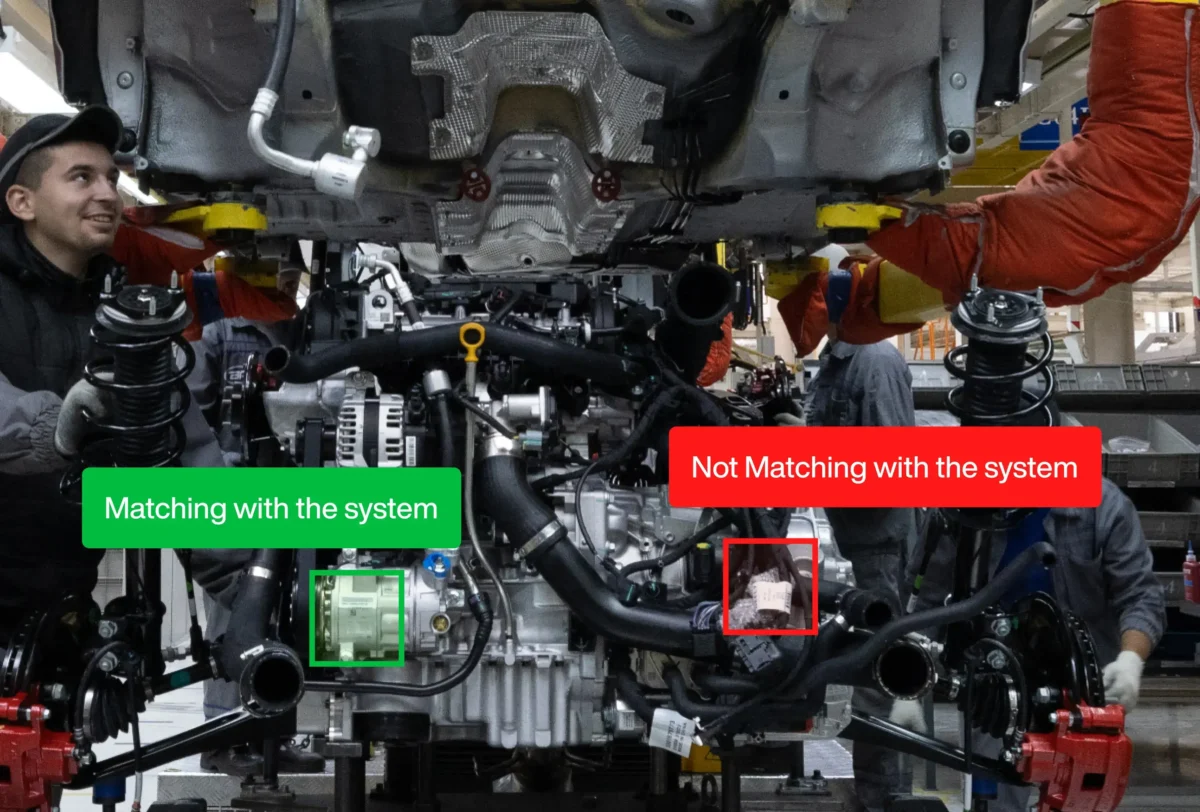
Smart VIN Scanning enables direct scanning of VIN numbers from vehicles, reducing manual entry and ensuring high accuracy, which enhances quality control, traceability, and security. AI-powered vision systems offer precise quality control, real-time insights, and instant verification, detecting hidden flaws and automating repetitive tasks for improved efficiency and ROI. Automated VIN handling eliminates errors associated with manual entry, streamlining data capture and integration, while Component Number Scanning revolutionizes manual data entry with instant, accurate scanning, boosting inventory management and ensuring data accuracy. Additionally, the AI-powered Switch inspection system ensures flawless production by instantly identifying deviations, reducing defect rates and costs.

Scanflow.ai leverages advanced AI and machine learning to automate data extraction and document processing for the manufacturing industry, streamlining tasks such as analyzing purchase orders, invoices, and quality control reports for boosted efficiency and accuracy.

  • Enhanced Accuracy: Automated optical inspection systems on assembly lines reduced human error, ensuring consistent, high-quality products and fewer defects in production.
  • Improved Efficiency: Automated inspections cut inspection times by 30%, and maintain faster production cycles to consistently meet delivery deadlines.
  • Scalability: Advanced inspection technology enabled the company to adapt quality control processes to different vehicle models and component variations, accommodating market demand and new product lines.
  • Cost Reduction: Minimizing defects and reducing rework or recalls saved production costs and warranty claims, freeing up resources for further investment in innovation.
  • Enhanced Reputation: Consistent high-quality products and fewer defects improved customer satisfaction and trust, strengthening the reputation for quality and competitive edge in the market.

AI Visual Inspection Solutions

The company grappled with inefficiencies in its production lines caused by manual quality control. These inefficiencies led to delays, defects, and compromised product quality. The company implemented advanced AI-powered automation solutions, eliminating the need for manual inspection and seamlessly integrating automated systems. This transformation resulted in significant benefits, including reduced production costs, minimized defect rates, and a decrease in rework needs.

The manufacturer’s commitment to precision and efficiency has solidified its reputation for producing high-quality commercial vehicles. This focus on innovation empowers the company to effectively meet market demands and customer expectations. With the adoption of AI technology, the manufacturer is positioned for sustainable growth and continued industry leadership. By embracing these advanced tools, they pave the way for further success and advancements in manufacturing technology.